
Honey Spas 2026: Traditions, Taboos, and Superstitions
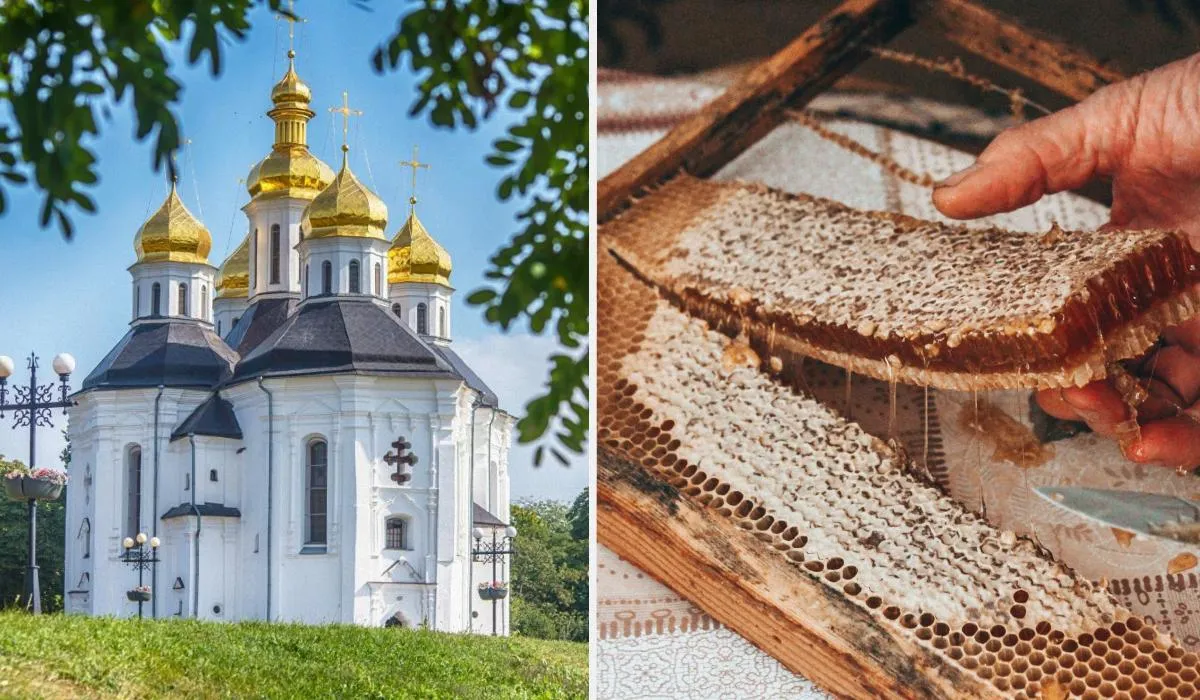
On August 1, according to the new church calendar, Orthodox Christians celebrate Honey Savior Day, or the Feast of the Exaltation of the Precious Cross of the Lord. On this same day, the Dormition Fast begins, and the faithful bring honey, water, poppy seeds, and fragrant herbs to churches for blessing.
On Saturday, August 1, Orthodox Christians, following the new church calendar, celebrate Honey Spas, or the Exaltation of the Precious Cross of the Lord. This is one of the first major August feasts, marking the beginning of the cycle of the Three Saviors.
Also on this day, the Dormition Fast begins, which will last until the Feast of the Dormition of the Most Holy Mother of God.
What church holiday is celebrated on August 1?
The Feast of the Exaltation of the Precious Cross of the Lord dates back to the 8th–9th centuries in Byzantium.
According to church tradition, a severe epidemic broke out in Constantinople. To support the people, the clergy carried a fragment of the Cross on which Jesus Christ was crucified, processed through the city with it, and blessed the water sources. It is believed that after this, many of the sick recovered. This holiday was established precisely to commemorate that event.
Over time, the tradition spread far beyond the borders of Byzantium and became part of the Orthodox church tradition.
Why Is the Holiday Called Honey Savior?
Among the people, this day is better known as Honey Savior. It is in early August that beekeepers harvest the first honey of the new season, which is traditionally brought to the church for blessing. Another folk name is “Spas on the Water” or “Wet Spas,” since a small blessing of water is also performed in churches on this day.
In addition, on August 1, the Church commemorates the Holy Martyrs of the Maccabees, which is why the holiday is also called Makoviy.
What holiday is observed according to the old calendar?
According to the Julian calendar, this day commemorates the Venerable Macrina of Cappadocia.
What is traditionally done on Honey Spas
On this day, believers attend church services and bring the following to the church:
- honey;
- water;
- poppy seeds;
- medicinal herbs;
- the first fruits of the new harvest.
After the blessing, these items are taken home. According to tradition, before the meal, people give thanks to God for the harvest and taste a spoonful of the blessed honey. One of the most famous traditions is the blessing of the “makovychik”—a small bouquet of poppy seed pods and wildflowers. It is kept near icons or at the entrance to the home as a symbol of God’s protection and well-being.
Since the Dormition Fast begins on this day, only vegetarian dishes are served. Housewives prepare baked goods with honey and poppy seeds—gingerbread, pies, buns, and other treats. According to folk tradition, some of the treats should be given to relatives, neighbors, or those in need. It is believed that good deeds done on this day will be repaid a hundredfold.
What Not to Do on August 1
The Church urges people to spend this day in peace, prayer, and good deeds. According to folk tradition, on Honey Spas, one should not:
- argue, insult others, or swear;
- refuse to help those who ask for it;
- be envious or wish ill upon anyone;
- overeat, since the Dormition Fast is already underway on this day;
- neglect prayer and spiritual matters.
A particularly widespread belief states: one must not refuse to offer help or hospitality, for any good deed done on this day will surely be repaid.
Folk Superstitions on Honey Spas
Our ancestors closely observed nature. It was believed that:
- if the day is sunny, autumn will be warm;
- rain on Honey Spas promises a good mushroom harvest;
- if bees are actively collecting nectar, autumn will be long;
- a strong wind foretells an early cold snap.
Who Celebrates Their Name Day
On August 1, people with names listed in the church calendar for this day celebrate their name day. Before choosing a name or a greeting, it’s worth checking the current Orthodox calendar.
Honey Spas is traditionally considered a holiday of gratitude for the first fruits of summer, the beginning of the Dormition Fast, and an opportunity to spend the day with loved ones, help those in need, and give thanks for all the good things in life.


