
Beekeepers have been required to update their information in the state registry by May 15
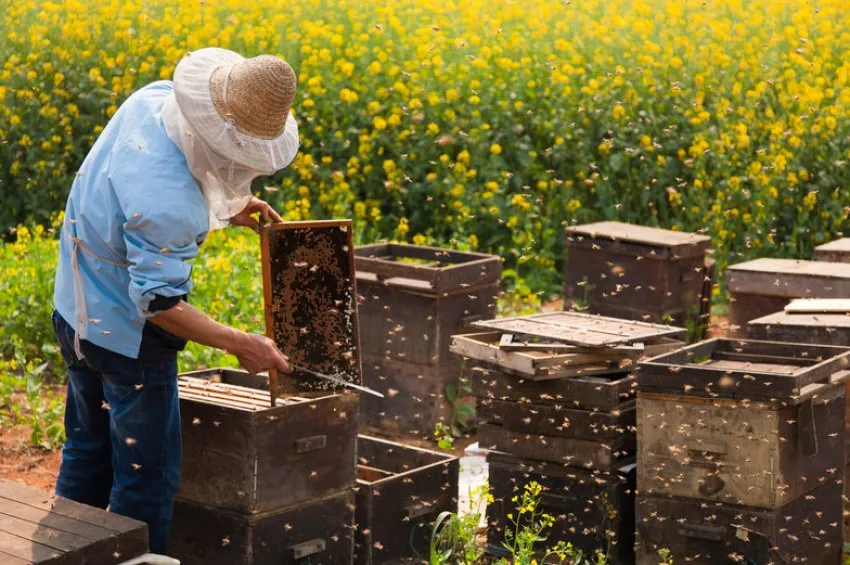
The annual spring inventory of apiaries and mandatory veterinary and sanitary inspection of bee colonies have begun in Ukraine.
This was reported by the State Service of Ukraine for Food Safety and Consumer Protection, emphasizing the need to update information in the event of changes in the number of bees, the location of the apiary, or the owner’s contact information. To update this information, beekeepers must submit the apiary’s registration certificate to the relevant regional office of the service.
Agency specialists inspect the condition of the bees and collect samples for laboratory testing, the results of which are recorded in an appendix to the passport. In areas where hostilities have taken place or temporary occupation has ended, such measures may be carried out throughout the year. Proper record-keeping allows for monitoring the epizootic situation and ensuring the safety of honey and other beekeeping products.
Keeping the registry up to date is critically important for a rapid response to bee diseases and for protecting the industry from negative factors. In addition to biological threats, the agricultural sector continues to face challenges caused by Russian aggression, which requires increased attention to food security. Owners are reminded that compliance with established deadlines is mandatory for the lawful operation of the farm.
A beekeeper in Brussels told Alliance staff about the specifics of honey harvesting.
Scientists from the University of Guelph (Canada) have discovered that queens of the common eastern bumblebee, widespread in eastern North America, are capable of surviving underwater for a week while in hibernation. This increases their chances of survival in the event of a flood.
