
A Mushroom Hunter's Lunar Calendar for July 2026
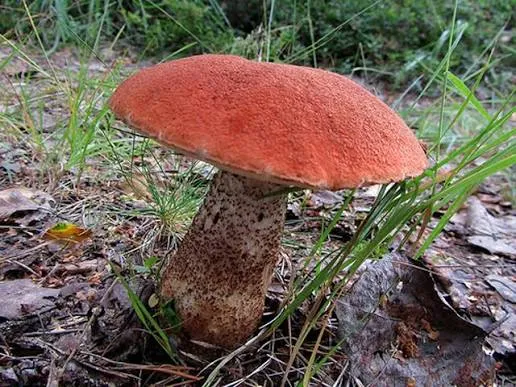
July is the time when summer rains, combined with warm nights, turn the forests into a veritable treasure trove for mushroom hunters. It is during this month that the most prized forest treasures begin to appear in abundance: white mushrooms, honey mushrooms, birch mushrooms, and bright chanterelles. To ensure your trip to the forest ends with a full basket, experienced mushroom hunters recommend timing your outings according to the phases of the moon, since mushroom growth is directly influenced by the moon’s cycles of moisture.
How the Moon Affects the Growth of Forest Mushrooms
Mushrooms are 90% water, so they are extremely sensitive to the Moon’s gravitational pull.
Waxing Moon (July 1–13, July 29–31): During this period, sap flow in the mycelium intensifies, metabolism accelerates, and the fruiting bodies begin to grow rapidly. Mushrooms grow right before your eyes; they are juicy and large, but often attract insects.
Waning Moon (July 15–27): Energy and moisture are concentrated in the underground part (mycelium). The mushrooms themselves grow a little more slowly, but they become denser, drier, and much less worm-eaten. This is the best time to harvest them for drying and pickling.
Mushroom Hunting Calendar for July
Best days for foraging (“silent hunting”): July 2, 3, 4, 11, 12, 16, 17, 21, 22, 30, and 31. On these dates, favorable lunar phases coincide with the Moon’s position in moist, fertile zodiac signs. The chances of finding clean, firm mushrooms on these days are highest.
Neutral days for trips to the forest: July 1, 5, 6, 7, 8, 9, 10, 13, 15, 18, 19, 20, 23, 24, 25, and 26. There will be mushrooms in the forest, but to fill your basket, you’ll have to walk quite a bit and carefully check your finds for worms.
Unfavorable days (the forest needs a rest): July 14 (Full Moon) and July 27, 28, 29 (New Moon). During the Full Moon, mushrooms are often overripe and watery, and during the New Moon, the growth of new mushrooms practically stops. It’s best to spend these days processing what you’ve already harvested or preparing your gear.
What to Look for in the July Forest: The Month’s Top Finds
The July selection is impressively diverse—if you know exactly where to look:
Porcini mushrooms (boletus): The kings of the forest are entering their second active fruiting wave. Look for them in oak, birch, and pine forests warmed by the sun, often in clearings and along forest edges.
Chanterelles: The most important July mushroom, growing in large clusters in coniferous and mixed forests. A huge advantage of chanterelles is that they’re almost never wormy, so picking them during the waning moon is a real pleasure.
Aspen and birch mushrooms: These bright, showy mushrooms appear in aspen groves, young birch forests, and near forest swamps. They grow very quickly, especially in the first few days after warm showers.
Milk caps and summer honey mushrooms: They fill the forest lowlands. Milk caps delight with their colorful caps on any type of soil, while honey mushrooms densely populate old stumps and fallen trees after prolonged rains.
Tips for Safe and Successful Foraging
The July heat requires mushroom hunters to be especially vigilant. At high temperatures, even edible mushrooms that are overripe quickly accumulate toxins and protein breakdown products. Pick only young, firm specimens that you are 100% sure of.
It’s best to head out at dawn, while the dew keeps the mushrooms fresh and the sun’s rays aren’t yet blinding. Try to carefully cut the mushroom with a knife or gently twist it out of the moss so as not to damage the mycelium, which will reward you with a new harvest during the next favorable lunar cycle.
This is reported by UA.News.


