
“I worked for $1,200 and thought it was just a minor offense”: What the defendants in the Biopatid counterfeiting scheme said in court
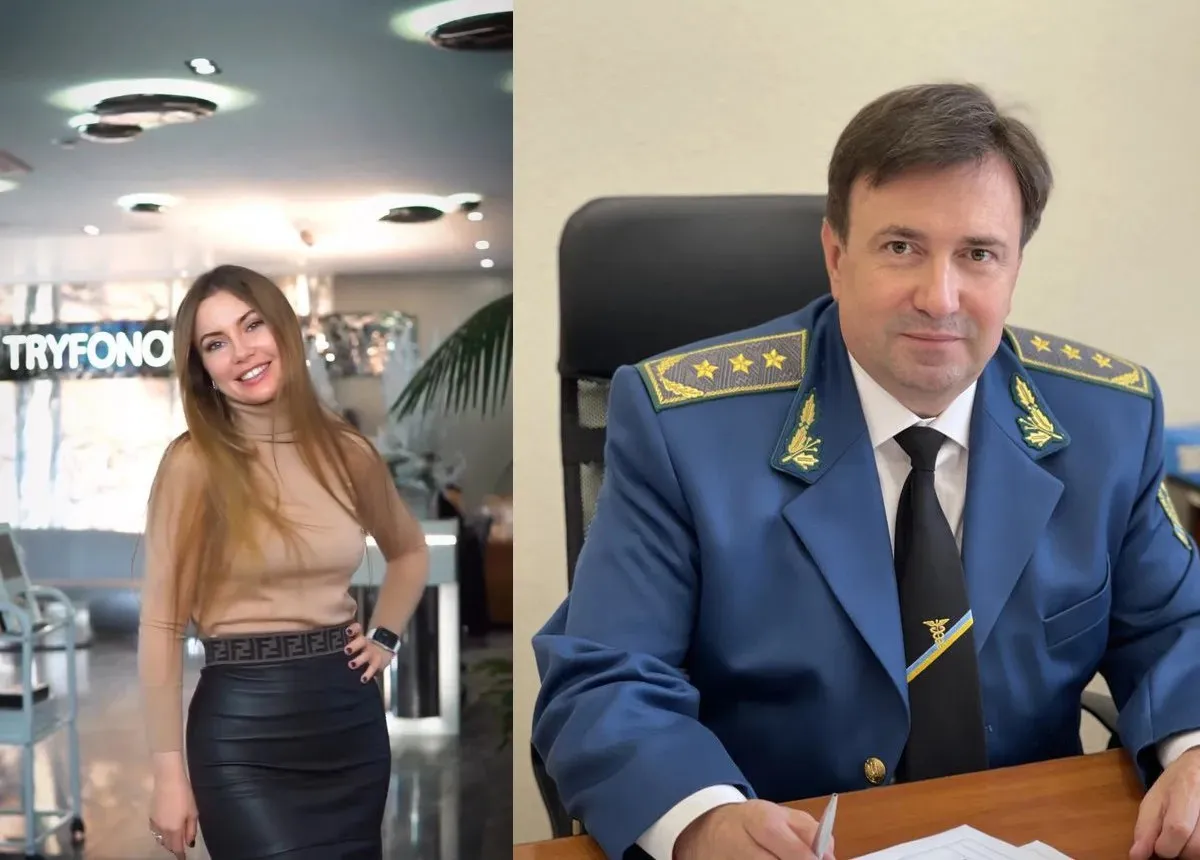
Biopatid was manufactured in Hlevas, near Kyiv; the packaging workers at the plant earned about $1,200 a month, while the organizers of the scheme to produce the miracle “weight-loss product” raked in up to 90 million hryvnias each month.
The investigation into the production and distribution of the product uncovered a full-fledged criminal pyramid scheme, ranging from couriers to the alleged ringleaders. However, the defendants in the case adopted opposing defense strategies in court: they claimed to have worked as “ordinary cosmetics packers,” while the organizer insisted that he was responsible only “for photos and marketing.”
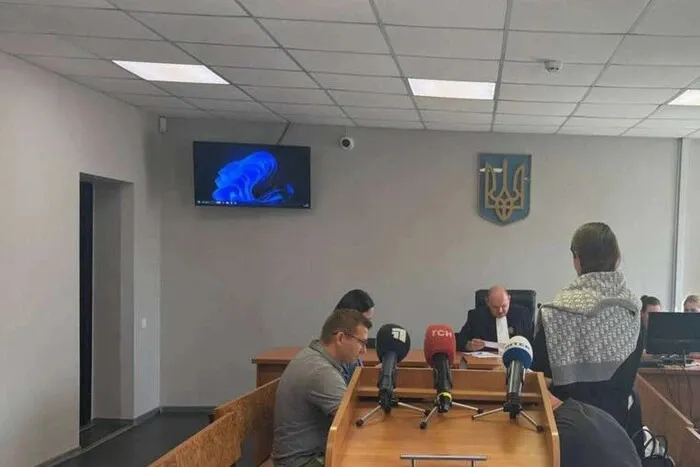
Court hearing in the Biopatid case
A court in Dnipro set bail in the millions for the defendants in the Biopatid case
The Central District Court of Dnipro granted the motion filed by prosecutors from the Dnipropetrovsk Regional Prosecutor’s Office and remanded the key defendants in the case involving the manufacture and mass distribution of counterfeit weight-loss drugs into custody. The total amount of alternative bail set by the investigating judge exceeded 146 million hryvnias.
The court set the highest bail amounts for the two main suspects in the case, presumably Anatoliy Cherkasky and Maria Trifonova. Prosecutors requested that a bail of 90 million hryvnias be set for Anatoliy Cherkaskiy, whom investigators consider to be the direct organizer and leader of the entire criminal group. The investigating judge remanded him in custody until November 10, 2026, with the alternative of posting 75 million hryvnias in bail. As for Maria Trifonova, who is listed in the case files as a sole proprietor and medical director of MEDHAUS LTD LLC and who is charged with organizing sales as part of the group, the court set bail at 68 million hryvnias, despite the prosecution’s request for 80 million hryvnias.
In justifying the bail amounts—which are dozens of times higher than the standard upper limit set by the Criminal Procedure Code of Ukraine for serious crimes—prosecutors and the court relied on the scale of the suspects’ illicit profits and their actual wealth. According to investigators’ estimates, the group’s systematic sale of injectable drugs disguised as cosmetics generated up to $2 million—or nearly 90 million hryvnias—per month for its members. In addition, during searches of the suspects’ premises, significant amounts of cash, luxury wristwatches, high-end cars, and documents for a large portfolio of real estate were seized. To substantiate these decisions, the investigating judge specifically cited a legal precedent—Decision No. 9-r(II)/2026 of the Constitutional Court of Ukraine dated July 21, 2026. According to this ruling, setting bail above the maximum limit is entirely lawful if the court analyzes the actual value of the suspect’s assets, potential income, and expenses, since the standard bail amount under the Code of Criminal Procedure would have no deterrent effect on individuals with such wealth.
“Just a photographer,” “those aren’t my cars,” and “just a packer”: how the suspects tried to justify themselves
During the court hearing, the defendants attempted to downplay their involvement in the illegal business as much as possible and shift the blame. Anatoliy Cherkasy, whom the prosecution considers the organizer and leader of the criminal group, tried to convince the investigating judge that he had absolutely nothing to do with the sale of the drugs, but was merely “involved in marketing and photography.”

Maria Trifonova
He also argued before the court that some of the luxury cars listed by the prosecutors no longer belonged to him, and that the bail amount set was unaffordable. Maria Trifonova claimed that she does not own a single car, and that some of the photos attached to the prosecutor’s motion have nothing to do with her. The suspect also stated that she attends various medical seminars and is often invited to speak about the latest medications and treatments.
The third person involved in the case—a detained courier and packer—claimed that she was merely a hired employee with a fixed salary of about $1,200 per month and sincerely believed that Biopatid was an ordinary cosmetic product; had no intention of counterfeiting medicines, and her duties were limited solely to packaging and shipping packages to customers.
Finally, the attorneys for all the suspects presented a joint legal argument: since the active ingredient tirzepatide is not officially registered in Ukraine as a medication, this allegedly makes it impossible to hold them liable under the article on the distribution of counterfeit drugs.
The Underground Facility in Hlevas and International Standards
It was during the court hearings that it became clear that the production facility was located in Hlevas, on Pidpryemnytska Street. It was there that the facility operated, where the unregistered injectable drug was packaged into vials, labeled with fictitious names, and marked with batch numbers, expiration dates, as well as QR codes and DataMatrix codes to give the products an “official” appearance. From there, the counterfeit Biopatid was shipped throughout the country via regular courier and postal services under the guise of cosmetics. During large-scale raids, law enforcement officials seized not only equipment and finished products but also “quality” documents that did not comply with any legal standards governing the circulation of medicines.
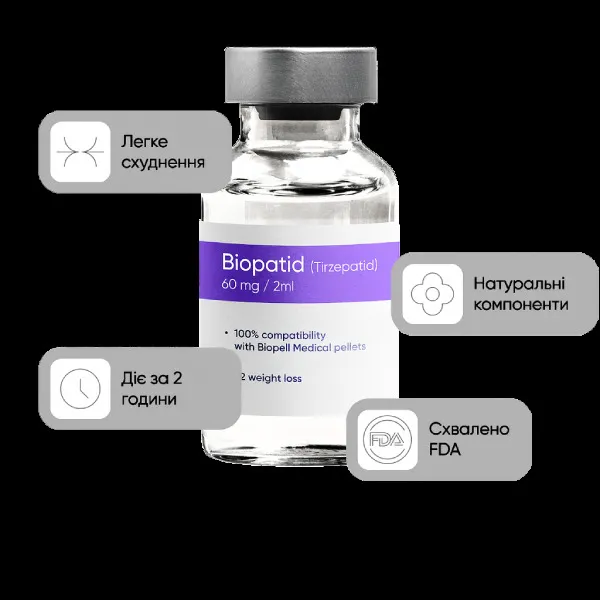
Biopatid (photo from the internet)
The investigating judge completely rejected the main line of defense—that the lack of state registration of tirzepatide in Ukraine allegedly exempts the defendants from liability for drug counterfeiting. In its rulings, the court relied on a clarification from the State Service of Ukraine on Medicines and Medical Devices dated January 16, 2026, which officially banned the sale and use of unregistered Biopatid as a counterfeit drug.
Additionally, the court applied the provisions of the Council of Europe’s Medicrime Convention, under which any substance or combination of substances intended for the treatment or modification of human physiological functions is considered a medicinal product, and its intentional manufacture with the intent to mislead the consumer regarding its origin constitutes a criminal offense. Thus, the attorneys’ attempts to portray the clandestine production of injections as a “regular cosmetic business” were rejected by the judges.


