
Secrets to Perfect Fermentation: The Distiller’s and Winemaker’s Lunar Calendar for July 2026
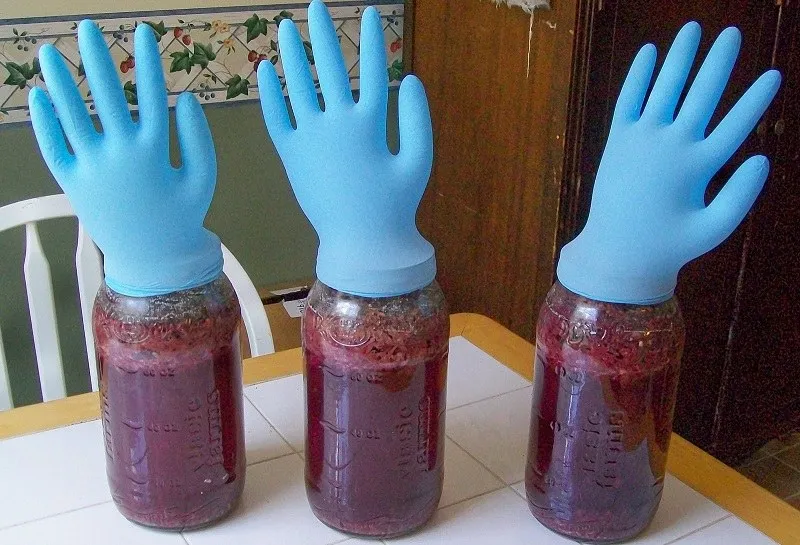
The processes of fermentation and distillation have long been associated with the lunar cycles. According to centuries of observations by master distillers, during the waxing moon, yeast is significantly more active, fermentation proceeds vigorously, and aromatic compounds are better extracted into the liquid. In contrast, during the waning moon, all processes slow down, but the liquid clarifies more quickly and thoroughly, and the sediment settles more densely. Taking these biorhythms into account allows you to obtain a pure product without an unpleasant odor or aftertaste.
Moonshining: Rules for Preparing the Mash and Distillation
To produce a high-quality homemade distillate, it’s important to separate the production stages. It’s best to start the mash during the Moon’s waxing phase and distill during the waning phase, when it’s easier to remove harmful impurities.
The best days for preparing the mash are July 2, 3, 4, 11, and 12. During this time, yeast cultures are working at full capacity, sugar is processed as efficiently as possible, and the risk of “souring” or the development of unwanted bitterness is minimized.
The ideal days for the first and second distillations are July 15, 16, 17, 21, and 22. During the waning moon, it is much easier to separate the “heads” and “tails”; fusel oils are better retained in the still, and the spirit itself turns out noticeably smoother, cleaner, and clearer.
For any routine tasks, such as cleaning equipment or preparing containers, the following neutral dates are ideal: July 5, 6, 7, 8, 9, 10, 18, 19, 20, 25, and 26.

Winemaking: From Harvesting the First Berries to Racking
July brings the first major harvest of cherries, currants, gooseberries, and gooseberry-like berries, which serve as the ideal base for light summer wines. Unlike spirits, wine requires extremely delicate handling to preserve its natural microflora.
The most effective days for harvesting berries and fruits for wine are July 1, 2, 3, 11, 12, 30, and 31. Fruits harvested during the waxing moon accumulate the maximum amount of natural sugars, and the wild yeasts on their skins are at their most active, ensuring a successful start to fermentation.
The initial stages of winemaking—which include crushing the berries and placing them directly under an airlock—are best scheduled for July 4, 5, 6, 11, or 12.
Racking the wine off the lees, filtering, and final bottling will yield the best results on July 16, 17, 21, 22, 25, and 26. As the Moon wanes, all the sediment rapidly settles to the bottom of the bottle. Performing these steps on these days ensures a crystal-clear beverage and completely eliminates the risk of accidental secondary fermentation in dry bottles.
Prohibited Period: When Alcoholic Fermentation Goes Awry
The lunar calendar has critical points when chemical and biological processes spiral out of control. On such days, the mash may suddenly “freeze” or turn to vinegar, and wine often becomes irreversibly cloudy.
The full moon on July 14 is considered a day of uncontrolled energy. Fermentation can become too vigorous, causing foam to “escape” from the bottle, and during brewing, there is an increased risk of boil-over and the mash spilling into the mash tun.
The new moon and the days surrounding it—specifically July 27, 28, and 29—are a time of minimal energy. Yeast literally goes dormant during this period, and bacterial activity ceases, leaving the wort vulnerable to mold. Any work involving alcohol during these three days usually ends in failure.
And most importantly, remember that excessive alcohol consumption is harmful to your health during any phase of the moon. Furthermore, the illegal production or storage of strong alcoholic beverages—even without the intent to sell—is punishable by an administrative fine.
UA.News reports on this.


