
Tanning Beds and Laser Hair Removal: When Can You Tan?
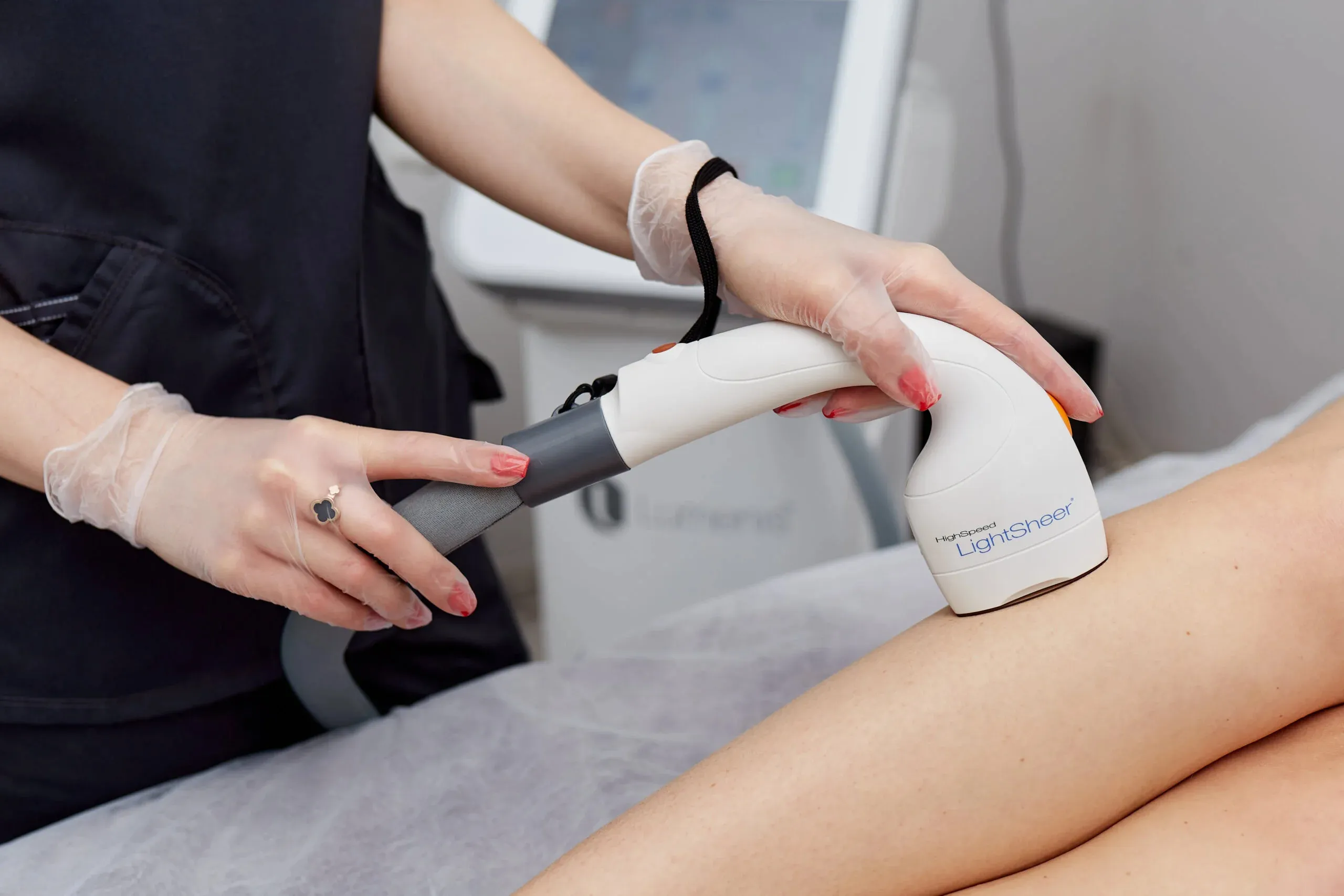
Tanning beds and laser hair removal require strict time limits, as both procedures affect melanin—the pigment that determines the effectiveness and safety of a laser session. Tanning increases the concentration of melanin in the epidermis, causing the laser to be partially absorbed by the skin rather than just the hair follicle. This increases the risk of burns, irritation, and hyperpigmentation, and reduces the effectiveness of the procedure. After laser hair removal, the skin temporarily becomes more sensitive to ultraviolet light, so even brief UV exposure can trigger unwanted reactions. In this article, we’ll discuss when it’s safe to tan before and after a session, how to properly combine tanning bed use with a laser hair removal course in Kyiv, and why Lumenis doctors recommend scheduling such procedures in advance.
Why Cosmetologists Prohibit Sunbathing Before Laser Treatment
After UV exposure, the skin enters an active defense mode: melanocytes work more intensively, and the tissue’s heat absorption changes. For a laser system, this means a loss of contrast between the hair follicle and the surrounding skin. As a result, part of the energy is absorbed by the epidermis rather than just the hair root.
During the post-treatment period, the skin has not yet fully recovered from thermal microinflammation, and additional UV exposure at this time can disrupt melanocyte function and cause uneven pigmentation.
The table below lists the restriction periods for the various stages of the treatment course.
Strictly adhering to the two-week “before” and “after” intervals allows you to separate the effects of these two powerful types of energy and give your skin time to regenerate.
IMPORTANT TO KNOW! Hypopigmentation (spots lighter than the surrounding skin) occurs when melanocyte activity is suppressed by excessive UV exposure after the procedure. This condition can persist much longer than hyperpigmentation and is more difficult to correct. Therefore, post-treatment restrictions serve as protection against irreversible changes.
What should you do if tanning is unavoidable during the treatment course?
Vacations, outdoor work, and an active summer—it’s not always possible to synchronize a laser hair removal course with a flawless sun protection regimen. That’s why the cosmetic doctors at the Lumenis Center have developed a clear timeline that all patients must follow:
- Your last tanning bed session or time spent in direct sunlight must be no later than 14 days before your appointment;
- After the procedure, avoid direct UV exposure for the next 14 days. This applies to both beach vacations and tanning bed sessions;
- the use of self-tanning creams is also prohibited for 2 weeks, as they alter the skin’s optical properties.
Clinical Guidelines:
- Apply SPF 50+ daily to the areas to be treated. This is a mandatory protective measure throughout the entire treatment course;
- protective clothing with long sleeves, sarongs, and hats for treatment areas not covered by sunscreen;
- adjustment of device settings—if the patient has a light tan, an experienced cosmetologist may reduce the fluence and add one additional session to the course instead of canceling it;
- Postponing a session—if your tan is pronounced, it’s safer to postpone the session for 2 weeks than to proceed with an increased risk of complications.
Planning is your best ally. Combining a vacation with smooth skin is entirely possible if you plan ahead and don’t neglect sunscreen.
EXPERT OPINION: Using sunscreen with SPF 50+ is essential even in the city if the treated area remains exposed. This applies to the face, hands, and feet during the summer. Reapply the product every 2 hours while outdoors.
How This Is Handled in Practice (the Lumenis Approach)
A 25-year-old woman who regularly used a tanning bed came to the Lumenis clinic network. She was planning a course of laser hair removal for her legs and bikini area. During the consultation, the dermatologist noted an even, light tan and postponed the first session by 3 weeks. After the appropriate waiting period, the course proceeded without complications, effectively and without hyperpigmentation. The patient received clear instructions to avoid tanning beds until the course was complete, which helped achieve excellent results.
Conclusion
Tanning beds and laser hair removal are compatible—but only with strict adherence to a 14-day safety interval before and after each session. By following the recommendations of the specialists at the “Lumenis” network, you can enjoy a tan without harming your health and without compromising the quality of your treatments.
FAQ
Can I use a tanning bed one week before laser hair removal?
No. The procedure will most likely be rescheduled due to the increased risk of burns.
What happens if I tan after a session?
Hyperpigmentation or irritation may occur in the treated area.
Does self-tanning affect laser hair removal?
Yes. You should also stop using it 2 weeks before your session.
When can I go back to the tanning bed after the treatment course?
No sooner than 4 weeks after your last session.
You can schedule a laser hair removal appointment with detailed recommendations regarding tanning beds at the Lumenis clinic network.


