$ 44.7 € 52.22 zł 12.11
+26° Kyiv +23° Warsaw +28° Washington

Celebrating a resignation amid the shelling of Kyiv: What is known about the VRP banquet
UA.NEWS 21 August 2026 18:31
Celebrating a resignation amid the shelling of Kyiv: What is known about the VRP banquet

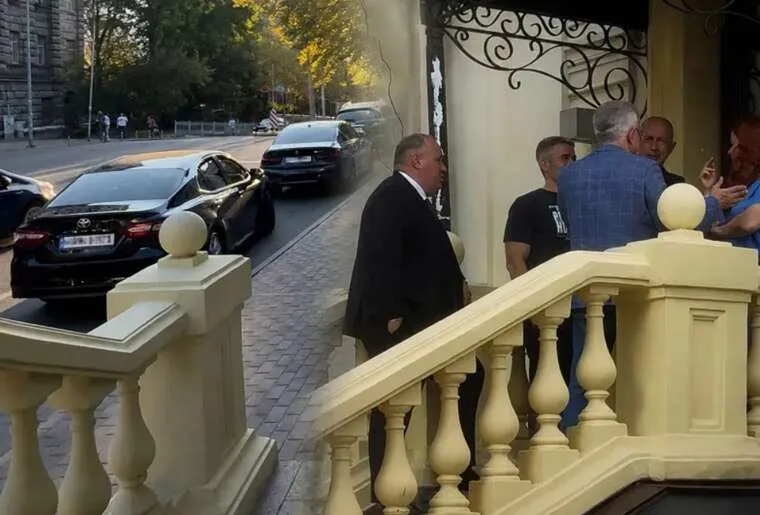
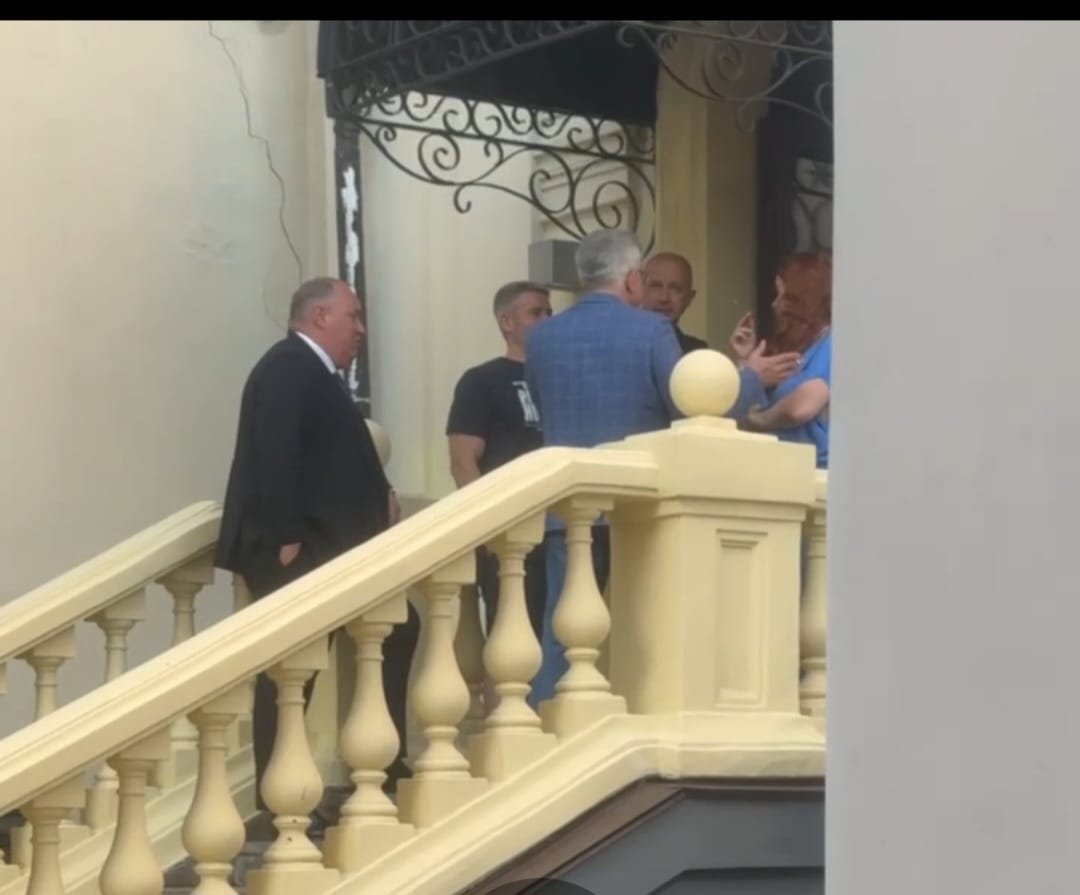
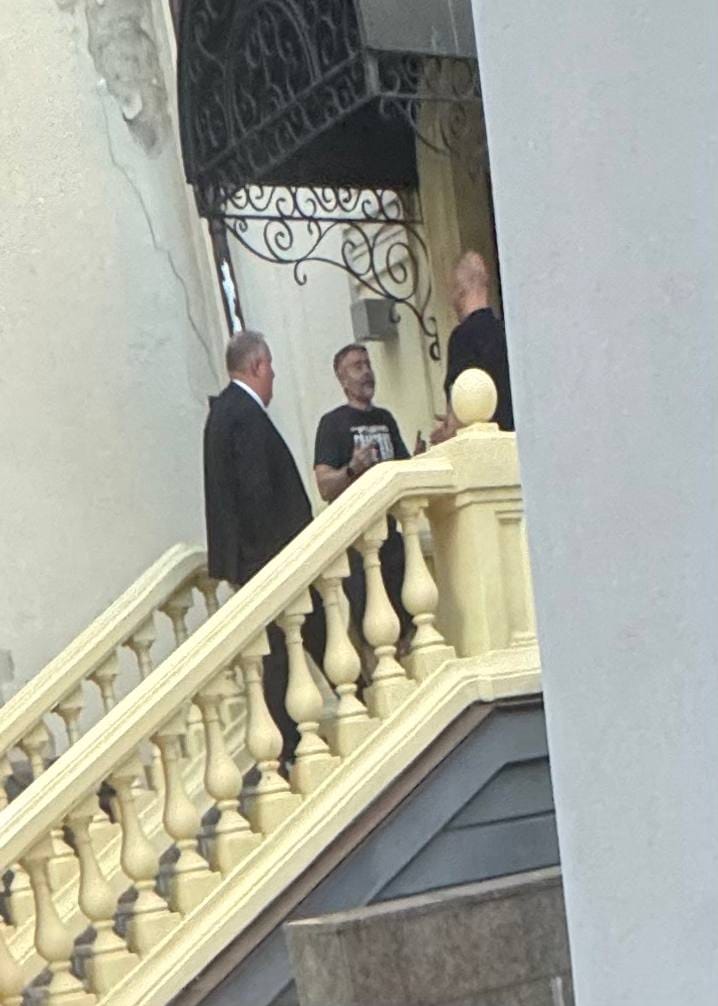
On August 20, as Kyiv was recovering from a massive Russian attack and rescue workers continued searching for people under the rubble, members of the High Council of Justice gathered at a restaurant in the center of the capital. The occasion was the end of the term of High Council of Justice member Dmytro Luk’yanov. Photos and videos from the event, which are in the possession of the editorial staff, raised questions not only about the appropriateness of such a celebration in the midst of a tragedy, but also about whether the Council members themselves adhere to the ethical standards they demand of judges.
 

The morning of August 20 began for Kyiv after a difficult night. Russia carried out a massive attack on the capital, and buildings in several districts of the city were destroyed or damaged. Rescue workers were on the scene at many locations. Search and rescue operations continued in the Solomyanskyi, Sviatoshynskyi, and Darnytskyi districts, where people were clearing debris and trying to help the victims.

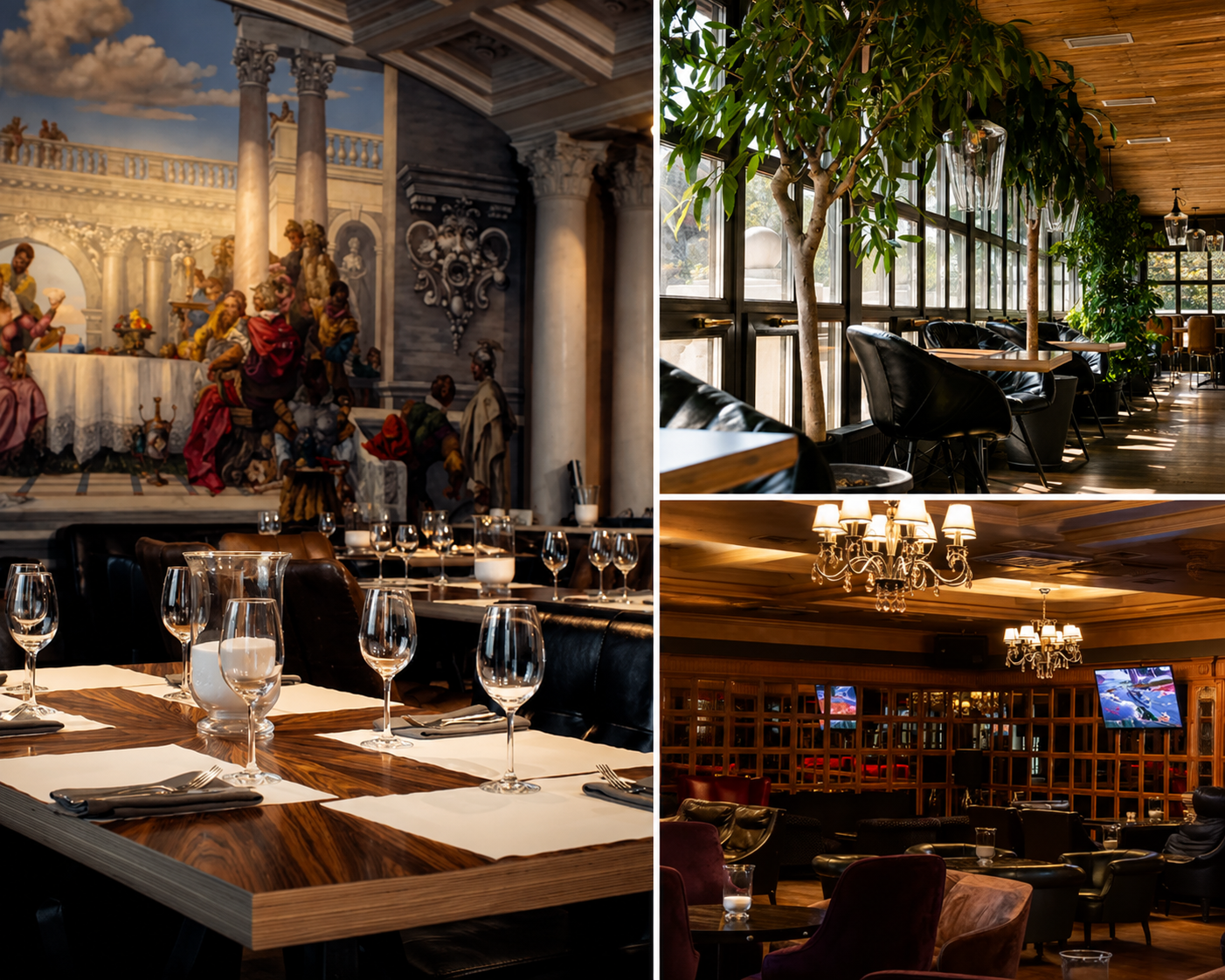
According to official figures, the death toll in Kyiv later rose to 15 people. Children were among the dead. The following day, August 21, was declared a Day of Mourning in the capital. On that very day, according to the “Judicial and Legal Gazette,” a celebration marking the end of Dmytro Lukyanov’s term in office took place at the Mario Ristorante Italiano restaurant on Pavlo Skoropadskyi Street.


Important note: The very presence of people at the restaurant and the fact that the event took place are documented in photos and videos. However, information regarding specific orders, the total bill amount, and who exactly paid for it requires separate confirmation.

Who Attended the Celebration

Dmytro Lukyanov has been a member of the High Council of Justice since 2022. He was elected under the quota of the congress of representatives from law schools and research institutions. His four-year term ended on August 19, 2026. The very next day, according to journalists, he gathered colleagues at a restaurant.

 tqiqthidtriqxxant


Among those present was Grigory Usyk, the chairman of the High Council of Justice. He was elected to the High Council of Justice in August 2022. According to our editorial team, he arrived at the event in an official vehicle. This was also captured in photos and videos. Also present at the event were HJC members Mykola Moroz, Tetiana Spiridonova, Oksana Kvasha, and Vitalii Makhinchuk.


Tetyana Spiridonova became a member of the High Council of Justice only in March 2026. She was elected to the Council by the 20th Regular Congress of Judges of Ukraine. Other guests reportedly included Yulia Bokova, Tetyana Bondarenko, Olga Popikova, and Olena Kovbiy.


Roman Maselko, whose term on the High Council of Justice had already ended, was also spotted at the celebration. In other words, he attended the event as a former member of the Council. According to the authors of the article, the presence of these individuals is confirmed by photos and videos that were submitted to the editorial office.

What Was on the Menu

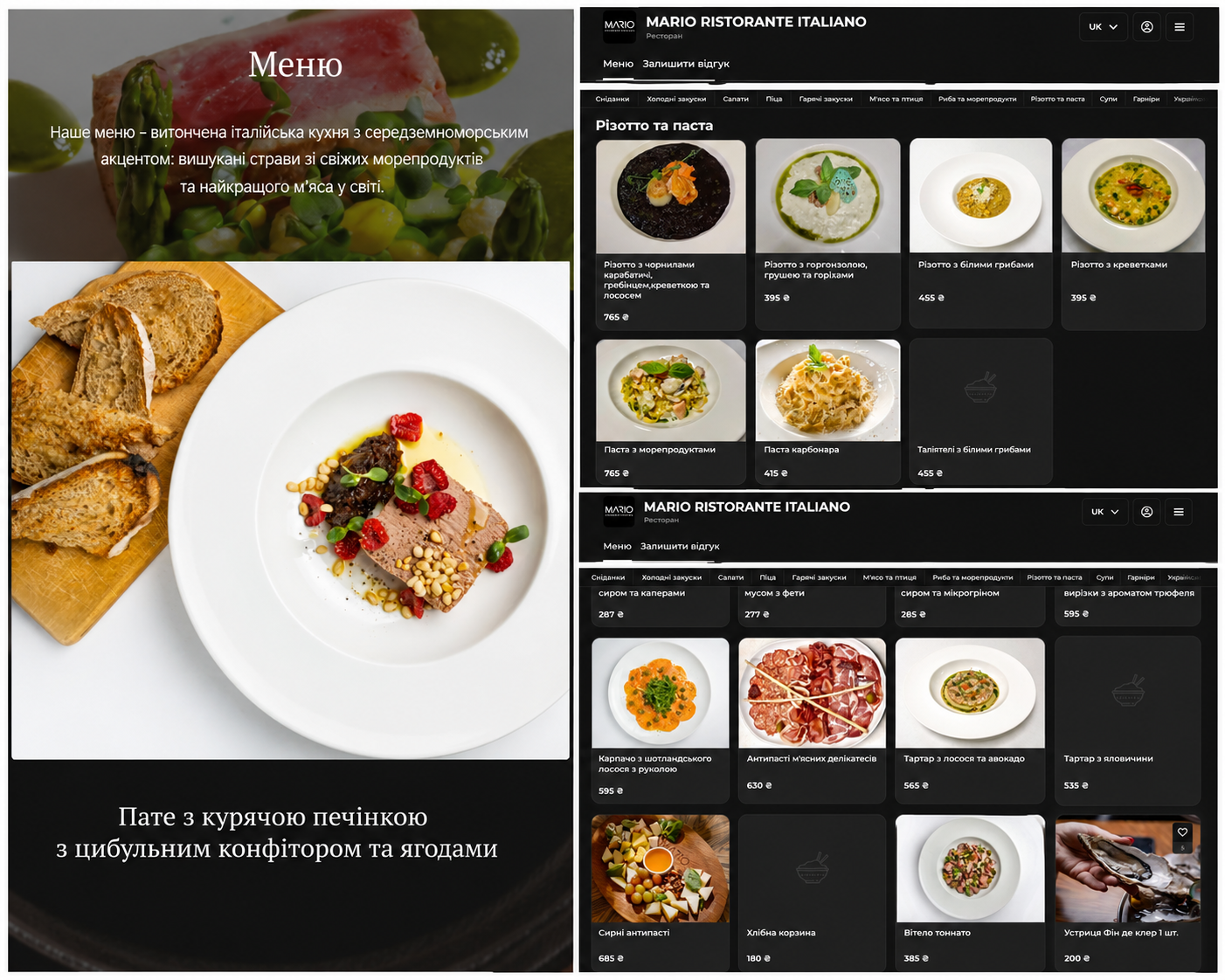
The restaurant where the celebration took place is marketed as an Italian cuisine establishment. The prices on the menu are quite high. For example, a single oyster costs 200–230 hryvnias. Antipasti with truffle honey costs about 770 hryvnias, while veal carpaccio and Scottish salmon tartare cost up to 665 hryvnias per serving.


A serving of Argentine ribeye costs up to 2,190 hryvnias, and a fruit platter—nearly 2,000 hryvnias. The wine list deserves a special mention. A bottle of Cristal Louis Roederer on the menu costs 34,800 hryvnias, while Veuve Clicquot costs 9,000 hryvnias.


However, it’s important not to confuse the prices on the menu with the actual bill. There is currently no confirmation that the guests ordered these specific expensive items or in these exact quantities. But the very fact that the celebration took place at an expensive restaurant on a weekday, while the capital was still recovering from the shelling, sparked a serious public debate.

Why Questions About Ethics Arose

The High Council of Justice is a body that plays an important role in the judicial system. In particular, the High Council of Justice considers matters of disciplinary responsibility for judges and is tasked with ensuring compliance with standards of professional conduct. Therefore, the situation with the banquet raises questions precisely because of the contrast between the requirements placed on judges and the behavior of the very people who establish and enforce those requirements. In its decisions, the HCJ has repeatedly emphasized that a judge’s conduct must not undermine public trust in the judiciary. Moreover, this applies not only to work in court but also to conduct outside of official duties.


For example, in its decision regarding Judge Roman Shymchyk, the High Council of Justice noted that a judge’s conduct while performing professional duties and outside of work must meet standards that do not raise reasonable doubts about the integrity and impartiality of the judiciary. In another decision, regarding Judge Serhiy Kikhtenko, the High Council of Justice specifically highlighted his absence from the workplace during working hours without valid reasons. The Council characterized such behavior as a serious disciplinary violation.

This raises a perfectly logical question: how exactly do the members of the High Council of Justice explain their presence at a celebration on a workday, and was it related to the performance of their official duties? This does not automatically mean that the members of the High Council of Justice committed a disciplinary or other offense. Such a conclusion requires a legal assessment of the specific circumstances. But from the perspective of public trust, the situation does indeed appear problematic—especially given that the celebration took place on a day when people died in Kyiv.

And who paid for the banquet?

Another question concerns who paid for the event. According to information received by our editorial staff, Dmytro Lukyanov may have paid the bill himself. This currently requires confirmation. If the meal for the current members of the High Council of Justice was indeed paid for by another person, questions may arise regarding the rules governing the acceptance of gifts by public officials.

Article 23 of the Law of Ukraine “On Preventing Corruption” sets restrictions on gifts for persons subject to the law. At the same time, the mere fact that another person paid the restaurant bill does not automatically constitute a violation of anti-corruption legislation. For a legal assessment, it is necessary to know exactly who paid, how much was spent, who exactly received the meal, and under what circumstances. Therefore, there are several specific questions that need to be answered:

  • Who organized the celebration?
  • who paid the bill;
  • how much did the event cost;
  • how many people were present;
  • Were the expenses related to official duties?
  • whether members of the High Council of Justice will declare any gifts received, if any.

So far, there are no confirmed answers to these questions.

Double Standards or Just Bad Timing

What has caused the most outrage is not the person’s right to celebrate the completion of a project. The problem lies in when and how it happened. On August 20, Kyiv endured one of its most devastating attacks. While rescue workers were searching through the rubble and families were waiting for news about their loved ones, a celebration was taking place in the center of the capital, attended by representatives of the highest judicial governance body.

This is precisely why the situation is perceived as far more serious than a routine private gathering. The High Council of Justice itself emphasizes the need to uphold high standards of conduct and strengthen public trust in the judiciary. In such a situation, the issue is no longer limited to mere formal compliance with the law.

At stake is the reputation of a body that is supposed to serve as a model for the entire judicial system.

How similar situations are viewed in other countries

In various democratic countries, officials have repeatedly resigned from their posts following incidents that, while not technically criminal, posed serious reputational risks. In the United Kingdom in 1998, Secretary of State for Trade and Industry Peter Mandelson resigned following a scandal involving a private loan from a close friend and businessman, Geoffrey Robinson. The issue was not only the legality of the transaction but also whether such a situation could undermine public trust in the government.

In Sweden, Deputy Prime Minister Mona Sahlin became known for the so-called “Toblerone scandal.” She used a government credit card for personal purchases and later reimbursed the government for the expenses. Despite this, the scandal effectively ruined her political prospects at the time. In France in 2019, Ecology Minister François de Rougé left the government following reports about expensive private dinners he had hosted for guests. The scandal received widespread attention because questions arose about who paid for these events and to what extent they were related to his work. In all these cases, it was not only the issue of a direct violation of the law that played an important role. Public trust in the official became no less important.

Why This Is Particularly Sensitive for the Ukrainian Judicial System

The Ukrainian judicial system is currently operating under extremely challenging conditions. At the same time, it must not only ensure the adjudication of cases but also undergo reform and restore public trust. The High Council of Justice plays one of the key roles in this process. Therefore, the conduct of its members attracts significantly more attention than that of an ordinary civil servant. They are expected not only to follow formal rules but also to personally uphold the very principles they demand of others.

In this case, questions arise on several levels at once. Was it appropriate to hold such a celebration on August 20 specifically? Did members of the High Council of Justice neglect their work duties for the sake of the event? Who paid for the refreshments? And does this situation comply with the rules regarding gifts?

Since there are no answers to all these questions yet, it is too early to conclude that the law was violated. But questions regarding ethics, appropriateness, and public trust have already arisen. And if the High Council of Justice expects judges to adhere to high standards of conduct, it is logical to expect the same from its own members.

Editor’s Note: This article was prepared based on information, photos,and video materials provided to the editorial office, reports on the aftermath of the Russian attack on Kyiv on August 20, 2026, as well as publicly released decisions of the High Council of Justice and provisions of the Law of Ukraine “On Preventing Corruption.” Information regarding actual orders at the restaurant, the final bill amount, and the identity of the payer requires documentary confirmation. The editorial staff does not allege the commission of any offense without a corresponding legal assessment. This was reported by the “Judicial and Legal Gazette.”

The Russian attack last night was one of the most cynical and large-scale strikes against Ukraine, Volodymyr Zelenskyy stated.

In the Darnytskyi district of Kyiv, near the “Auchan” hypermarket on Zdolbunivska Street, a dangerous object was discovered which, according to preliminary data, may be a cluster munition from an X-101 missile.


Read us on Telegram and Sends

Download our app