
September 18, 2026 — Pryluky City Day: History, Traditions, and Interesting Facts
On September 18, Pryluky in the Chernihiv region celebrates City Day. The year 1085 is traditionally considered the date of Pryluky’s founding, as the city is first mentioned in the “Instruction” by Kyiv Prince Volodymyr Monomakh, although historians cannot determine the exact year the settlement was established. The date of the city festival is also linked to September 18, 1943—the day Pryluky was liberated from Nazi occupiers during World War II.
City Day in Pryluky is celebrated annually on September 18. This tradition has existed for many years and has become one of the most important dates for the community. In city publications, September 18 is referred to as the holiday of the hometown on the Uday River. In 2026, City Day falls on Friday, September 18. This date holds special significance for Pryluky, as it is linked not only to the history of the city’s founding. It was on September 18, 1943, that Pryluky was liberated from the Nazi occupiers. Therefore, for many years, City Day has combined festive, cultural, and commemorative events. On this day, people commemorate the history of Pryluky, the people who developed the city, and those who died defending it and Ukraine.

It is important to note that the exact date of Pryluky’s founding cannot be determined. City authorities use the year 1085 as the traditional date, as that is when the city first appears in written sources. In 2025, Pryluky officially celebrated its 940th anniversary, counting from 1085. Therefore, in 2026, the city will mark the 941st anniversary of the first written mention of the city.
Where Did the History of Pryluky Begin?
Pryluky is one of the oldest cities in Ukraine. It is located on the banks of the Uday River in the southern part of the Chernihiv Oblast. The city originated as a fortified settlement, as this territory was an important part of the border zone during the time of Kievan Rus’. The settlement was intended to protect people from attacks by nomadic tribes from the steppe. According to the city’s historical records, Pryluky may have been founded as early as the late 10th to early 11th centuries. This is linked to the construction of fortified towns during the reign of Prince Volodymyr the Great. At that time, a defensive system for Kievan Rus’ was being established along the banks of the Desna, Ostra, Trubezh, Sula, and Stugna rivers. Researchers suggest that a fortification, which later became Pryluky, may have been established during this period.
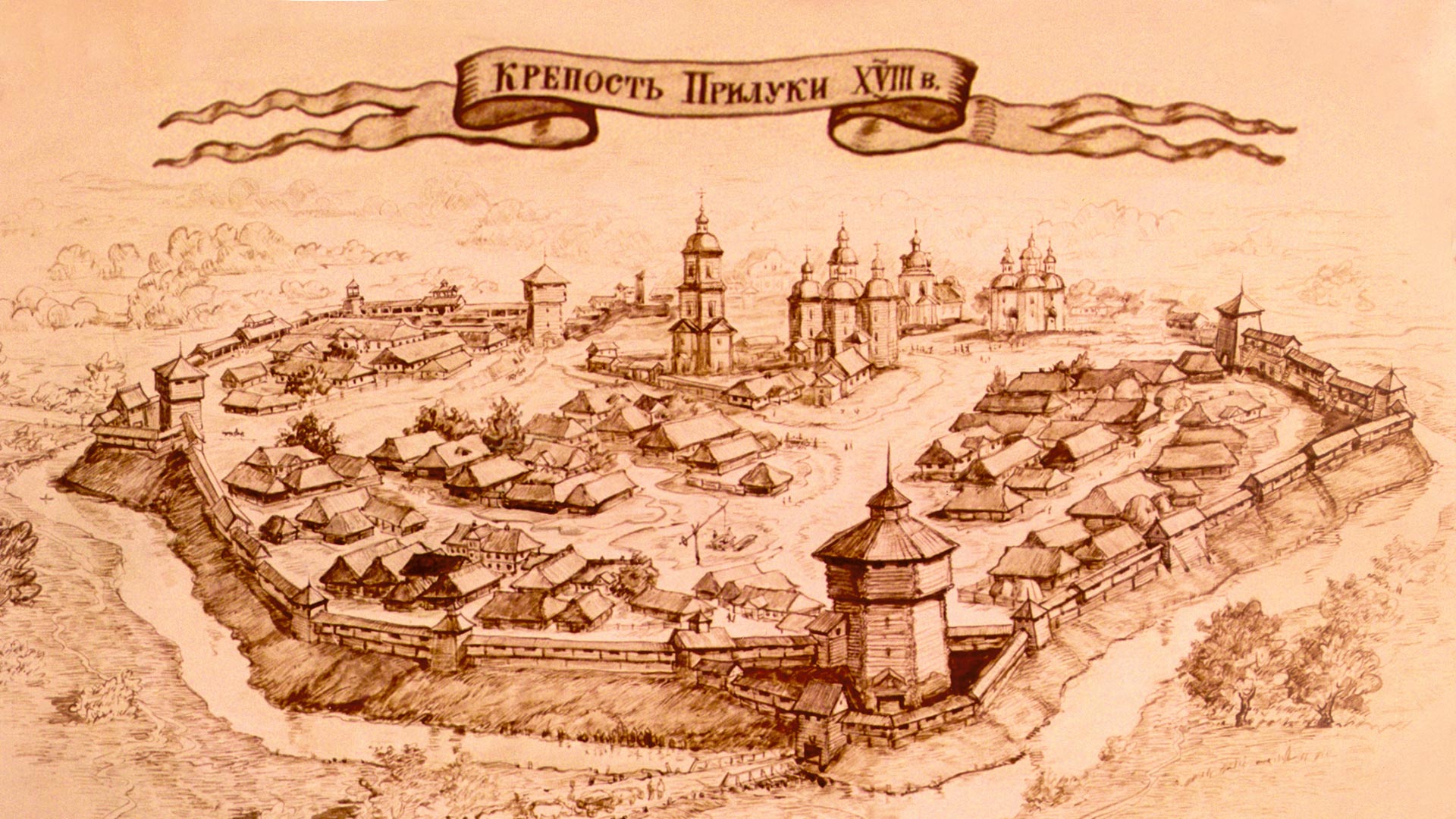
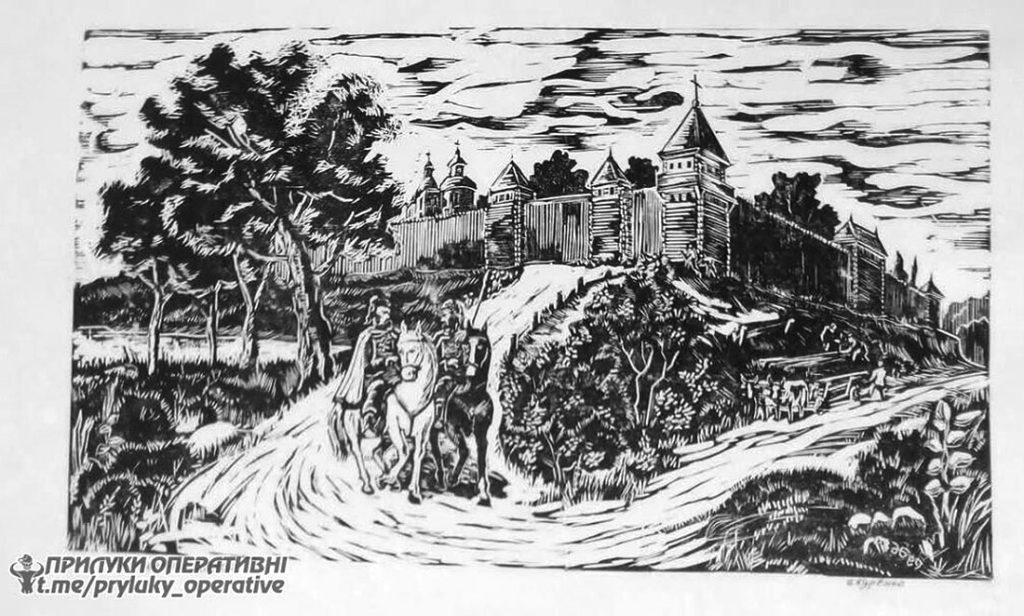
However, the first reliable written record of the city dates back to 1085. At that time, Prince Vladimir Monomakh of Kyiv, in his “Instruction to His Children,” recounted a campaign against the Polovtsians. When the prince saw that the enemy outnumbered him, he retreated to the fortified town of Pryluky. Later, Monomakh, together with his retinue and the people of Pryluky, marched out against the Polovtsians and defeated them in battle near the city. It was this story that became the first written mention of Pryluky.
Interestingly, even back then, Pryluky was not merely a small settlement with a military garrison. In historical sources, it is referred to as “Pryluky-gorod,” meaning a fortified city where people lived. Archaeological finds in the areas of the ancient Val, Opanasivsky Uzviz, and Kvasinsky Posad also attest to the settlement’s long history. That is why modern Pryluky is considered a city with over nine centuries of written history.
Where Does the Name Pryluky Come From?
There are several theories regarding the city’s name. One of them is explained by the characteristics of the terrain. The Uday River makes a distinctive bend near the city, and when viewed from a high bank, it resembles a bow—an ancient weapon. This could be the origin of the name “Pryluky.” There is another explanation as well. According to this version, the name is linked to the words “luki” or “lugami”—the floodplains near the river. In the past, the Uday played a much greater role in the city’s life, and its valley provided favorable conditions for settlement. Therefore, the natural landscape could very well have influenced the name.
There is also a less common version linked to a river route. Some researchers suggest that in ancient times, the Uday River may have been navigable. In that case, boats and other vessels could have “docked” at its banks. However, this is just a theory, not a proven fact, so there is no definitive explanation for the origin of the city’s name. The mystery of the name adds another interesting feature to Pryluky. Over the centuries, the city developed precisely around the river, which shaped its landscape and partly influenced the lives of its residents. Today, the Uday River remains one of Pryluky’s main natural features. That is why, in greetings and materials for City Day, it is often referred to as the city on the Uday.
Pryluky has endured much destruction
The city’s history has been far from peaceful. As early as 1092, Pryluky, along with other settlements on the borderlands of Kievan Rus’, was attacked by the Polovtsians. Later, the city is mentioned among the destroyed settlements of the Pereyaslav region during the princely feuds. In the 13th century, Pryluky also endured the Mongol invasion. After prolonged destruction, the city gradually revived. In the 15th century, it began to develop again, but this period was not peaceful either. In 1482, Pryluky suffered an attack by the Crimean Khan Mengli Giray. It took the city a long time to recover from yet another period of devastation.
Despite wars and raids, Pryluky always managed to rebuild. It is precisely this ability of the city to come back to life after difficult periods that has become one of the defining features of its history. Contemporary city council documents also emphasize that over nearly a thousand years, Pryluky has been destroyed more than once, but its residents have always rebuilt their hometown.
Priluki in the Cossack Era
The era of the Ukrainian Cossacks was particularly significant for the city. Pryluky served as the headquarters of the Pryluky Regiment and retained its status as a regimental town for 133 years. This was a time when the city became not merely a fortress but an important administrative and military center. The Cossack era left a noticeable mark on local history and architecture.

To this day, Priluki has preserved landmarks associated with this era. Among them are the Transfiguration Cathedral and other churches that form the historic center of the city. Cossack Baroque became one of the defining architectural styles of old Pryluky. The city developed not only as a military center. Artisans and merchants worked here, fairs were held, and churches and public buildings were constructed. Over time, Pryluky became an important economic and cultural hub of the region. This development continued into the following centuries.
Why September 18 Was Chosen as City Day
The most important reason for choosing this date is linked to the events of World War II. On September 18, 1943, Pryluky was liberated from Nazi occupiers during the Chernihiv-Pripyat Offensive. The city had been under occupation since September 1941, and its liberation was a significant event for local residents. That is why September 18 became more than just a date on the calendar for the people of Pryluky. For many years, the city has commemorated those who participated in the liberation of Pryluky on this day. The traditional venue for these commemorative events was the Eternal Glory Memorial Park, where people laid flowers and remembered the fallen soldiers.

According to the Pryluky City Council, during World War II, approximately 18,000 residents of Pryluky defended their country on the front lines, in partisan units, and in the underground. City records indicate that 14,619 of them died. These figures explain why the commemorative aspect of September 18 holds such an important place in the history of City Day. Over the years, the celebration has expanded in scope. Concerts, exhibitions, sports competitions, fairs, and various events for children have been added to the commemorative activities. Thus, City Day has become both a day of remembrance and a day for the community to come together.
How City Day Was Traditionally Celebrated in Pryluky
Before the full-scale war, City Day in Pryluky was often a major city-wide event. Cultural institutions, schools, sports organizations, business owners, artisans, and local groups all took part in the celebrations. Concerts, exhibitions, sporting events, and various forms of entertainment took place in the city center. One of Pryluky’s most notable traditions was the Vozdvizhensky Fair. Held in the fall, it brought together producers, artisans specializing in decorative and applied arts, food vendors, farmers, and visitors from various regions of Ukraine. At the fair, visitors could purchase woodwork, ceramics, embroidered shirts, jewelry, food, and other goods.

The fair was more than just a marketplace. Music and dance groups performed there, concert stages were set up, and flash mobs and various contests took place. Separate entertainment programs were organized for children. Thus, the Vozdvyzhensky Fair has become part of Pryluky’s cultural identity and an important fall tradition for the community. During the celebration, people who have contributed to the city’s development were also honored. Over the years, award ceremonies were held, including the presentation of the “For Merit” awards and the recognition of individuals whom the community is proud of. These awards became yet another way to show that City Day is not only about historical events but also about the people who are shaping Pryluky today.
Cultural Traditions of Pryluky
The city has long had a tradition of holding local history events leading up to City Day. Libraries organize meetings, exhibitions, and quizzes where residents can learn more about the history of Pryluky. For schoolchildren, educational tours and virtual journeys through the old streets are held.

On the eve of City Day, children can explore Pryluky’s architecture, historic buildings, and famous residents. For example, as part of one such event, students set out on an art and local history tour from the train station along Vokzalna Street to the historic part of the city. There, they learned about the old buildings and landmarks of the Cossack Baroque style. Another popular format is local history scavenger hunts. Children are invited to search for symbolic “treasures,” answer questions about the city, and identify its landmarks. This approach makes it possible to discuss history without resorting to a dry list of dates. That is why such events often become part of City Day celebrations.
What to See in Pryluky
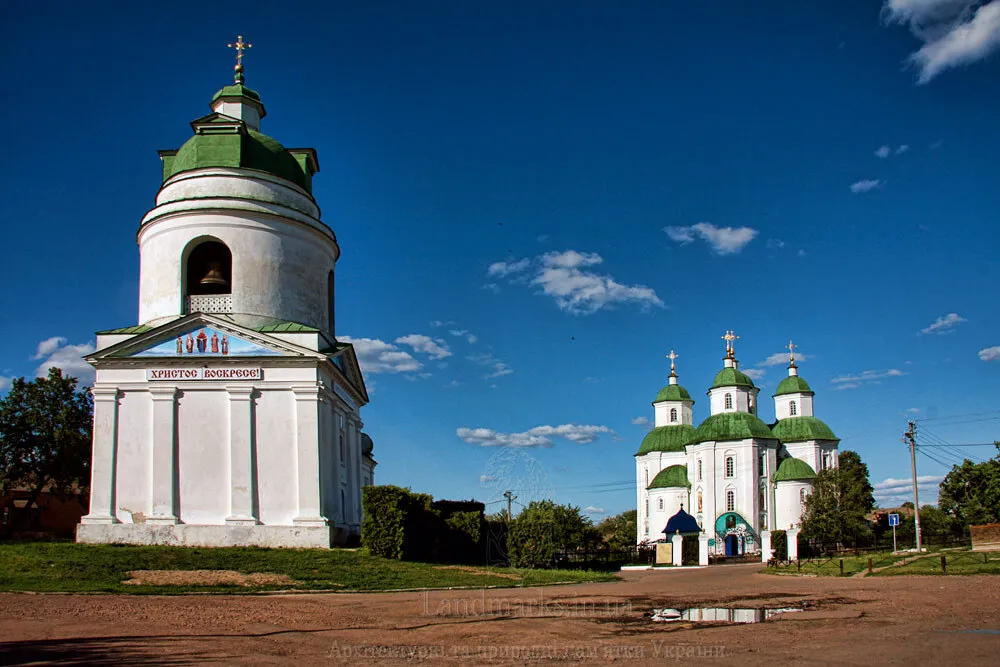
Pryluky is particularly interesting for its historic architecture. According to the city’s investment passport, 38 historic buildings have been preserved in the city, as well as 11 religious structures from the 18th through 21st centuries, 29 monuments and commemorative structures, and dozens of memorial plaques. This makes the old part of Pryluky a unique open-air museum. One of the most famous landmarks is the Transfiguration Cathedral. The stone church was built between 1710 and 1720 at the expense of Pryluky Colonel Hnat Galagan. It was built on the site of an older wooden church, which was first mentioned as early as the mid-17th century. The cathedral is one of Pryluky’s most important architectural landmarks.
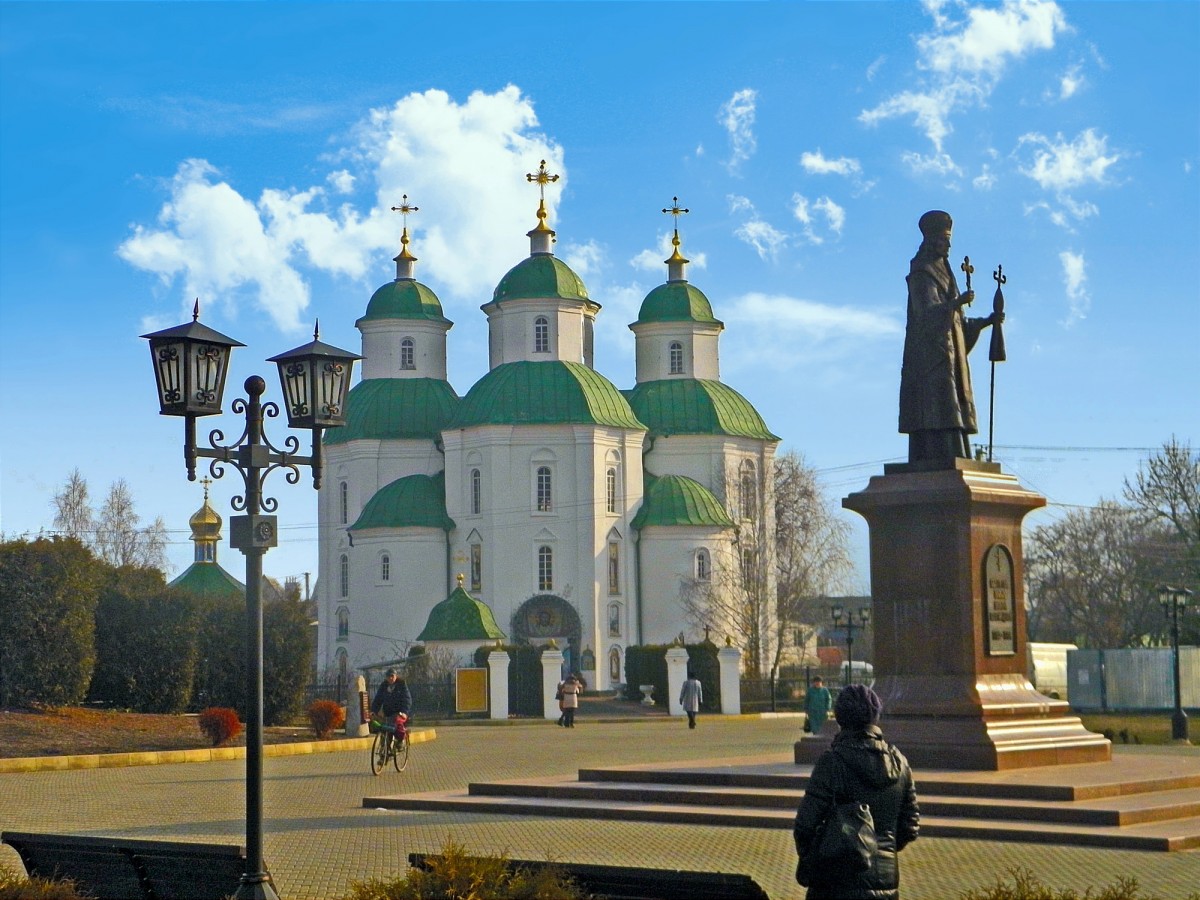
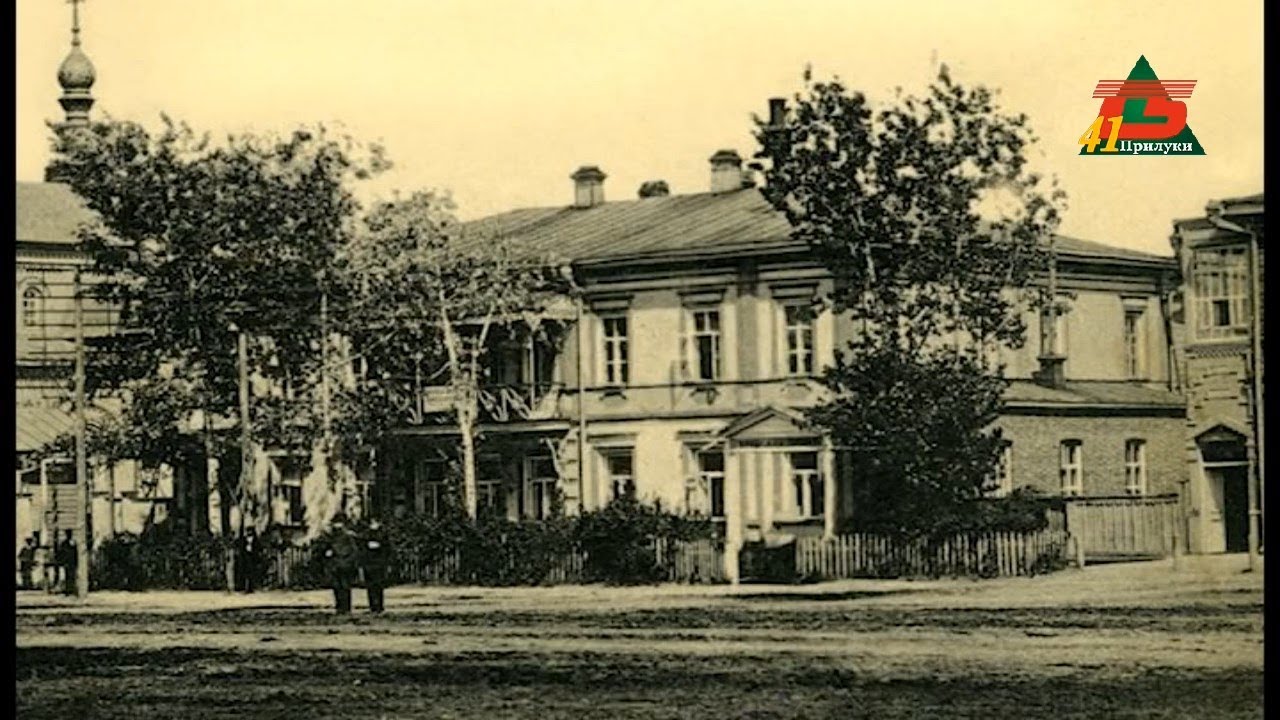
Another interesting landmark of the city is the ancient rampart. It was here that the fortified part of Pryluky was once located. A monument to Volodymyr Monomakh stands on the rampart, as it was his “Instruction to His Children” that contains the first written mention of Pryluky. The monument to the prince was unveiled on August 24, 1992, on the first anniversary of Ukraine’s independence. Other historical sites in the city include the Regimental Treasury, the Holy Presentation Cathedral, the Churches of the Three Saints and St. Nicholas, the Church of St. Panteleimon, and historic townhouses. Some of the structures date back to the Cossack era, while others were built in the late 19th and early 20th centuries. It is precisely this architectural diversity that allows visitors to see how Pryluky has changed over the centuries.
City Day During the War
Today’s City Day celebrations take place under entirely different circumstances. Full-scale war has altered the format of many city events, and the safety of residents has become the primary consideration for any public gathering. Therefore, today the focus is often on remembrance, culture, history, and community support.
This is especially important for Pryluky, as September 18 already carries a strong commemorative significance due to the events of 1943. Now, this is complemented by the memory of Ukrainian soldiers defending the country in the current war. In their address marking the 940th anniversary, city officials specifically thanked the Armed Forces of Ukraine for enabling the city to live, work, and celebrate its important dates.
That is why, for Pryluky, City Day today does not necessarily mean a large-scale public celebration. It could be an exhibition, a local history gathering, a guided tour, a commemorative event, or simply an opportunity to walk through familiar streets and reflect on the history of one’s hometown. Such events help preserve local traditions even when the usual format of celebrations changes.
Interesting Facts About Pryluky
Pryluky was first mentioned in 1085. Prince Volodymyr Monomakh wrote about the city in his “Instruction to Children.” By that time, Pryluky was already a fortified settlement with a population.
In 1092, Pryluky appeared in the chronicles once again. This time, the city was mentioned in connection with an attack by the Polovtsians, who were ravaging settlements in the borderlands of Kievan Rus’. This illustrates just how dangerous life was in the region during those times.
Pryluky was a regimental town. During the era of the Cossack state, the town served as the administrative center of the Pryluky Regiment for over a century. In total, it retained this status for 133 years.
The city stands on the Uday River. The river itself is one of Pryluky’s main natural features. Its name can even be seen in modern festive addresses—the city is often called “the city on the Uday.”
Many historic structures have been preserved in Pryluky. According to official municipal data, the city has 38 historic buildings and 11 religious structures dating from the 18th to the 21st centuries. Some of them contribute to the historic character of the city’s downtown area.
City Day is linked to the liberation of Pryluky in 1943. That is why September 18 holds not only festive but also commemorative significance for the community. On this day, people remember those who died during the war and in the struggle to liberate the city.
How Pryluky Celebrates Its City Day
Over the years, the City Day program has changed, but the main traditions have remained similar. These include gatherings of residents, cultural events, exhibitions, sports competitions, concerts, local history events, and fairs. The Vozdvyzhensky Fair held a special place, transforming the city center into a large venue featuring goods, crafts, music, and Ukrainian traditions.
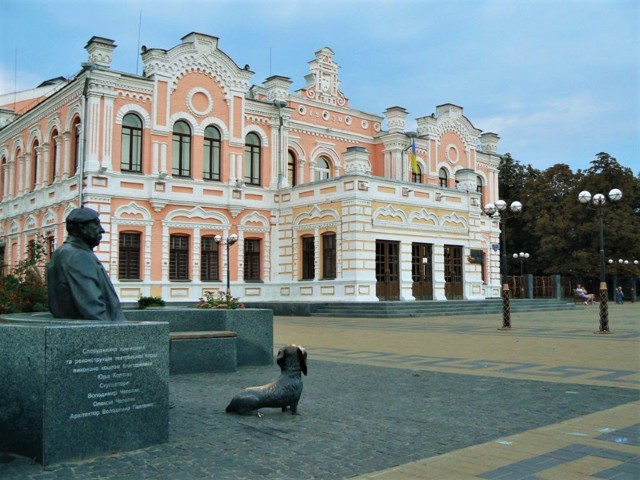
Today, another important element has been added to these traditions—the memory of Ukraine’s defenders. City Day provides an opportunity to remember not only those who liberated Pryluky in 1943 but also the modern-day soldiers who are defending Ukraine. At the same time, cultural and local history events help the city preserve its own history and pass it on to future generations.
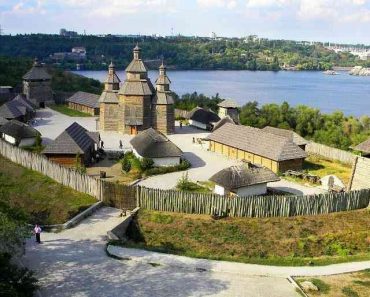
On September 18, 2026, Pryluky will celebrate City Day and the 941st anniversary of its first written mention. This date brings together the ancient history of the fortress on the Uday River, the Cossack past, the architectural heritage, the memory of the liberation in 1943, and the community’s modern life. For the residents of Pryluky, this is first and foremost a day to celebrate their hometown—with its history, people, traditions, and the memory they continue to preserve.


