
Holiday on September 18, 2026: Christians commemorate the Venerable Eumenes of Gortyna
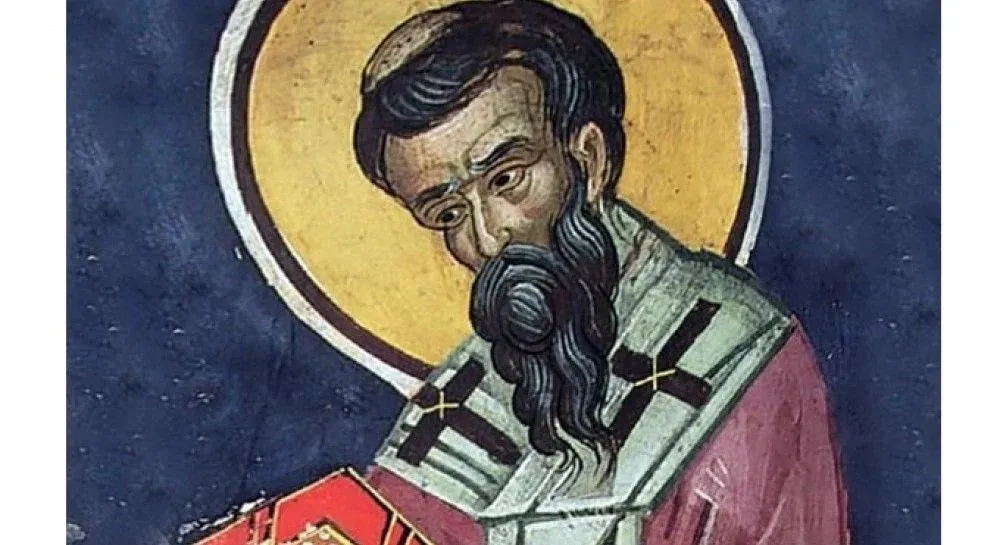
On September 18 according to the New Julian calendar, Christians commemorate the Venerable Eumenes, Bishop of Gortyna, who is known as a miracle-worker. According to church tradition, he renounced wealth while still young, helped the needy, and later became bishop on the island of Crete. In 2026, this day falls on a Friday, and according to the Julian calendar, the date corresponds to October 1.
The commemoration of the Venerable Eumenios, Bishop of Gortyna, falls annually on September 18 according to the New Julian calendar. In those church traditions that continue to use the Julian calendar, this same date corresponds to October 1 on the modern calendar. Therefore, both dates may appear in calendars, even though they refer to the same church commemoration. In 2026, September 18 falls on a Friday. On this day, the church calendar also commemorates other saints, including the martyr Ariadne of Phrygia, the martyrs Sophia and Irina, and the martyr Castor.
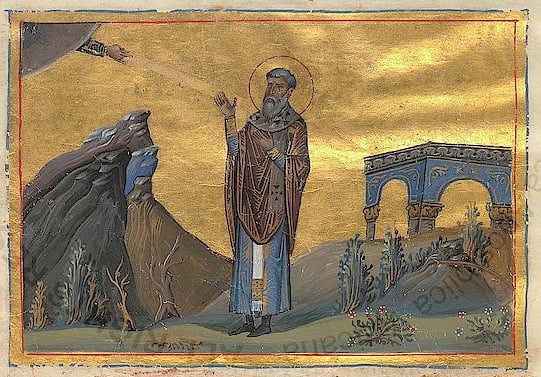
The central figure of this day is Eumenes himself. In the church tradition, he is referred to not merely as a bishop but as a miracle-worker due to numerous accounts of his aid to people and extraordinary events associated with his prayers. His hagiography has been preserved in the church tradition and has become the basis for the annual commemoration of the saint. This day of remembrance is not a separate secular holiday in the usual sense. It is, first and foremost, a church holiday when believers commemorate the life, faith, and deeds of a person whom the Church considers an example of Christian service.
Who Was Eumenios of Gortyna
Eumenios lived on the island of Crete and, according to church tradition, chose a spiritual life from a young age. He prayed fervently, observed fasting, and tried to avoid what he considered worldly temptations. Helping people in need was of particular importance to him. According to his hagiography, Eumenios distributed his possessions to the poor and needy, renouncing a life of material wealth. It is this trait that has become one of the central themes in the stories about him.
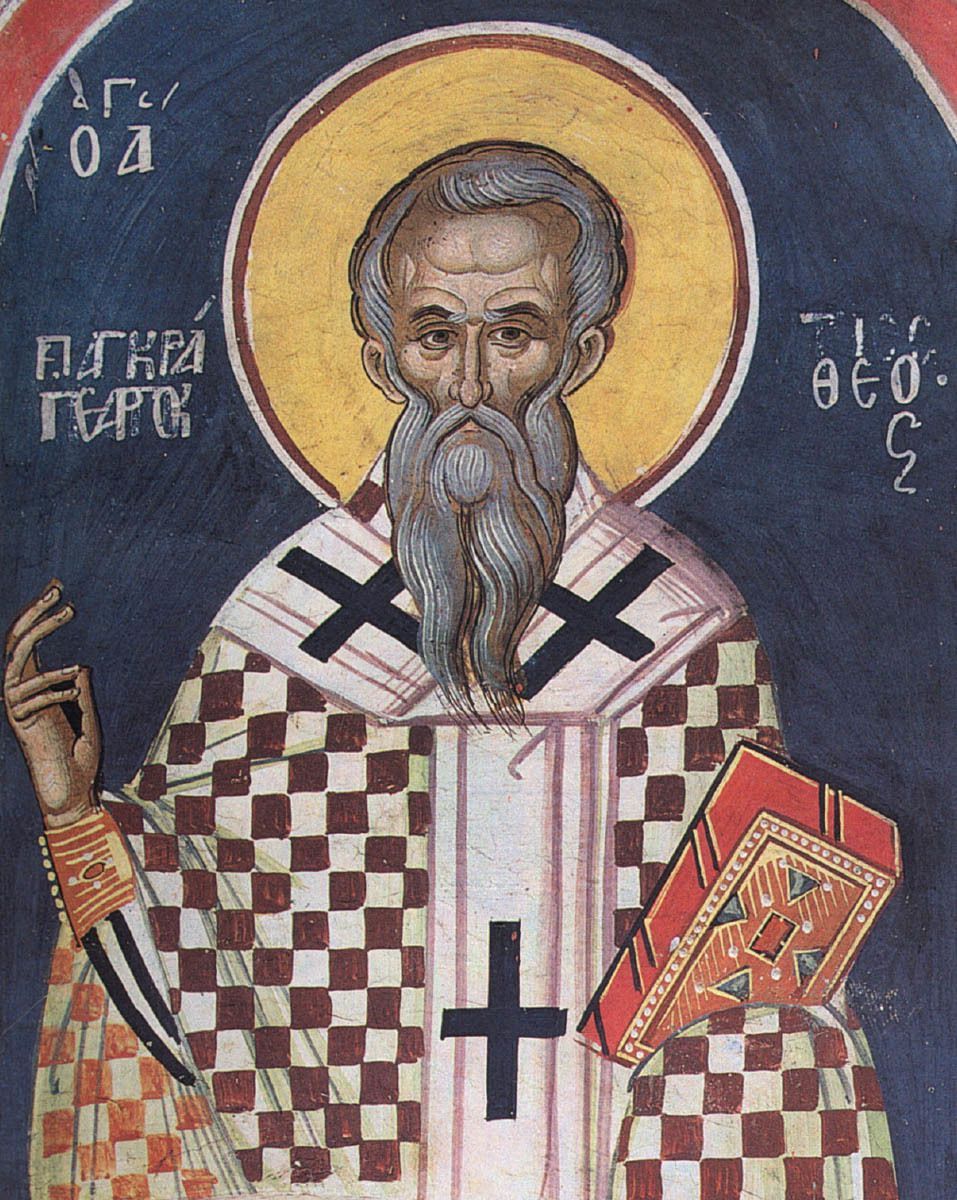
Eventually, Eumenes was elected Bishop of Gortyna. Gortyna was one of the most important cities on Crete, so serving in this see entailed great responsibility. In his ecclesiastical biography, the saint is described as a good shepherd who never left people to face their problems alone. He supported the poor, cared for orphans, and sought to help those suffering from illness or difficult life circumstances. In other words, his ministry was not limited to worship services and sermons—providing practical help to people was an important part of his life.
The name Eumenios comes from an ancient Greek word that can be translated as “kind,” “benevolent,” or “gracious.” Therefore, the meaning of the name aligns well with how the saint is described in his hagiography. In church texts, he is portrayed as a man who did not seek to accumulate wealth for himself, but used his resources to help others. That is why his memory is associated with mercy, good deeds, and care for the vulnerable.
Why is Eumenes Called a Miracle-Worker?
Eumenios’s hagiography contains several accounts of miraculous events. The most famous of these is connected with a severe drought. According to church tradition, when people were suffering from a lack of rain, Eumenios prayed, after which rain fell upon the land. It was this story in particular that became one of the reasons why the saint came to be called a miracle-worker.

Various hagiographic texts also mention the healing of the sick and other extraordinary events. One legend recounts that Eumenios was able to subdue a dangerous snake through prayer. Such stories are characteristic of the ecclesiastical hagiographic tradition; that is, they are part of the saint’s hagiography and portray him as a man of strong faith. They should not be taken as modern documentary evidence of events, as they belong to a religious tradition.
For Christians, the significance of these stories lies not only in the miracles themselves. They illustrate what a spiritual mentor should be like in the church tradition—a person who is not indifferent to the problems of others. In the case of Eumenios, particular emphasis is placed on his prayers for people and his willingness to help those who suffer. That is why his memory is associated with mercy and intercession.
How Eumenios Defended His Faith
Eumenes lived during a period when fierce theological disputes were raging in the Christian world. According to his ecclesiastical biography, he actively defended Orthodox doctrine and opposed teachings he considered erroneous. Because of his stance, the saint faced persecution and was exiled to Thebaid in Egypt. It was there, according to tradition, that he spent the final years of his life. Interestingly, even after his exile, the memory of Eumenes did not fade. In the Church tradition, he continued to be remembered as a bishop who remained faithful to his convictions. He died in the 7th century, and after his death, according to Church tradition, his relics were returned to Gortynia. There they were buried in a place called Raxos.
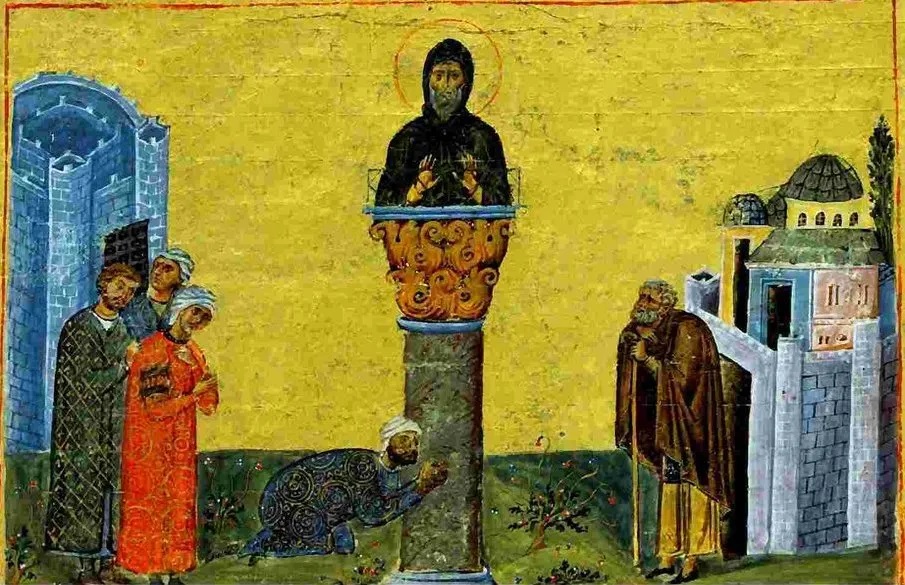
Thus, the saint’s story brings together several themes at once—the rejection of wealth, helping others, defending the faith, and life in exile. That is why, in church tradition, Eumenes is seen as an example of a person who did not place personal well-being above his convictions. His image has been preserved over the centuries in church calendars and liturgical texts.
What People Do on September 18
For believers, this day is primarily associated with prayer and remembrance of the saint. Church services are held in which Eumenes of Gortyna is commemorated. Believers may pray for health, help in difficult circumstances, spiritual support, and intercession. It is considered important not only to ask for something for oneself but also to remember others in one’s prayers. Helping those in need is considered particularly fitting in light of the saint’s life.

On this day, you can do a good deed, support a loved one, help the lonely, or donate to charity. This approach aligns well with the central theme of Eumenes’s life—caring for the poor, orphans, and those in need. For Christians, the commemoration of the saint is not limited to a calendar date. It is meant to serve as a reminder of specific deeds and values that a person can incorporate into their own life. Therefore, September 18 can be spent more peacefully, devoting more attention to prayer, family, and helping others.
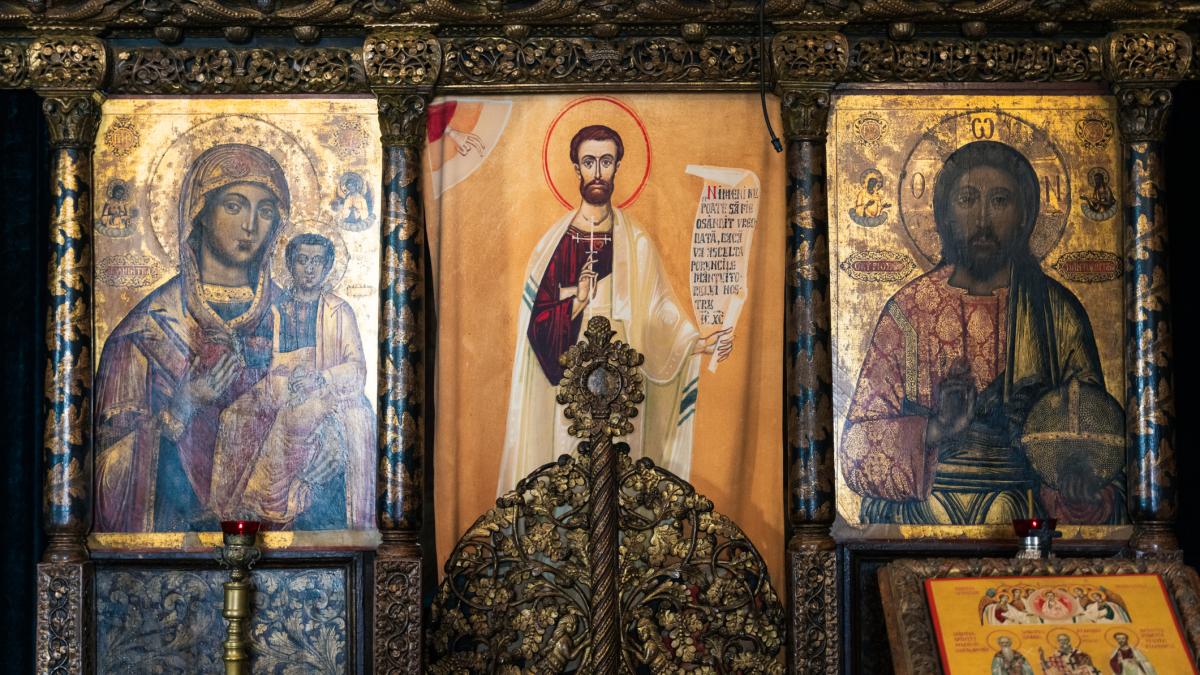
It is also worth noting that September 18, 2026, falls on a Friday. In the Orthodox tradition, Friday is a day of fasting, and church calendars designate this date as a day of fasting. At the same time, specific fasting rules may depend on church tradition and a person’s individual circumstances.
Folk Traditions and Superstitions on September 18
Alongside the church commemoration of Eumenes, the folk calendar has developed its own customs. These are not church rules and are more closely tied to the way of life of our ancestors and their observations of nature. September was a time for finishing summer work, preparing for the cold, and stocking up on food for the winter. Therefore, many of the folk omens of this period concerned the weather and the coming winter.
Our ancestors closely observed the sky, plants, and animal behavior. For example, red clouds before sunrise were considered a possible sign of wind and rain. If the rowan leaves had already turned yellow, this was seen as a sign of an early and cold winter. And a large number of berries on the rowan tree was said to indicate a rainy fall. Today, such folk signs should be viewed precisely as part of folk culture, rather than as an accurate weather forecast.
This date was also associated with harvesting rose hips. The berries were gathered before the first heavy frosts, dried, and used in the winter to make beverages. This custom was quite practical, as households tried to build up reserves in advance for the cold season. In folk tradition, rosehips were valued for their properties and used in homemade infusions and teas.
What customs were observed on this day
According to folk beliefs, on September 18, people were advised not to boast about their achievements or flaunt their wealth. It was believed that excessive pride could lead to misfortune. People were also advised to avoid quarrels, insults, and harsh words. However, these are merely folk beliefs, not prohibitions established by the Church. The Church’s observance of the day focuses much more on prayer, charity, moderation, and remembering the saint’s life.

Among popular modern advice, one can find various prohibitions—ranging from getting a haircut to working with plants. But there is no universal church rule that would forbid a person from doing such everyday things specifically on September 18. Therefore, it is important not to confuse church teachings with folk superstitions. If a person needs to work, take care of the home, or tend to plants, the date itself does not make such work sinful. Instead, one should avoid deliberate evil, quarrels, insults, and indifference toward others, for it is precisely charity that the life story of Eumenes emphasizes.
Interesting Facts About Eumenios of Gortyna
Eumenios was the Bishop of Gortyna on the island of Crete. This city was of great importance to the region, so his ministry as bishop was significant for the local Christian community. After the saint’s death, according to church tradition, his relics were returned to Crete. This is why Eumenes is particularly associated with the island’s church tradition.
Another interesting point is the meaning of his name. The ancient Greek name Eumenes is associated with words conveying the meanings “kind,” “gracious,” and “benevolent.” For a saint described in his hagiography as a defender of the poor and orphans, this sounds particularly symbolic. His name, in fact, echoes the main trait emphasized in his biography.
Eumenes is also mentioned in liturgical texts on September 18. In the troparion, the saint is called a helper and intercessor, while in the kontakion, he is addressed as a hierarch and spiritual father. Such texts illustrate how the Church conveys the central theme of his commemoration—mercy, spiritual light, and prayer for the people.
What This Day Means Today
The commemoration of Eumenes of Gortyna is not just another date on the church calendar. His life story reminds us of simple things that remain important today: not to be indifferent to the suffering of others, to help those who are weaker, not to place material things above humanity, and to remain true to one’s convictions. On September 18, believers can spend the day in prayer, visit a church, remember loved ones, and do a good deed. For those interested in folk traditions, this date offers an opportunity to recall autumn customs, superstitions, and ancient ways of preparing for winter. The key is to distinguish between church tradition and folk beliefs, as they have different origins.
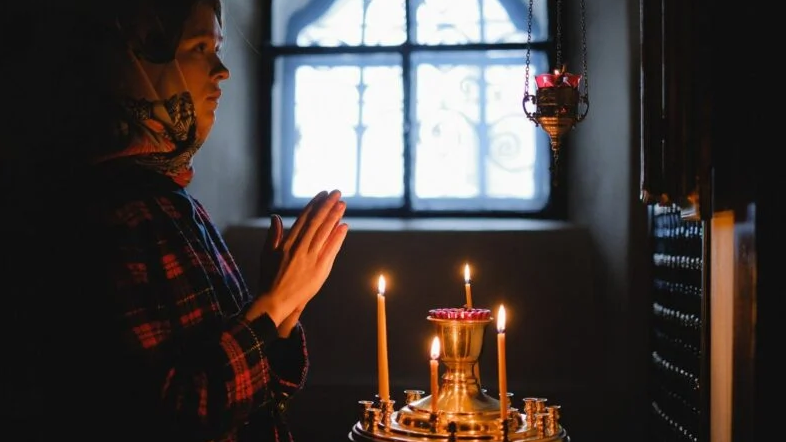
In 2026, the day of remembrance for Eumenes falls on a Friday, so for believers, it is also a day of fasting. According to the Julian calendar, it will be observed on October 1. Regardless of the calendar system, the meaning of the commemoration remains the same—to honor the saint whom the church tradition has preserved as an example of mercy, prayer, and service to others.


