
September 18, 2026—Lubny City Day: History, Traditions, and Interesting Facts

On September 18, Lubny in the Poltava region celebrates City Day. In 2026, the city will mark its 1,038th anniversary according to the traditional date of its founding, which is associated with the year 988. City Day also marks another important date in Lubny’s history—on September 18, 1943, the city was liberated from Nazi occupiers, so the modern celebration combines the city’s history, the memory of its defenders, and the community’s cultural traditions.
Lubny City Day traditionally falls on September 18. The local community’s charter states that the celebration takes place on September 17–18 and is linked to the city’s liberation from Nazi occupiers. It was on September 18, 1943, that Lubny was liberated during World War II. Therefore, this date holds not only festive but also commemorative significance for the city.
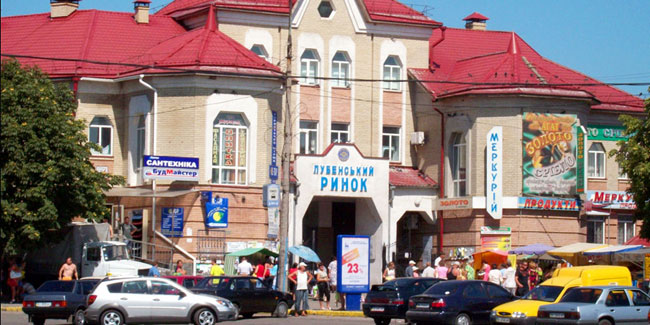
In 2026, Lubny will celebrate the 1,038th anniversary of its founding according to the traditional historical date. The city council traces the city’s founding to 988, when Prince Volodymyr Sviatoslavych established fortified settlements along the Desna, Trubezh, Sula, and Stugna rivers to defend the southern borders of Kievan Rus’. Lubny became one of these fortresses along the Posul Defense Line. At the same time, the first chronicle mention of the city dates back to 1107. In other words, City Day in Lubny is not just a date on the calendar. It combines over a thousand years of history with an event that took place in the 20th century. For local residents, September 18 has become a day to reflect on the past, honor those who defended their homeland, and discuss the city’s present-day life.
The Origins of Lubny’s History
Lubny is considered one of the oldest cities in Ukraine. According to the Lubny City Council, settlements in this area existed long before Kievan Rus’. Archaeological finds attest to the region’s long history of settlement, notably a Late Stone Age human settlement near the village of Hintsi in the Lubny District. In other words, the region’s history began long before the city itself appeared in the chronicles.
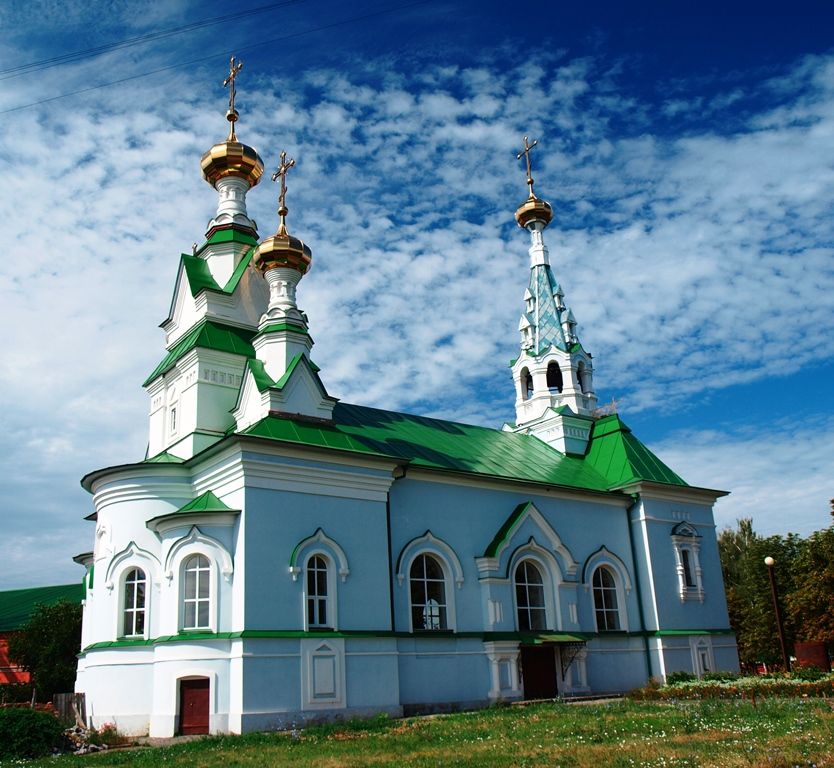
The official date of Lubny’s founding is considered to be 988. According to historical records from the city council, it was then that Prince Volodymyr Sviatoslavych ordered the construction of fortresses along the rivers to protect Kievan Rus’ from attacks by steppe nomads. Lubny emerged near the Sula River, which was part of this defensive system. Today, ramparts and other remains of fortifications serve as reminders of the city’s ancient history.
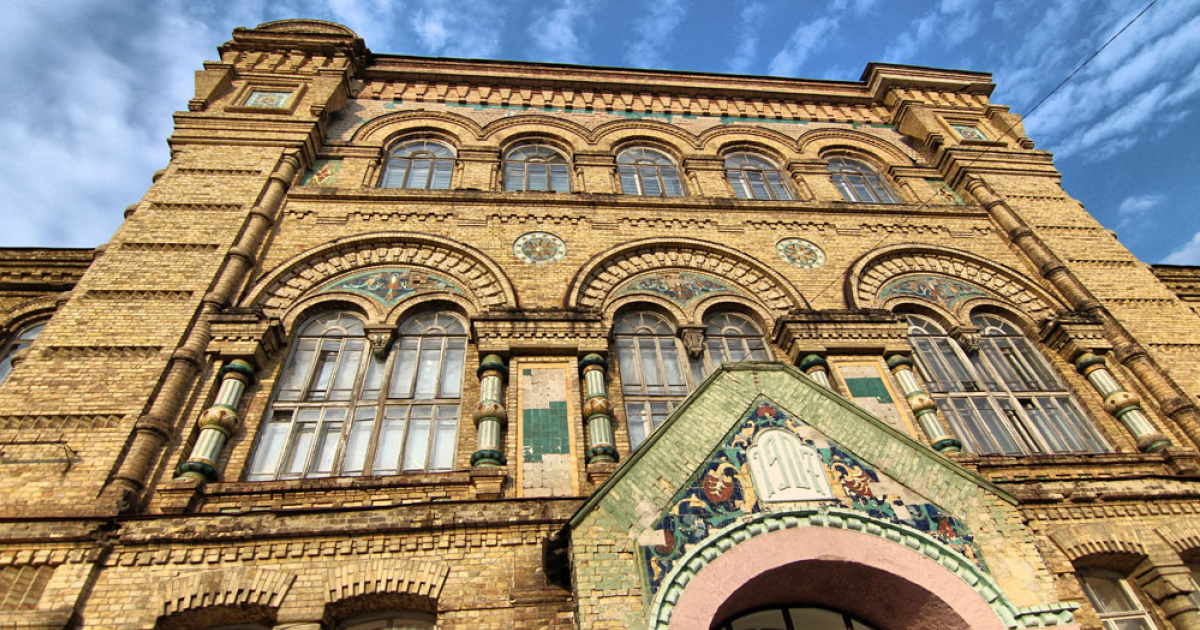
The first chronicle mention of Lubny dates back to 1107. At that time, a battle took place near the ancient city in which the Rus’ princes defeated the armies of the Polovtsian khans. Later, the region suffered a series of attacks, and in 1239, the city was destroyed by the Mongol-Tatars. Lubny did not disappear from history but gradually recovered and developed over the following centuries. Interestingly, the very name of the city is likely connected to an ancient craft. According to one theory, it derives from the word “lub”—the inner layer beneath a tree’s bark. Local residents may have used it to make various items. This theory also explains the connection between the name Lubny and the forests that surrounded the city in ancient times.
Lubny During the Time of the Vyshnevetskys
An important period in the city’s history began at the end of the 16th century. At that time, Lubny and the surrounding lands came under the control of the Vyshnevetsky princes. It was during this period that the city began to develop rapidly as an administrative, commercial, and artisanal center. Prince Oleksandr Vyshnevetsky chose the picturesque area along the Sula River for his residence. In 1591, Lubny was granted Magdeburg rights. This provided the city with opportunities to develop local self-government, trade, and crafts. New workshops sprang up in the city, and fairs and trade flourished. Traces of the old crafts have been preserved even in modern place names—in particular, in the names of Lubny’s Kuzni and Oliynitsya streets.
Lubny became the eastern residence of the Vyshnevetsky princes and an important center of their vast estates on the Left Bank. In the city’s history, this period is often referred to as its golden age. Its location near the Sula River and trade routes helped the city develop economic ties with other settlements. In the centuries that followed, Lubny underwent many changes. The city gradually became an important administrative and commercial center of the Poltava region. In 1781, it received the status of a county seat in the Poltava Governorate, and various forms of local self-government operated here at different times.
Why City Day Is Celebrated on September 18
September 18, 1943, holds a special place in Lubny’s history. It was on this day that the city was liberated from Nazi occupiers during World War II. The traditional celebration of City Day is tied to this date. The city charter explicitly states that City Day is celebrated on the day of Lubny’s liberation from the Nazi invaders. For this reason, the September events have for many years combined festive and commemorative elements. The city hosted ceremonies, concerts, sports competitions, exhibitions, fairs, and various cultural events. Separate ceremonies were held to lay flowers at monuments and memorials. In this way, residents simultaneously celebrated the city’s birthday and honored the people who had liberated it.
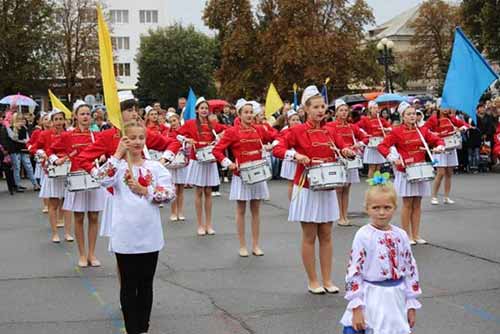
Under current circumstances, this tradition has taken on new meaning. Russia’s war against Ukraine has also affected the format of City Day. In recent years, large-scale entertainment events in Lubny have not been held on the same scale as before the war due to security concerns. In 2024, city authorities explicitly announced a ban on cultural and public events in the area due to martial law and the threat of shelling.
How Lubny Celebrates City Day Today
Despite the war, City Day remains an integral part of community life. In 2026, a series of cultural and historical-local history events were organized to mark the occasion. For example, on September 16, the traditional group exhibition of artists from the Lubny region opened at the Fine Arts Gallery of the Hnat Steletskyi Lubny Local History Museum. It served as a unique artistic gift to the city.
The exhibition features works by artists from the Lubny region, as well as pieces by renowned Ukrainian artists that were previously donated to the museum. In these paintings, Lubny appears in various guises—modern, serene, contemplative, and sunny. Such exhibitions help showcase the city not only through its historical milestones but also through the eyes of local artists. Another event marking City Day in 2026 is taking place at the Volodymyr Leontovych Lubny City Library for Adults. An exhibition-quiz titled “Famous and Unknown Lubny” has opened there. It brings together works of art about the city and local history publications covering its past and present. Visitors are invited to test how well they know the history of their hometown and to participate in a writing flash mob.
On September 11, on the eve of the festival, the library also hosted a historical and local history event titled “Lubny: Milestones in History.” Participants discussed the city’s journey from its earliest mentions to the present day. A local historian combined archival materials with works of art that mention Lubny. This format makes it possible to discuss the past not only through dates but also through stories and images of the city.
What Traditions Were Part of the Celebration
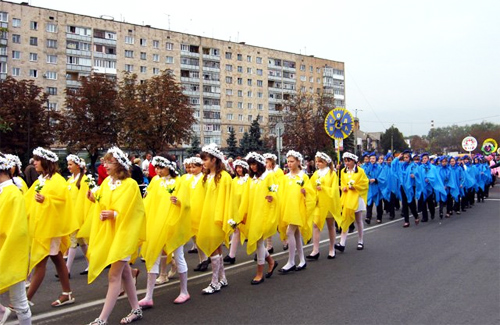
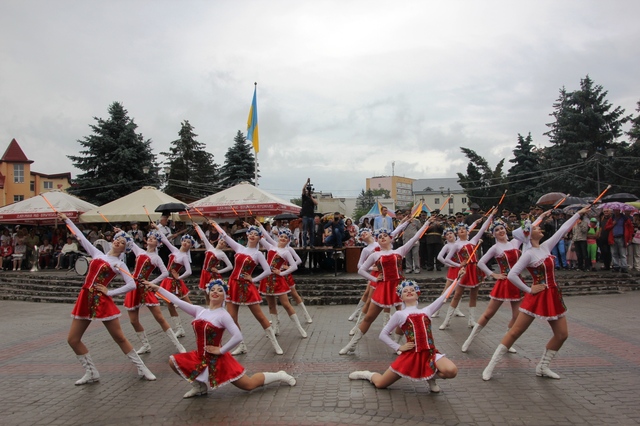
Before the full-scale war, City Day in Lubny was usually a major event for the entire community. The program could last several days and included sports, concerts, exhibitions, fairs, and various entertainment activities. In 2021, for example, there was a festive theatrical parade, a motorcycle ride, a brass band performance, and soccer and basketball tournaments. A large concert took place on Volodymyr Square.
Fairs and presentations by local producers were a separate tradition. On the central streets and squares, visitors could see products from Lubenshchyna enterprises, works by local artisans, and creations by schoolchildren and folk craftspeople. Workshops, open-air art sessions, and creative activities were held for children. Presentations of the community’s settlements were organized in the Culture and Recreation Park.
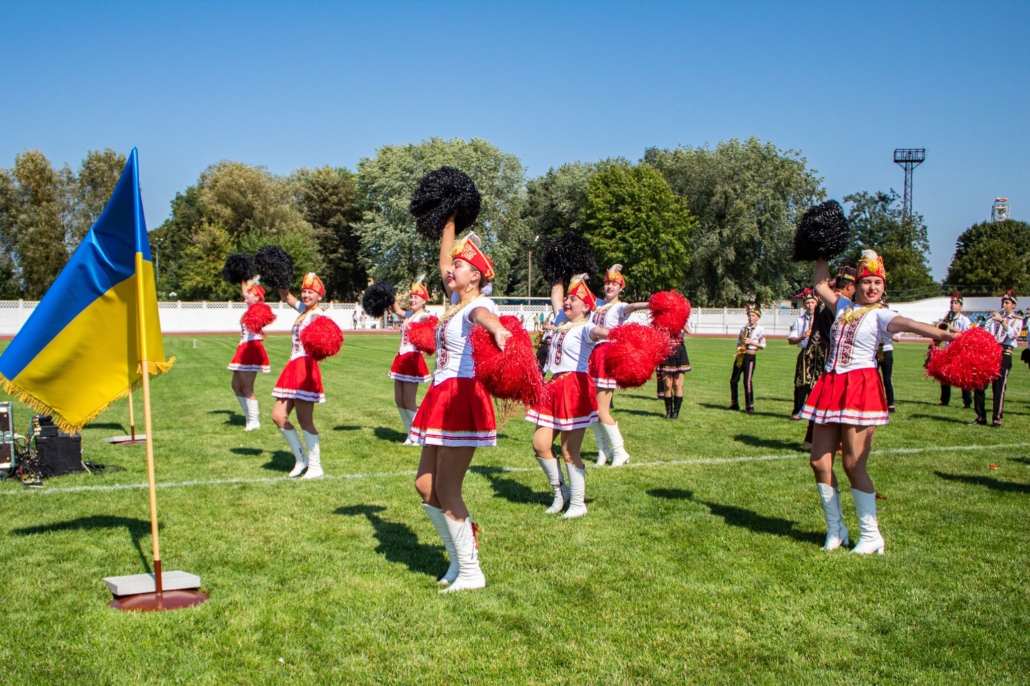
Sports events were an important part of the celebration. In various years, soccer, basketball, volleyball, and chess tournaments were held in honor of City Day. Athletes competed not only for medals but also for special cups and prizes dedicated to Lubny. Such events traditionally drew children, youth, and adults. Another important aspect was the arts. In September, exhibitions by local artists were opened, and concerts by amateur groups, literary gatherings, and local history tours were held. Libraries organized themed exhibitions dedicated to the city’s history. In other words, Lubny Day has always been not just about high-profile concerts, but also about helping residents learn about their own history and culture.
What’s Worth Seeing in Lubny
One of Lubny’s main features is the blend of ancient history and the modern city. Ancient defensive ramparts serve as a reminder of the times of Kievan Rus’. They are one of the city’s most prominent historical landmarks and attest to the fact that Lubny originated as a fortified settlement. Today, cultural and historical sites are located nearby.

Among the city’s famous landmarks are the Holy Trinity Church, the Hnat Steletskyi Lubny Local History Museum, and a memorial to an Old Rus’ warrior who defended Kievan Rus’. The latter is located on Yarmarkova Square. It is right next to this monument that artistic and cultural events have traditionally been held in September.
The Mharsky Transfiguration Monastery, located near Lubny, deserves special mention. It is one of the most famous historical landmarks in the Lubny region. The monastery is linked to the region’s centuries-old history and attracts tourists and pilgrims. Its history is part of the region’s broader cultural heritage.
Lubny also has its own municipal symbols. The city’s historic coat of arms was adopted in 1782. It depicts a hand holding a golden mace against a blue background. Today, the city has a coat of arms, a flag, and an anthem, which are used as the community’s official symbols.
What Makes City Day in 2026 Special
In 2026, Lubny will celebrate City Day amid a full-scale war. Therefore, there will be no customary large-scale festivities with numerous entertainment events. Instead, the focus will be on culture, history, remembrance, and community support. In the days leading up to the holiday, there are exhibitions, gatherings, and local history events. A special place is reserved for the memory of those who defended Ukraine. In its recent statements marking City Day, the Lubny City Council emphasizes that today’s celebrations cannot be separated from the Russia-Ukraine war and the memory of the fallen defenders. In 2025, during City Day events, community representatives laid flowers at the Alley of Heroes and honored the soldiers who defended Ukraine over the years.

This marks a significant shift in how the holiday is perceived. Previously, City Day was associated primarily with concerts, fairs, sports competitions, and large gatherings in the central squares. Now it is also a day of remembrance and gratitude. The residents of Lubny reflect on their city’s history, its past defenders, and the current servicemen and women who are defending Ukraine. At the same time, the city continues to go about its daily life. In 2026, sporting events, cultural activities, exhibitions, and gatherings are being held here. On the eve of City Day, the mayor also traditionally met with veterans of local government. During the meeting, they discussed the community’s work, current challenges, and support for the Armed Forces of Ukraine.
Interesting Facts About Lubny
Lubny is a city with over a thousand years of history. According to the city council’s official account, it was founded in 988. That is why, in 2026, the community is celebrating the city’s 1,038th anniversary. However, the earliest chronicle mention of Lubny dates back to 1107.
In 1591, Lubny was granted Magdeburg rights. This was a significant milestone for the city’s development, as it opened up broader opportunities for local self-government, trade, and crafts.
Lubny is located on the Sula River. It was precisely this proximity to the river that played a significant role in the city’s emergence and development. The Sula was part of the natural landscape that complemented the defensive system of the ancient fortress.
The city has very ancient defensive ramparts. They serve as a reminder of the times when Lubny was a fortress on the Posul Defense Line. Today, these remnants of ancient fortifications are part of the city’s historic character.
Lubny is associated with the Vyshnevetsky princes. In the late 16th and early 17th centuries, the city became their eastern residence and an important center of their domains on the Left Bank. It was then that the city received a new impetus for economic and urban development.


