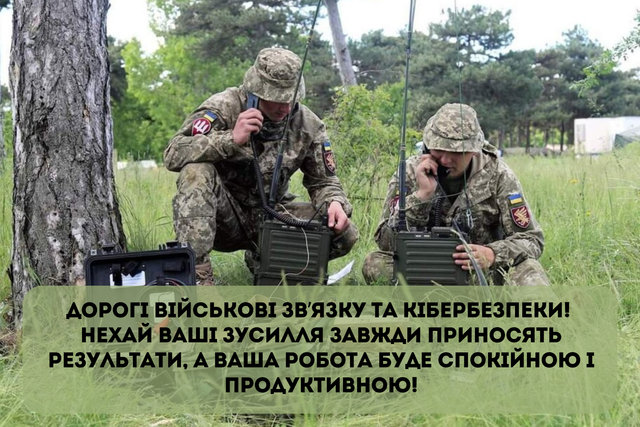
Holiday on August 8, 2026: Day of the Signal Corps and Cybersecurity Forces of the Armed Forces of Ukraine
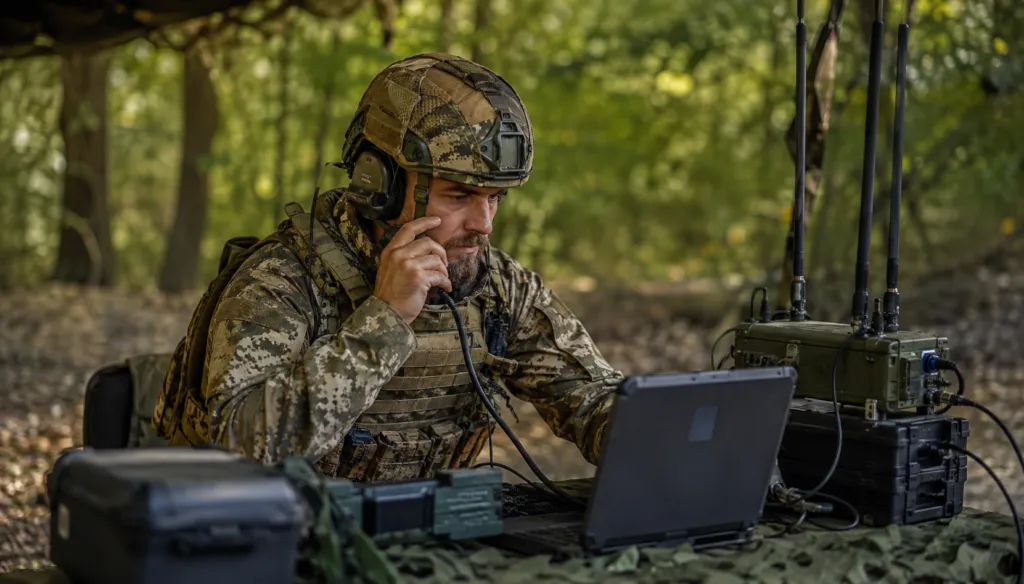
August 8 marks the Day of the Signal Corps and Cybersecurity Forces of the Armed Forces of Ukraine. This is a professional holiday for the military personnel responsible for maintaining communications between units, transmitting critical information, and ensuring the operation of combat command and control systems. Today, their service encompasses not only radio stations and wires, but also the protection of military information systems and countering threats in cyberspace.
Communications Forces Day in Ukraine is celebrated annually on August 8. This date was established by a decree issued by President Leonid Kuchma on February 1, 2000. The document noted that the holiday was established in recognition of the Signal Corps’ contributions to strengthening Ukraine’s defense capabilities.
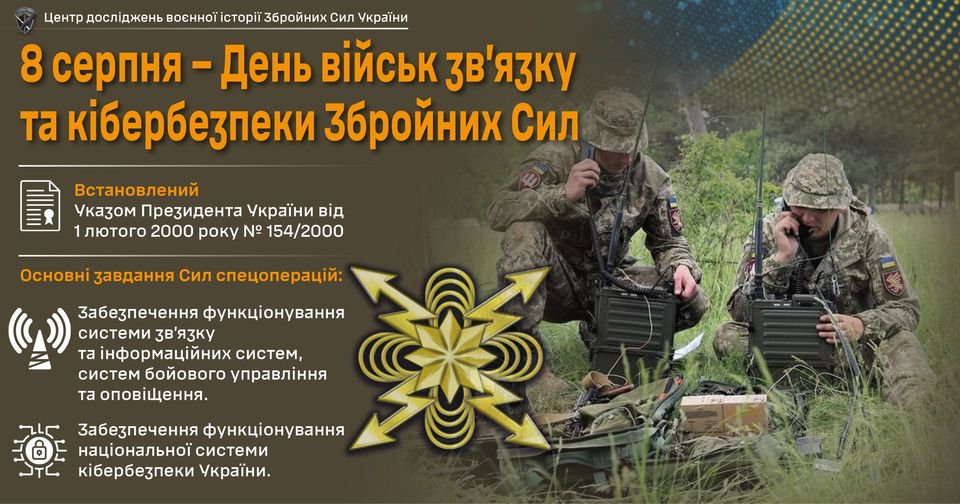
The date also has deeper historical roots. On August 8, 1920, training for military signal corps personnel began in Kyiv at the Kyiv Military Engineering Courses. It is this event that is associated with the choice of the date for the professional holiday. Therefore, August 8 is not just a day when military personnel receive congratulations. It is a date that commemorates the development of Ukraine’s military communications system and the people who ensure its operation.
Who Are Military Signal Corps Personnel?
Military signalers facilitate communication between various units of the Armed Forces. Their work is essential so that commanders can issue orders, receive information, and coordinate military operations. Officially, the Ukrainian Armed Forces’ Signal and Cybersecurity Corps is responsible for deploying and operating communications systems, information systems, combat control systems, and alert systems. Their units are part of various branches and services of the military.

To put it simply, a communications specialist must ensure that the necessary information reaches the right person at the right time. Moreover, communications must remain stable even when the situation on the battlefield is rapidly changing. This may involve working with radio stations, antennas, cables, digital systems, and other means of communication. Often, these specialists operate in areas where conventional infrastructure has been damaged or where using it is dangerous. That is precisely why military communications are not a secondary component of the army, but one of the cornerstones of its command and control.
Why Communications Are So Important in War
In war, information can be just as important as equipment or weapons. If units cannot exchange data quickly, the command loses the ability to respond promptly to changes. In 2024, Commander-in-Chief of the Armed Forces of Ukraine Oleksandr Syrskyi referred to communications as “the eyes and ears of the troops” and emphasized that without it, even a strong army becomes paralyzed. According to him, in the first hours of the full-scale invasion, Russia attempted to destroy Ukraine’s military communications system, but failed to do so.

“Communications are the eyes and ears of the army. Without communications, even the most powerful army becomes paralyzed,” Syrskyi emphasized. Therefore, communications specialists work not only to establish communication but also to ensure its resilience and protect information from the enemy. In the reality of a full-scale war, this is particularly important. Russia is attempting to disrupt Ukrainian communications systems, using electronic warfare capabilities and launching cyberattacks. As a result, military specialists must constantly adapt to new threats.
From Radios to Cyber Defense
Today, the concept of military communications is much broader than just radios or field phones. A modern army operates with digital systems, secure data transmission channels, information networks, and command-and-control systems. Cybersecurity is a separate area of focus. The Ukrainian Armed Forces’ communications and cybersecurity units participate in the operation of the national cybersecurity system and carry out cyberdefense missions. In other words, the conflict takes place not only on land, in the air, or at sea, but also in cyberspace.
For the military, this means a constant struggle to ensure data security. It is important not only to transmit information but also to ensure that the enemy cannot intercept, alter, or use it against the Ukrainian military. That is why a modern signals specialist is not just a soldier who works with equipment. They are specialists who must be well-versed in digital technologies, communications systems, and cybersecurity.
How Signal Corps Units Help on the Front Lines
During combat operations, signalers may work right near the front lines. They have to maintain communications amid shelling, troop movements, and equipment damage. Their work often goes unnoticed by the general public. When communications are working, the person on the other end of the line simply receives a message or order and doesn’t think about how much work went into it.
At the same time, a loss of communication can immediately reveal just how vital it is. If commanders and units cannot exchange information, coordinating combat operations becomes significantly more difficult. Military signalers also work with command and control systems and early warning systems. The speed at which information flows between different levels of military command depends on their work.
What Has Changed Since the Start of the Full-Scale War
Russia’s full-scale invasion has made the communications specialists’ tasks even more challenging. The military must operate under constant enemy interference and respond quickly to new technological challenges. In 2021, the Ministry of Defense reported on the active development of modern communications and cybersecurity systems. Among the priorities cited were the Ukrainian Armed Forces’ transition to modern digital communications and the enhancement of units’ technical capabilities.
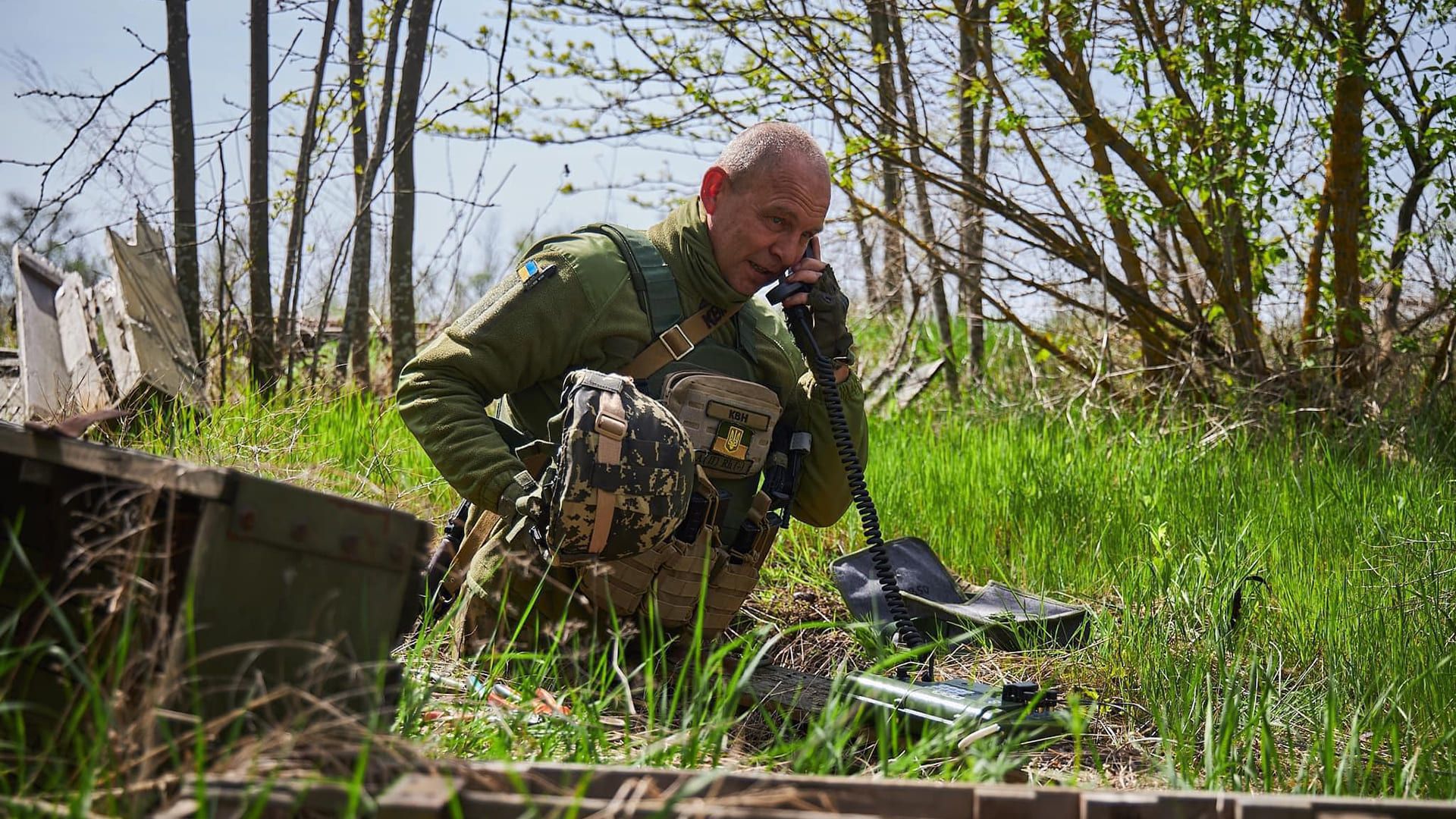
Over time, the role of these specialists has expanded even further. Today, the Signal Corps and Cybersecurity Forces constitute a separate branch of the Armed Forces of Ukraine, combining missions in the fields of military communications, information systems, and cyber defense. This also means constant training. Technology is changing very rapidly, so military personnel must master new equipment, digital solutions, and methods of information protection.
How Communications Forces Day Is Celebrated
This is a professional military holiday, so its observance is primarily associated with honoring active-duty service members and veterans. On this day, the command of the Armed Forces of Ukraine and other military structures congratulates communications personnel, thanks them for their service, and remembers those who died while carrying out combat missions.
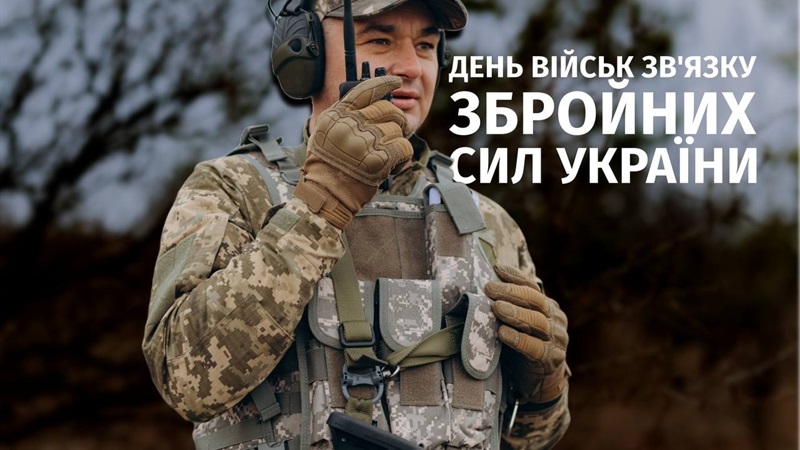
For example, on Signal Corps Day on August 8, 2023, Volodymyr Zelenskyy met with service members of the Signal Corps and Cybersecurity Forces and presented them with state awards. Military units may hold commemorative events, award ceremonies, and meetings with veterans on this day. Special tribute is paid to the service members who died defending Ukraine. Congratulatory messages typically highlight their professionalism, resilience, reliable communications, and the importance of these specialists’ work for the entire army.
Interesting Facts About the Holiday
The date has a history spanning over a century. On August 8, 1920, training for military signalers began in Kyiv. It was this event that became one of the symbolic milestones for the modern professional holiday.
The holiday was officially established in 2000. On February 1 of that year, President Leonid Kuchma signed Decree No. 154/2000, establishing Communications Troops Day.
Today, signal corps personnel are responsible for more than just communications. The tasks of the modern Signal Corps and Cybersecurity Forces also include cyber defense and the protection of information systems.
Communications can be a matter of life and death. In combat situations, the rapid transmission of information allows for the coordination of units, the transmission of orders, and the issuance of warnings about danger.
The profession has become significantly more technologically advanced. Modern military signal corps personnel work with digital systems and equipment, not just traditional means of communication.
Their work often goes unnoticed. If the connection is stable, it’s hard to notice. But it is precisely this invisibility that often means the specialists have done their job well.
Why This Day Is Important
Communications and Cybersecurity Forces Day is an opportunity to recognize the military personnel who fulfill one of the basic needs of a modern army: the ability to stay connected and exchange information securely. During a full-scale war, their scope of work has expanded even further. Now it involves not only cables, radios, and antennas, but also digital systems, data protection, and cyber defense.
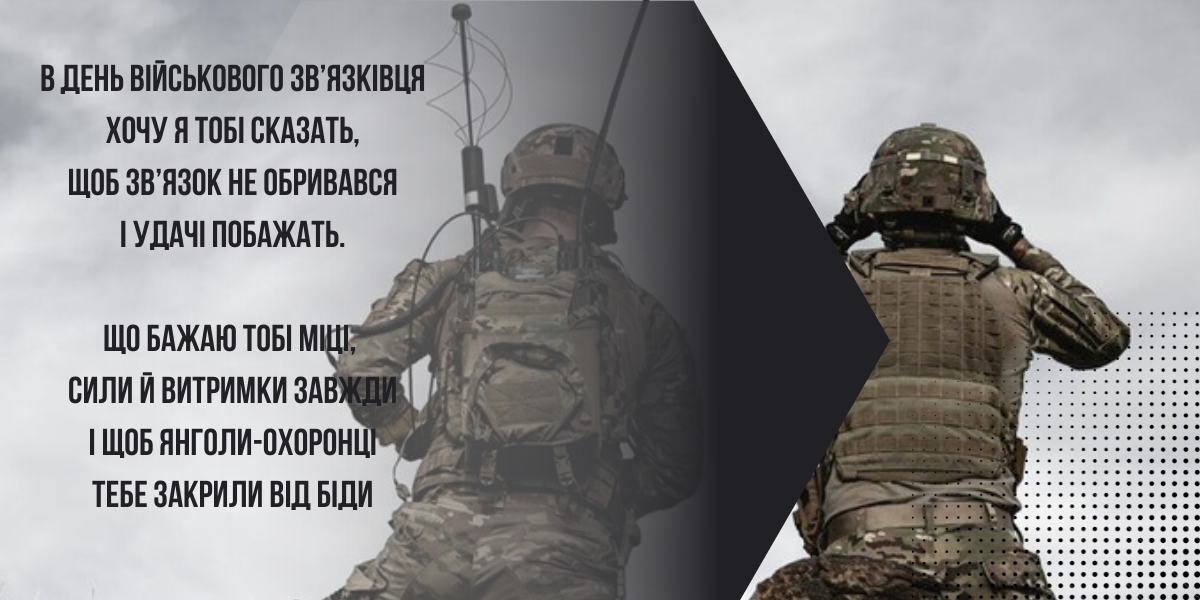
According to Syrskyi, communications specialists ensured that Ukrainian forces remained under command during the first hours of the full-scale invasion. Therefore, this professional holiday is not just a date on the calendar, but an occasion to recognize the contribution of these service members to Ukraine’s defense. On August 8, Ukrainians honor those who help the military hear, see, transmit information, and act in unison. And as long as the war continues on the front lines, reliable communications remain one of the essential conditions without which it is impossible to effectively command troops.