
Church Holiday on July 21, 2026: Who Is Honored and What Are the Traditions of the Day?
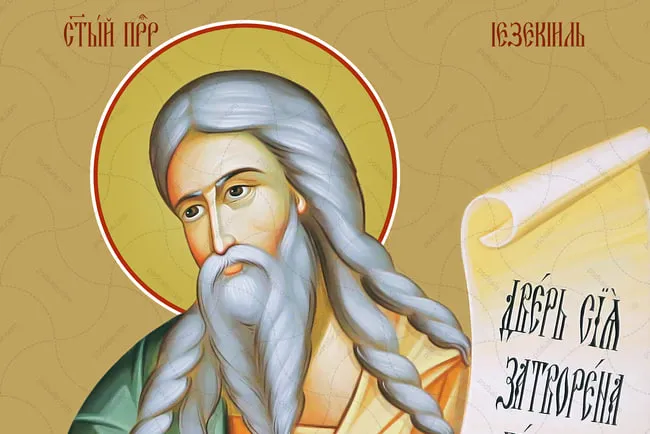
On July 21, 2026, according to the New Julian calendar, the Orthodox Church of Ukraine commemorates the Holy Prophet Ezekiel, the Venerable Simeon, Christ’s Fool for Christ’s Sake, and John, his fellow ascetic, as well as the Venerable Onuphrius the Silent and Onesimus the Hermit of the Kiev-Pechersk Lavra.
In the folk calendar, this day is known as the Feast of Onuphrius the Silent or the Silent One. Believers turn to the saints in prayer, asking for spiritual strength, wisdom, health, and protection.
Religious Holidays and Their History
Saint Ezekiel the Prophet
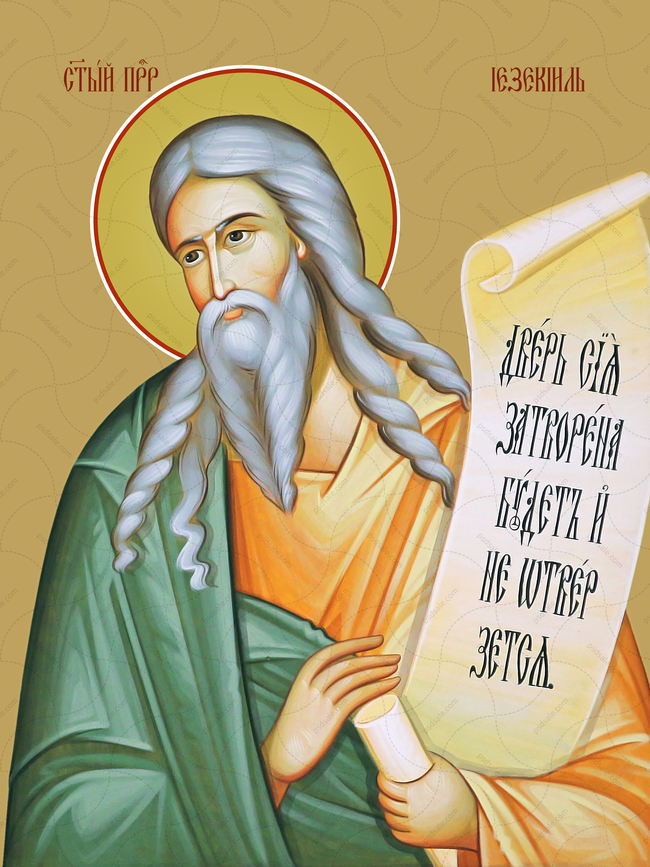
Saint Ezekiel the Prophet is one of the four great Old Testament prophets. He lived in the 6th century B.C., came from a priestly family, and was taken into Babylonian captivity following the conquest of Judea.
According to biblical tradition, Ezekiel began his prophetic ministry after a vision by the River Hovar. He called on the people to renounce idolatry, injustice, and spiritual indifference, emphasizing that sincere repentance opens the way to spiritual renewal.
One of the most famous episodes in the Book of Ezekiel is the vision of the valley of dry bones that came to life. In Christian tradition, this image symbolizes hope, resurrection, and spiritual rebirth.
The Venerable Simeon and John
These Syrian ascetics lived in the 6th century. After a pilgrimage to Jerusalem, they took monastic vows and spent many years in the desert. Later, Simeon undertook the particularly difficult ascetic practice of holy folly for the sake of Christ — he set out for the city of Emesa, where, under the guise of eccentric behavior, he concealed his learning in order to expose evil and help the poor and sick without seeking human glory. John remained in the desert as his spiritual companion.
The Venerable Onuphrius and Onesimus of the Kiev Caves
According to church tradition, Onuphrius lived in the 12th century and observed a vow of silence until the end of his life, for which he was given the nickname “the Silent One.” Onesimus, who lived at the turn of the 12th and 13th centuries, spent his life in solitude, prayer, and fasting, for which he is called “the Hermit.”
The relics of both saints now rest in the Near Caves of the Kyiv-Pechersk Lavra.
Believers turn to these saints with prayers for spiritual strength, patience, restraint in speech, and help in overcoming life’s difficulties.
Prayer of the Day
Orthodox prayer books do not contain a commonly used canonical prayer specifically addressed to the Holy Prophet Ezekiel. However, one may turn to him with a short prayer of praise.
Holy Prophet of God Ezekiel, pray to God for us. Ask the Lord for wisdom, strong faith, patience, and the strength to remain faithful to His commandments. Help us to avoid sin, strengthen us in hope, and teach us to trust in God’s will. May the Lord, through your prayers, grant us spiritual renewal, peace in our hearts, health of soul and body, and blessings for good deeds.
Amen.
It is also traditional to address the saint with a brief liturgical prayer.
Saint Ezekiel the Prophet, pray to God for us! Amen.
Folk Beliefs and Superstitions
In the folk calendar, this day is known as Onuphrius the Silent or the Silent One.
Since ancient times, it has been considered a good tradition on this day to work more and speak less. That is why the holiday was associated with restraint in speech, peace in the family, and hard work.
Householders also traditionally prepared their pantries, cellars, and utility rooms for the fall, tidyed up the house, sorted through belongings, dried provisions, and engaged in home preservation—making jams, compotes, kvass, and other seasonal products.
According to folk beliefs, on this day people would also collect so-called “silent water” before dawn, which was used for washing and sprinkling the home.
The Church advises spending the day in prayer, good deeds, and reconciliation with one’s neighbors.
Folk tradition associated a number of weather signs with July 21:
- morning dew—a sign of a hot and clear day;
- morning or evening fog—signals warm weather;
- light rain—a good mushroom harvest;
- a thunderstorm—a bountiful grain harvest;
- a cold night—an early winter;
- a heavy downpour – a wet fall;
- loud chattering of magpies – a sign of a mild winter.
What Not to Do
The Church does not impose any specific daily restrictions for this day.
At the same time, Christian tradition urges people to avoid:
- quarrels and humiliating others;
- lies, slander, and the spreading of unverified information;
- envy, insults, and cruelty;
- breaking one’s own promises;
- indifference toward people in need.
Folk superstitions:
- It is not recommended to use sharp objects unnecessarily.
- You should not invite unwelcome guests into your home to avoid family disputes.
- It is not advisable to swim in open bodies of water, as it is believed that the water is already losing its summer warmth.
- Until Apple Savior Day, folk traditions advise against eating raw apples—it is recommended to process them (dry them or make compote).
What church holiday is celebrated on July 18?
What church holiday is celebrated on July 17?


