
"Detention centers are increasingly becoming places where citizens are deprived of their freedom," says Lubinets
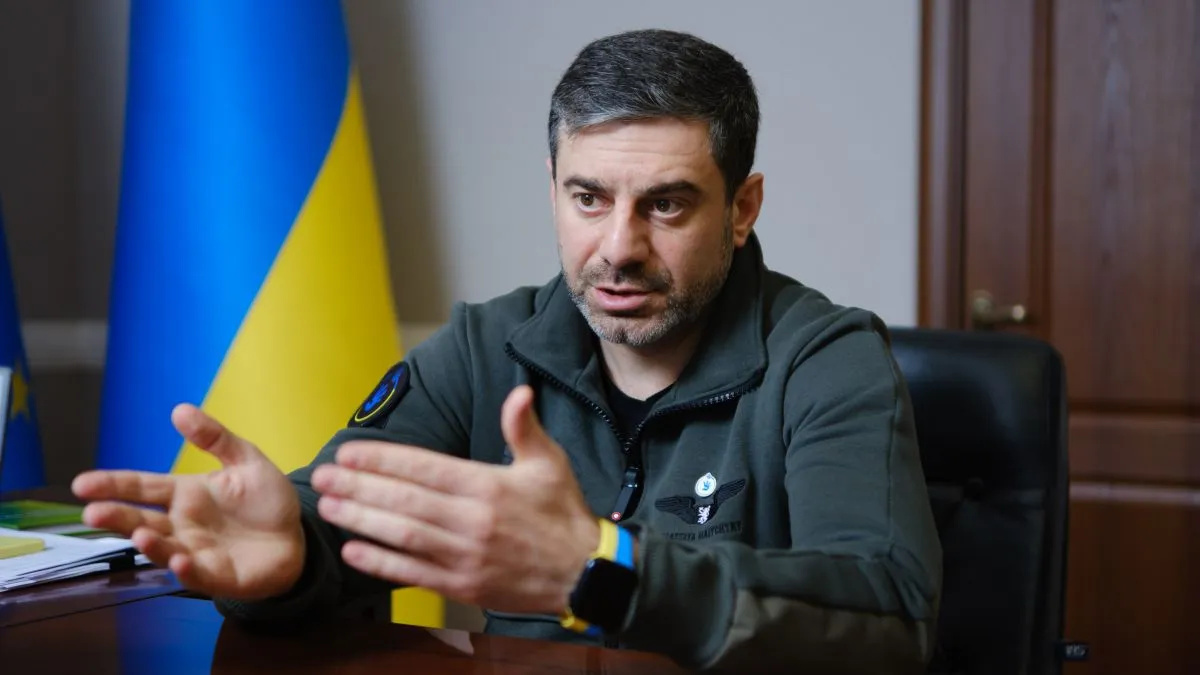
Territorial Recruitment and Social Support Centers (TRSSCs) in Ukraine are increasingly becoming places where citizens are deprived of their liberty, and authorities typically respond to identified human rights violations only after public outcry arises.
This was stated by the Verkhovna Rada Commissioner for Human Rights, Dmytro Lubinets. According to him, the Ombudsman’s office began systematic monitoring of TCS facilities as early as 2025 and currently plans to significantly expand the scope of inspections across the country.
The Ombudsman cited several specific examples of law enforcement and local military commanders ignoring official recommendations. In particular, the leadership of the Bila Tserkva TCC and SP ignored recommendations to address violations for two months, and repair crews were sent there only the day after the issue gained media attention. A similar situation of inaction arose at the Uzhhorod Regional TCC and SP, where representatives of the monitoring group were forced to publicly disclose the facts of the violations due to the local police’s refusal to enter the relevant information into the Unified Register of Pre-trial Investigations.
Dmytro Lubinets separately emphasized that state institutions are obligated to respond promptly to official complaints immediately upon receipt, without allowing the situation to escalate into public scandals. The Commissioner’s Office continues its work in this area, having identified the strengthening of oversight over the observance of the rights of conscripts as one of the key priorities of its monitoring activities.
Oleksandr Yarmoshevych, former head of the Territorial Center for Employment and Social Protection in Rivne, who was previously implicated in a high-profile scandal involving a video recorded in his office, declared income from several places of employment and savings.
Denis Oliinyk, director of the Kharkiv Regional Employment Center, declared real estate, vehicles, and his family’s income; some of the property is registered in the names of relatives.


