
The nesting of the endangered golden plover has been recorded in Chernobyl for the second time

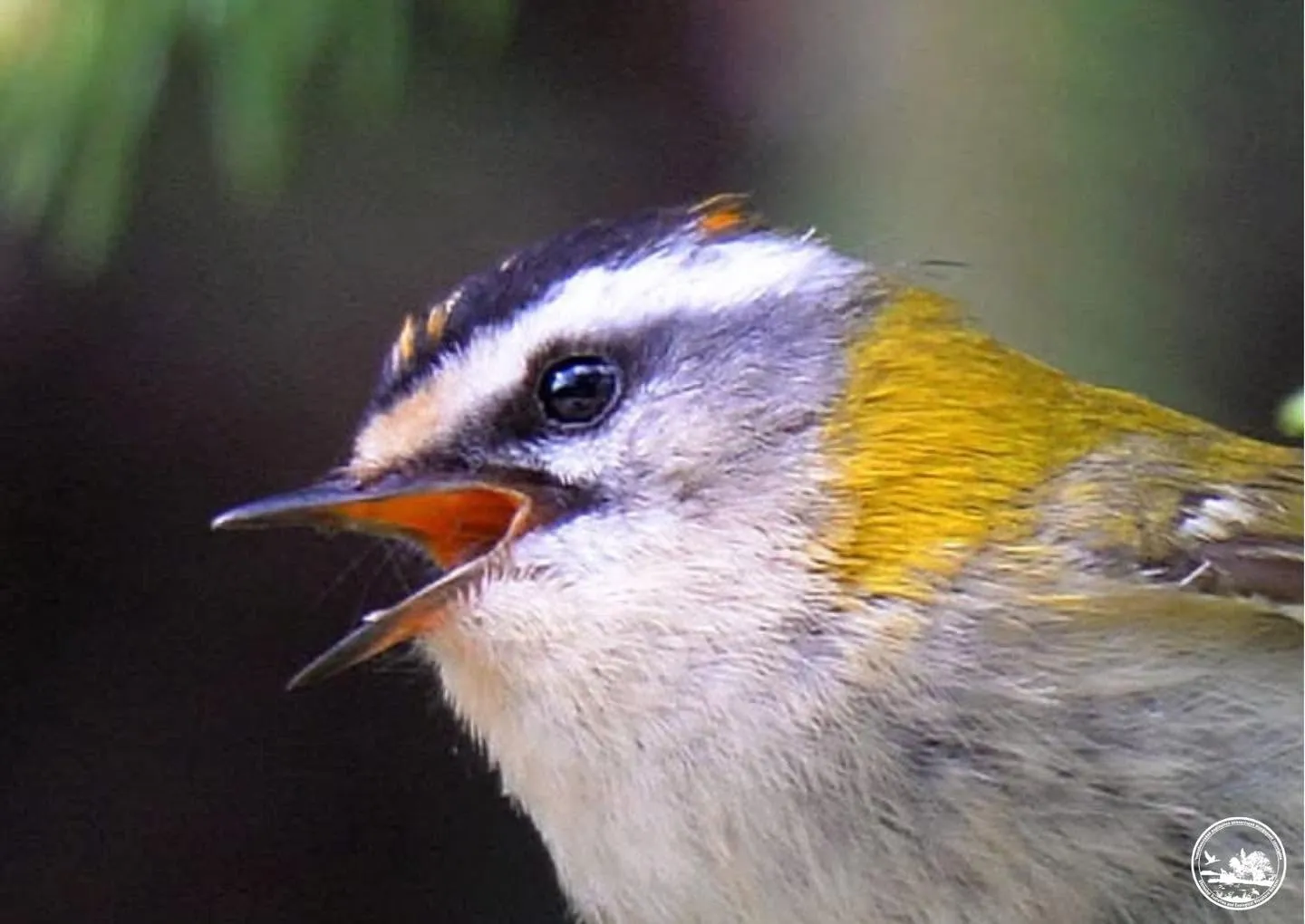
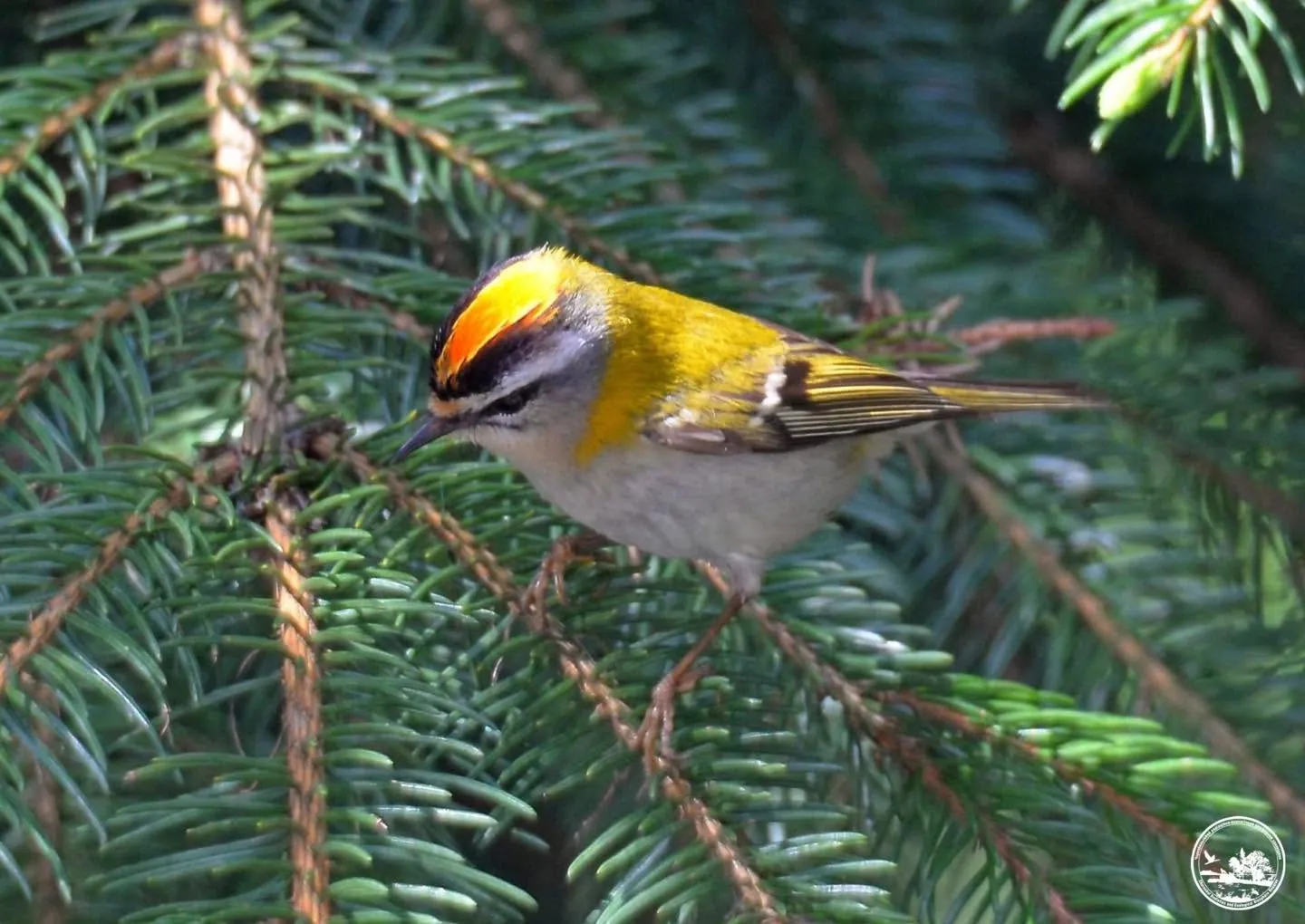
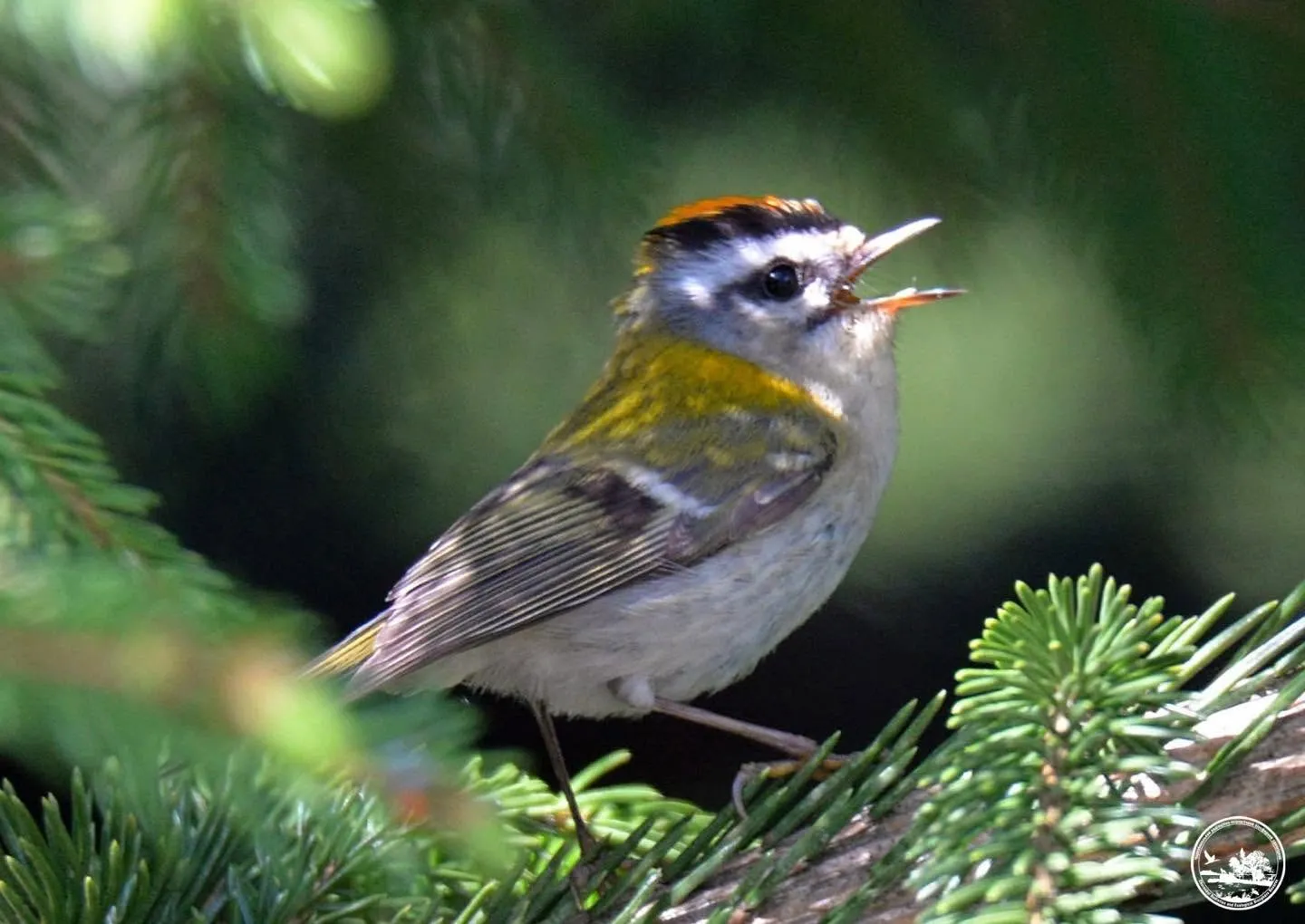
In the Chornobyl Radiation and Ecological Biosphere Reserve in the Kyiv region, the nesting of the crested goldcrest—Ukraine’s smallest bird and a species listed in the Red Book—has been recorded for the second time.
During field observations, scientists spotted a male regularly bringing insects to the nest, which may indicate that he is feeding the chicks.
“During observations, we spotted a male regularly bringing insects to the nest, which is a likely sign that he is feeding the chicks. Interestingly, the spruce plantings near the administrative buildings in Chernobyl may have played a role in the appearance of this rare species. It is coniferous trees that create favorable conditions for the red-crested goldcrest to nest and forage,” the reserve noted.
The red-crested goldcrest is one of the rarest birds in Ukraine. An adult weighs only five to seven grams, making it the smallest bird in the country.
Two species of goldcrests inhabit Ukraine:
- the yellow-crested goldcrest, which is most commonly found in the Carpathians and Polissya;
- the red-crested goldcrest, listed in Ukraine’s Red Book and found mainly in the Carpathians and Crimea.
These birds prefer coniferous forests, especially spruce forests, although they may also be found in shrublands during seasonal migrations.
Their diet consists mainly of small insects, spiders, and larvae, which they find among the pine needles thanks to their slender beaks.
“Goldcrests feed on small invertebrates—insects, spiders, and larvae—which they skillfully extract with their thin beaks from among the pine needles. Due to their small size, they have a very fast metabolism: in winter, they spend over 97% of their time searching for food, as they eat as much in a day as they weigh themselves!” the reserve previously reported.
Another distinctive feature of this species is its flight pattern, which resembles that of a hummingbird or a butterfly, as the bird hovers near branches in search of food.
As of October 2025, there were about 400 pairs of red-crested goldfinches in Ukraine.
“Hearing a red-crested goldcrest is a real stroke of luck. Often, it is by their song that ornithologists spot these tiny birds among the dense fir trees, as it is very difficult to make them out in the pine needles. Its song resembles a series of short whistles following one after another,” note the reserve’s experts.
The repeated confirmation of this rare species nesting within the Chernobyl Reserve indicates favorable conditions for its reproduction and the preservation of its population in Ukraine.
This was reported on the Facebook page of the Chornobyl Radiation-Ecological Biosphere Reserve.
Earlier, a herd of feral cows appeared in the Chernobyl Exclusion Zone after the animals were left without owners.
A unique natural event took place in the center of the city of Chernobyl: six white storks landed on the roof of an administrative building near the “Star of Polyn” memorial. This is a sensational event, as the last time white storks nested in the city itself was twenty years ago.
As a reminder, the previous owners—Odarka and Hrytsyk—returned on April 5–6 to the nest in the Pyriatyn National Nature Park, where a new pair of storks—Kvitka and Lel—had formed on April 2.


