
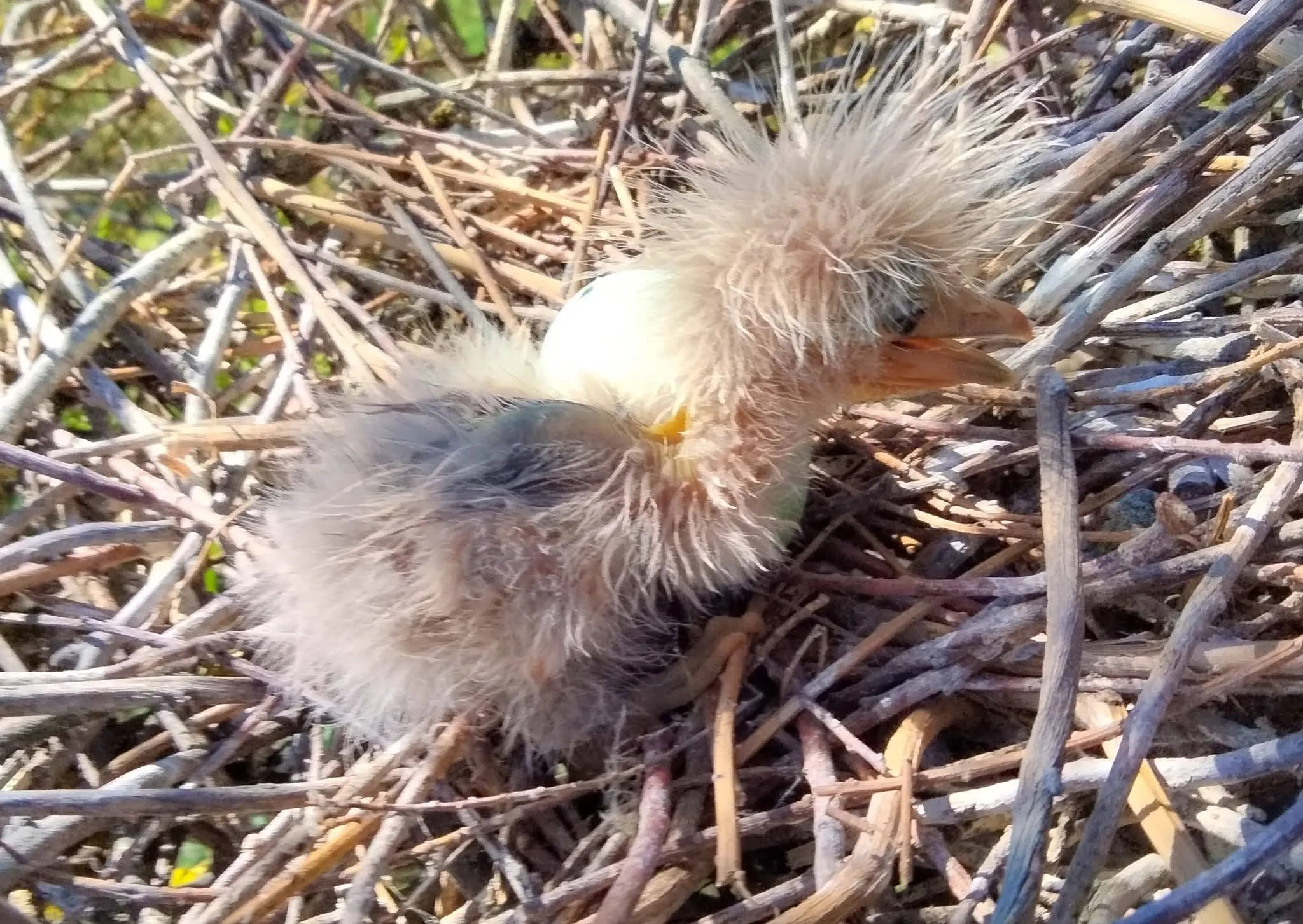
Chicks of the rare night heron have hatched in the Tuzly Estuaries National Park
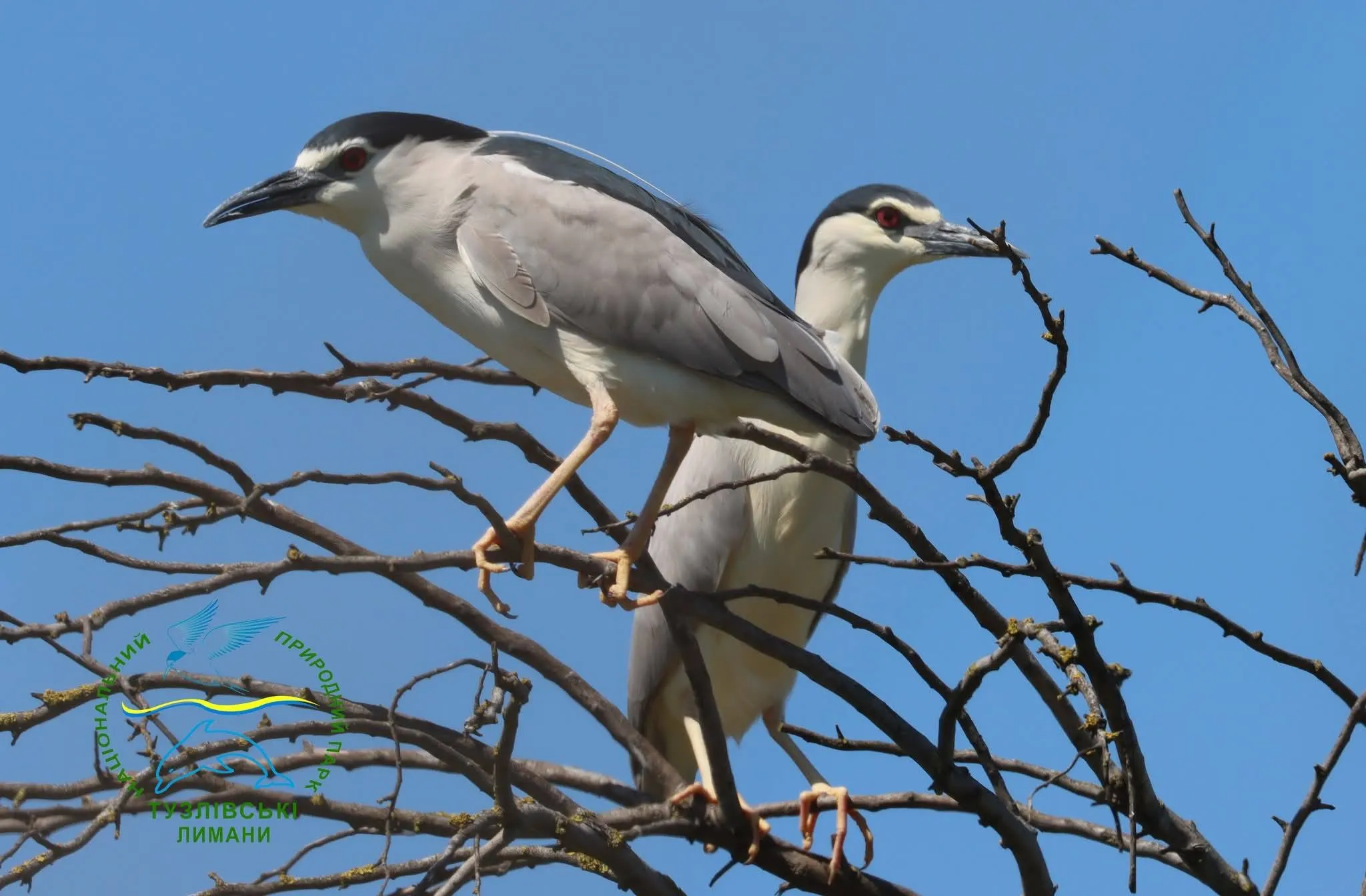
Chicks of the red-eyed "night heron," or bittern, have hatched in the Tuzly Estuaries National Park in the Odesa region.
This event has become a real sensation for ecologists and conservationists.
The last time chicks of this species were seen there was before the start of the full-scale invasion, said scientist Ivan Rusev.
The return of the birds indicates a gradual restoration of the natural balance in the protected area.
Russian military aggression has caused serious damage to the local fauna, forcing many animals to seek safer havens.
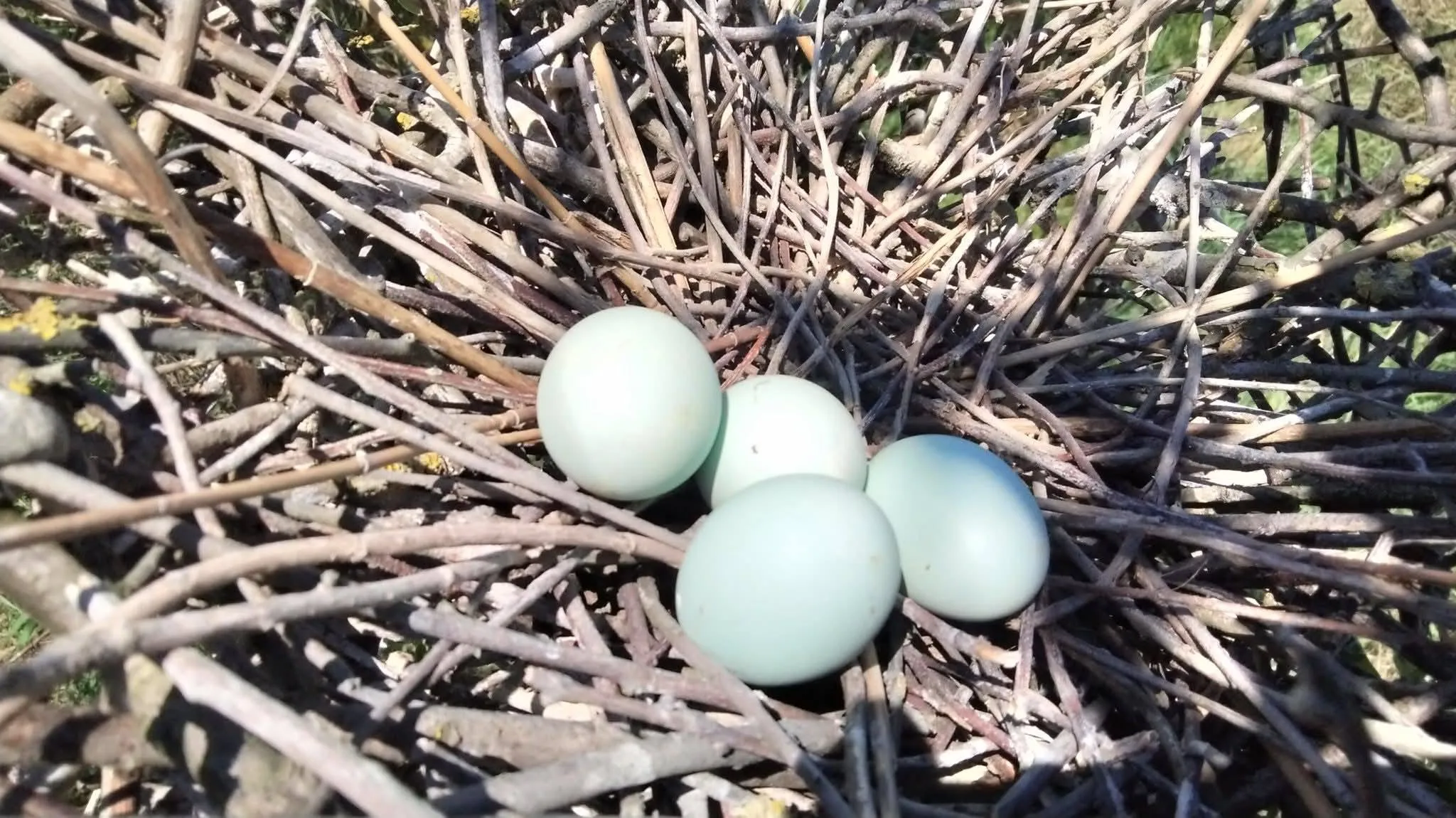
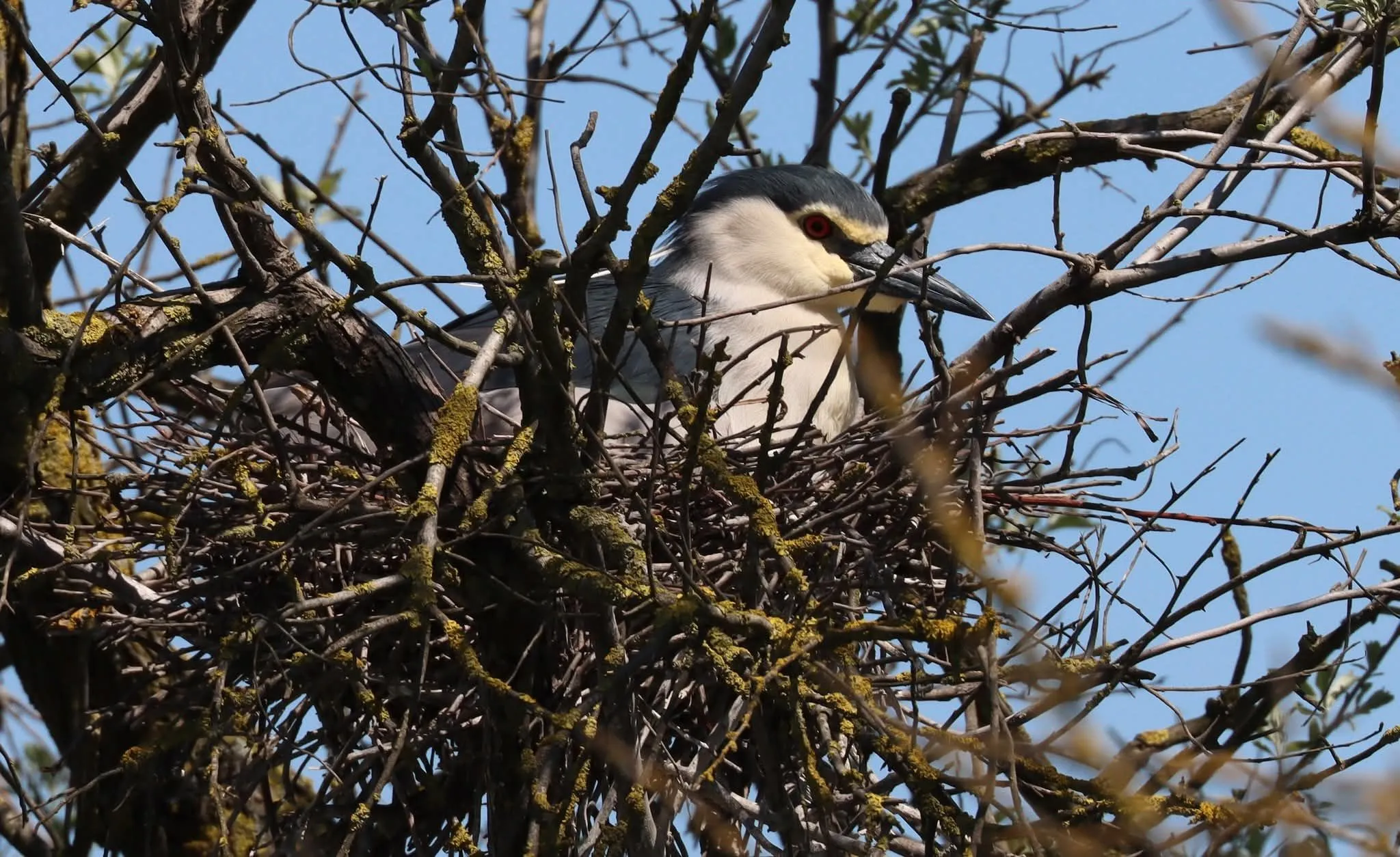
In 2022, due to heavy bombing and other sounds of war, the bitterns abandoned their previous nesting colony.
Instead, the birds found a new home—in a grove of wild olive trees on a sandy spit of the Black Sea. Now, after returning from Africa, the birds have begun to settle and raise their young at their former nesting site once again.
This member of the avian fauna possesses unique anatomical and behavioral characteristics that set it apart from its relatives. “The night heron” is one of the most mysterious and interesting members of the heron family, writes Rusev.
The bird’s Latin name—Nycticorax—translates to “night raven.” It received its Ukrainian name due to the characteristic sounds it makes, which resemble a frog’s croak or a crow’s caw.
The birds’ unusual activity during the dark hours of the day is due to the specifics of their diet and natural instincts.
Although most herons are quite silent, members of this species emit a sharp, loud, and hoarse sound at dusk or at night.
Additionally, bitterns differ from their “relatives” in their habit of hunting after sunset rather than during the day. For this purpose, they have large crimson-red eyes adapted for seeing in the dark, explains Rusev.
The appearance of adult birds changes significantly depending on the season and their biological cycle. Adult birds have a white belly, ash-gray wings, and a dark gray or black back and cap.
During the breeding season, two to four long, narrow white feathers resembling ribbons grow on the back of the males’ heads. The color of the birds’ legs also changes from yellow-green to bright pink or black to attract females.
The young, however, have a completely different coloration, which helps them survive in the wild amidst numerous threats. Young "night crows" do not acquire their adult plumage until their third year of life.
Until then, they have brownish-gray feathers, densely covered with white and pale yellow spots.
“This is perfect camouflage, allowing the young heron to blend completely into the background of dry reeds or willow branches, saving it from predators,” explains Rusev.
Rare birds have flown to the Odesa region from Africa
In New Zealand, a mammal won the “Bird of the Year” contest for the first time


