
Ukraine has secured the establishment of a new nature reserve in Antarctica — NASC
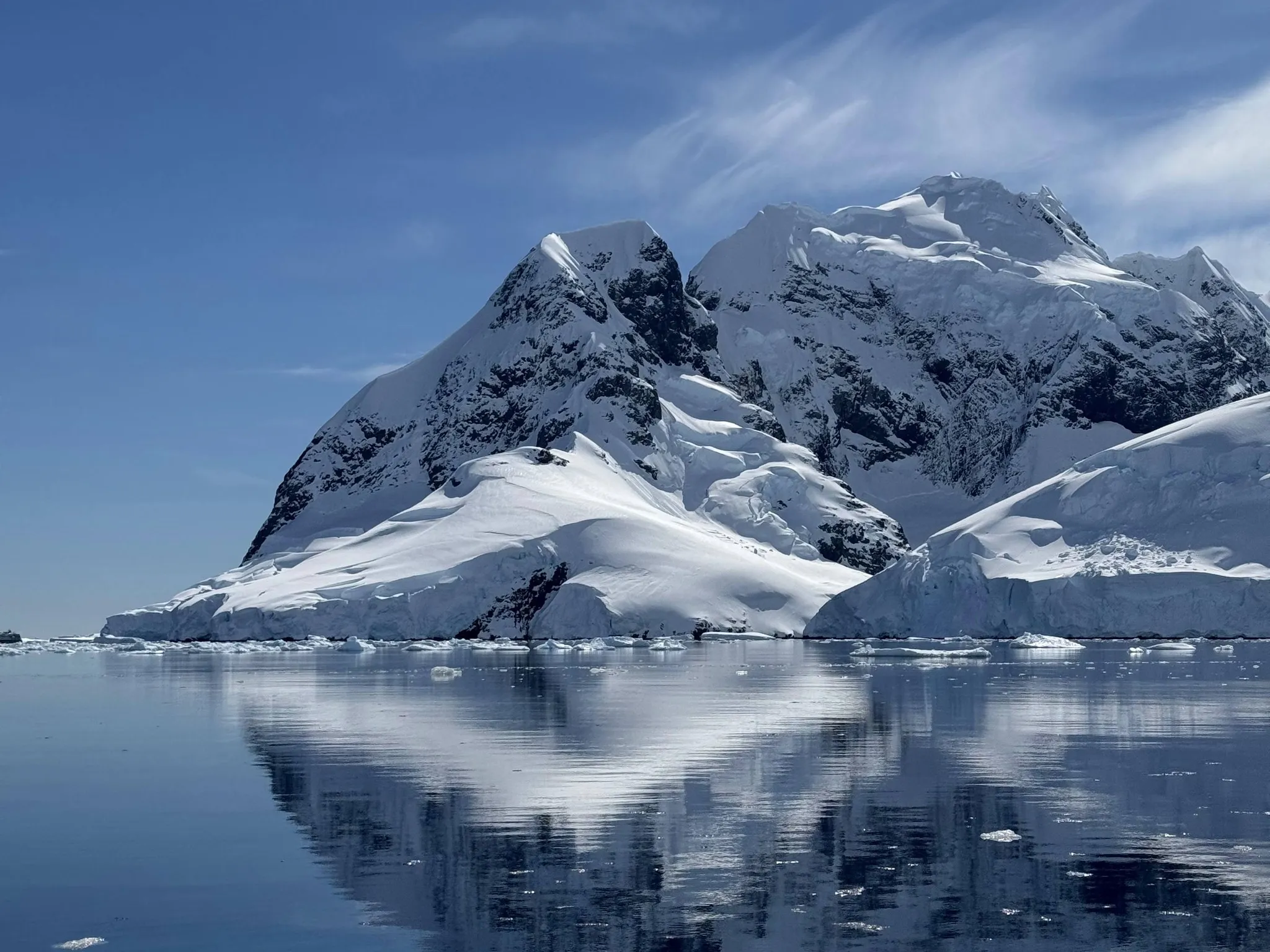
Ukraine’s initiative to establish a new Specially Protected Area in Collins Bay, near the “Akademik Vernadsky” Antarctic station, received support at the 48th Consultative Meeting.
The press service of the National Antarctic Scientific Center (NASC) announced the adoption of this important environmental decision on Monday.
The international event took place from May 11 to 21 in the Japanese city of Hiroshima.
The new initiative by Ukrainian scientists aims to preserve unique natural ecosystems that have recently been subject to significant human impact.
“The new nature reserve covers five separate areas in Collins Bay. They are known for their unique moss ecosystems, bird colonies, glacial landscapes, and rich biodiversity. The goal of the Ukrainian initiative is the long-term protection of these ecosystems from increasing tourism and the negative effects of climate change,” the agency’s statement reads.
During the international summit, heated discussions also took place regarding the expansion of the membership of the Consultative Parties to the Antarctic Treaty. Currently, the total number of countries participating in the global agreement stands at 58.
However, only 29 countries, including Ukraine, hold the special elite status of Consultative Party, which grants the exclusive right to vote on all key issues concerning the region’s vital functions.
Three foreign states have already officially submitted their applications for Consultative Party status, namely Canada, the Republic of Belarus, and Turkey.
The Ukrainian diplomatic delegation supported the applications of Canada and Turkey but strongly advocated for postponing consideration of the Republic of Belarus’s proposal due to its international stance.
This decision sparked serious controversy among some other participants in the meeting.
In particular, representatives from India expressed the view that all states, without exception, are worthy of Consultative Party status. New Delhi insists that under such an approach, this status should be granted to all candidates simultaneously or to none at all.
The Ukrainian side reacted sharply to the attempt to block the integration of new constructive partners into the Antarctic governance system.
Yevhen Dykyi, head of the National Antarctic Scientific Center, criticized the Indian position, comparing it to destructive international actions.
He noted that “such practices resemble tactics used by terrorist regimes and highlight a broader crisis in consensus-based legal systems, where individual parties abuse their veto power to exert pressure.”
Antarctica has seen rapid ice melt and a climate shift
An ice repository for future science has been created in Antarctica.
Arcticice reached a record low in 2026.
Glaciers in the tropics are melting faster than predicted, scientists say.


