
In Ukraine, there are proposals to lower the passing score for the National Multidisciplinary Test due to the war and disruptions during the testing process
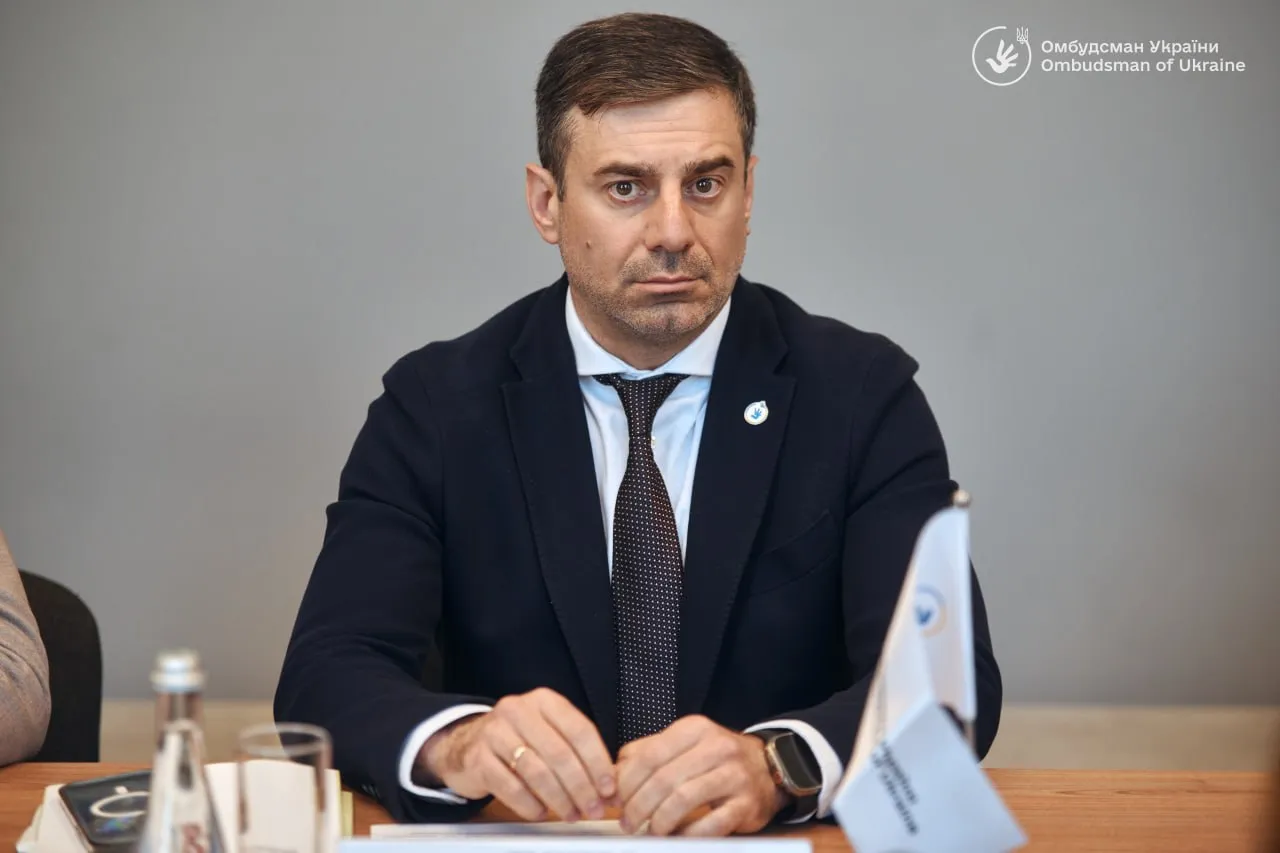
Ukraine is considering lowering the passing score for the National Multidisciplinary Test (NMT) from 150 to 130 points due to the difficult conditions under which exams are being administered during martial law.
According to the ombudsman, this year’s test-takers are taking the NMT amid a constant threat of shelling, air raid alerts, and technical glitches.
In addition, the testing process is often accompanied by:
- interruptions to exams due to air raid alerts;
- spending many hours in bomb shelters;
- technical glitches in the testing system.
Because of this, Lubinets emphasizes, the results of the National Multidisciplinary Test are influenced by external circumstances rather than solely by students’ knowledge, which creates unequal conditions for admission and increases the psychological strain on graduates.
“The right to education cannot depend on technical glitches or poor organization. The state must adapt the education system to wartime conditions, rather than forcing children to pay for its shortcomings with their own futures,” emphasized Dmytro Lubinets.
In addition to lowering the passing score, Lubinets, along with the Union of Rectors of Higher Education Institutions of Ukraine, proposed a series of changes:
- restore the right to appeal incorrect test questions;
- publish the tests and correct answers after the National Multidisciplinary Test is completed;
- to allow children in detention facilities (more than 150 teenagers) to take the test.
The Ombudsman also noted that organizing the National Multidisciplinary Test in 2025 is fraught with significant difficulties due to the war.
In particular, in Odesa, due to air raid alerts, test-takers were forced to remain in exam centers for over 13 hours.
According to his data, only some regional centers are equipped with shelters for administering exams:
- Sumy and Kharkiv regions — 100% coverage;
- Mykolaiv, Chernihiv, and Cherkasy regions — about 90%;
- Kyiv Oblast — about 70%;
- Rivne Oblast — about 50%.
Lubinec emphasized that during 138 monitoring visits in 2025, cases of shelters being in poor condition or absent altogether were recorded at certain institutions.
There were also instances where students, due to technical glitches, were unable to take their exams on the scheduled date and were forced to take make-up exams.
This was reported by Dmytro Lubinets, the Verkhovna Rada Commissioner for Human Rights.
The main session of the 2026 National Multidisciplinary Test (NMT) is coming to an end, and some participants have already complained about the difficulty of certain tasks. In particular, they cited questions that allegedly went beyond the school curriculum, as well as “tricky” phrasing.
A petition to the Cabinet of Ministers of Ukraine calling for the cancellation of the mandatory NMT in mathematics in 2027 did not gather the required number of signatures for consideration.
Participants in the main NMT sessions, who took the test on June 4 and 5, can now view their official results on a 100–200-point scale in their personal accounts.
Earlier, the Ukrainian Center for Educational Quality Assessment commented on the situation in the Odesa region, where participants in the National Multidisciplinary Test spent nearly 13 hours at the testing center due to prolonged air raid alerts. According to the agency, graduates were offered the option to reschedule the exam for an additional session, but they declined and decided to wait until the testing was over and take the NMT on the same day.
As a reminder, foreigners in Ukraine may be required to take a paid Ukrainian language exam.


