
Educational institutions will receive 2.3 billion hryvnias to prepare for winter — Svyrydenko
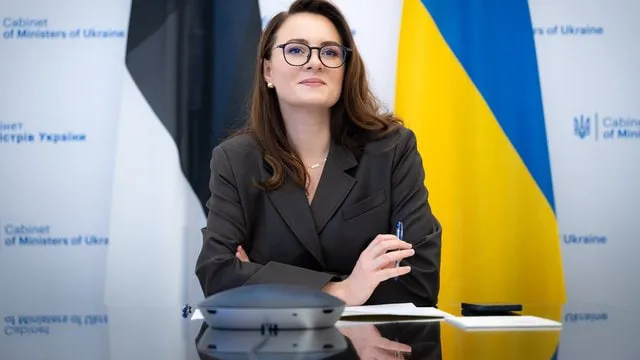
The government has allocated 2.3 billion hryvnias to support schools, colleges, and universities as part of preparations for the heating season, Yulia Svyrydenko reported. The funds will be used to purchase backup power sources, upgrade infrastructure, repair damaged educational facilities, and ensure they are ready for operation during the winter.
"Of this amount, nearly 500 million hryvnias are earmarked for schools to purchase backup power systems, batteries, solar stations, and other equipment. Vocational pre-higher education institutions will receive 417 million hryvnias. Of this amount, 217 million UAH will be allocated to cover utility costs, and another 200 million UAH will go toward preparing more than 80 of the largest colleges for the heating season and enhancing energy independence," Svyrydenko wrote on her Telegram channel.
In addition, universities will receive 600 million hryvnias for cogeneration plants, solar power stations, and energy storage systems, with another 275 million hryvnias allocated to cover utility costs. An additional 500 million hryvnias will be allocated for the restoration of damaged universities, the construction of shelters, and the purchase of necessary equipment.
"All schools, colleges, and universities must be properly prepared for the 2026/2027 heating season to ensure an uninterrupted educational process," the prime minister emphasized.
This was reported by Ukrainian Prime Minister Yulia Svyrydenko.
Mathematicsmust remain a mandatory subject on the NMT — Svyrydenko.
An alternative bill regarding changes to the format of the National Multidisciplinary Test (NMT) has been registered in the Verkhovna Rada. The document proposes reducing the number of subjects to be tested from four to three. In this case, mathematics would become an elective subject.
The registration in the Verkhovna Rada of a bill proposing to remove mathematics from the list of mandatory subjects for the NMT starting in 2027 has sparked outrage in the educational and scientific communities.


