
Zelenskyy signed a law to reform the public procurement system
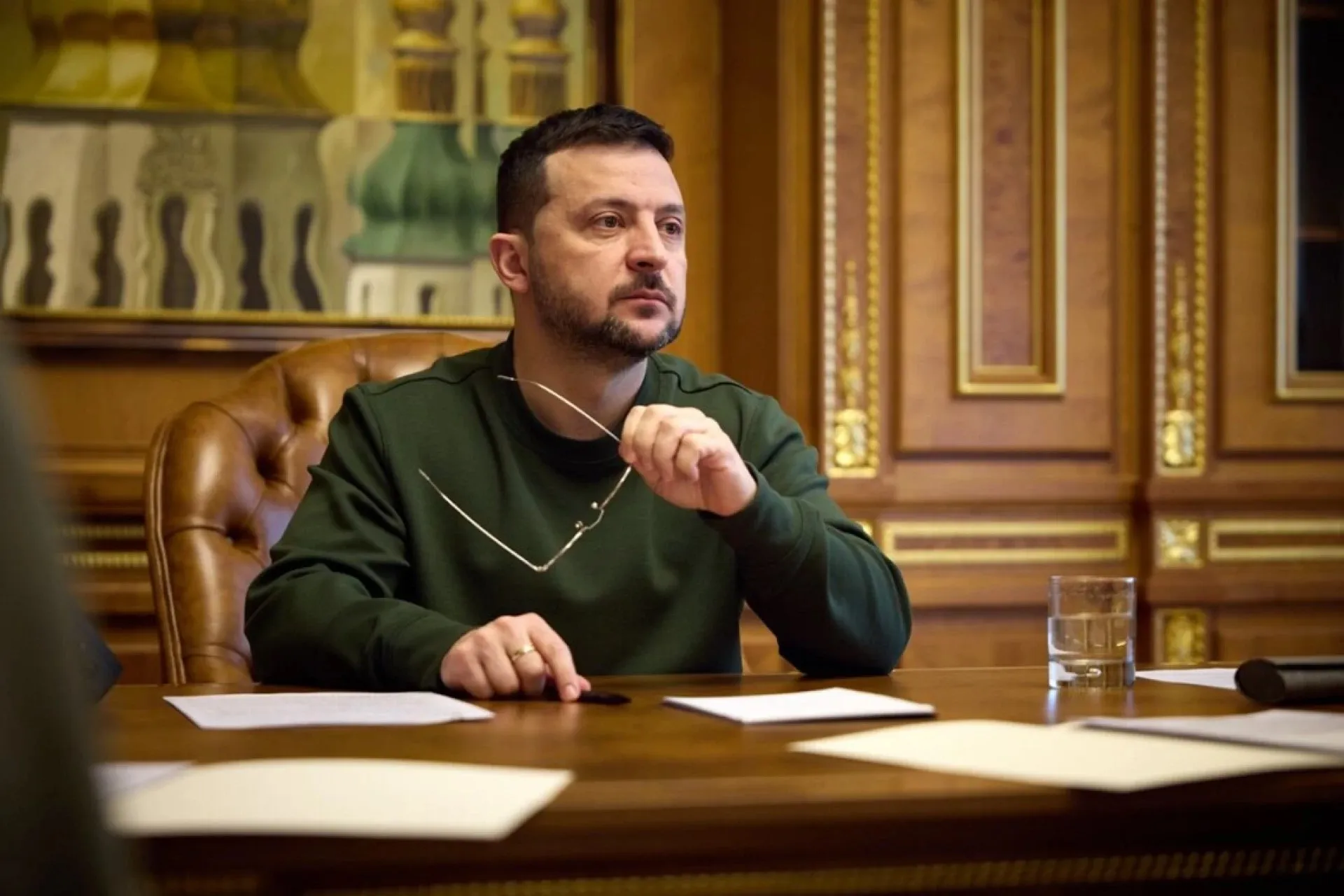
On June 24, President Volodymyr Zelenskyy signed the Law “On Public Procurement,” which provides for a comprehensive overhaul of public procurement procedures. The law aims to bring the system into line with European standards and the requirements for Ukraine’s integration into the EU.
The law is also part of agreements with the World Bank and will unlock $3.5 billion in financial support for Ukraine.
According to the Explanatory Note, the law is intended to serve as an effective tool for saving budget resources, strengthening the trust of international partners, and improving the efficiency of public spending. The document will also help strengthen Ukraine’s position in negotiations on accession to the European Union.
Its provisions are primarily aimed at establishing a modern, transparent, competitive, and efficient public procurement system that meets the state’s needs under martial law, during Ukraine’s post-war recovery, and in accordance with our country’s international obligations.
According to explanations from the Ministry of Economy, Environment, and Agriculture, the new rules regulate the mechanism for dividing large procurements into lots, which will prevent large players from monopolizing contracts and open access to large-scale tenders for small regional companies.
In addition, for the first time, businesses will have the opportunity to submit alternative bids, offering their own technologically superior or more cost-effective solutions. The document also standardizes relationships with subcontractors and modernizes the use of framework agreements and dynamic purchasing systems, allowing companies to plan their work in advance without having to constantly gather documents from scratch.
In addition to supporting the domestic market, the document is of key importance for Ukraine’s European integration, as it is aimed at implementing Directive 2014/24/EU, according to the parliament’s website.
Earlier, Zelenskyy signed a law strengthening oversight of judicial integrity.
Prior to this, an electronic petition was officially registered in Ukraine addressed to the Cabinet of Ministers, proposing a fundamental change in the current approaches to financing the judicial system and the introduction of financial incentives for judges based on KPIs.
In the Poltava region, judges threatened reprisals following a decision to arrest a defendant.
The High Council of Justice dismissed six judges.


