
Analyst Urges NATO to Assess Russia’s Ability to Reconstitute Capabilities — Breaking Defense
NATO should assess not only the ability of Russian forces to adapt on the battlefield in Ukraine, but also the ability of the Russian Federation — the aggressor state — to reconstitute military capabilities after losses, rotations and personnel changes. Roger McDermott, a specialist in Russian military strategy, expressed this view in an article for Breaking Defense.
The author notes that Russia’s war against Ukraine has given Moscow substantial combat experience in the use of drones, electronic warfare, reconnaissance and fire strikes, air defense, logistics and assault operations. At the same time, the successful experience of an individual brigade or specialized unit does not mean that the entire Russian army is capable of consistently replicating the same result.
From Field Experience to Systematic Training
According to McDermott, the General Staff and the Ministry of Defense of the aggressor state, Russia, are trying to create an institutional system for consolidating combat experience, teaching it, testing it and subsequently reproducing it. It may include groups for analyzing lessons of war, command-and-control bodies, military-scientific committees, research institutes, military higher education institutions, training structures and industry.
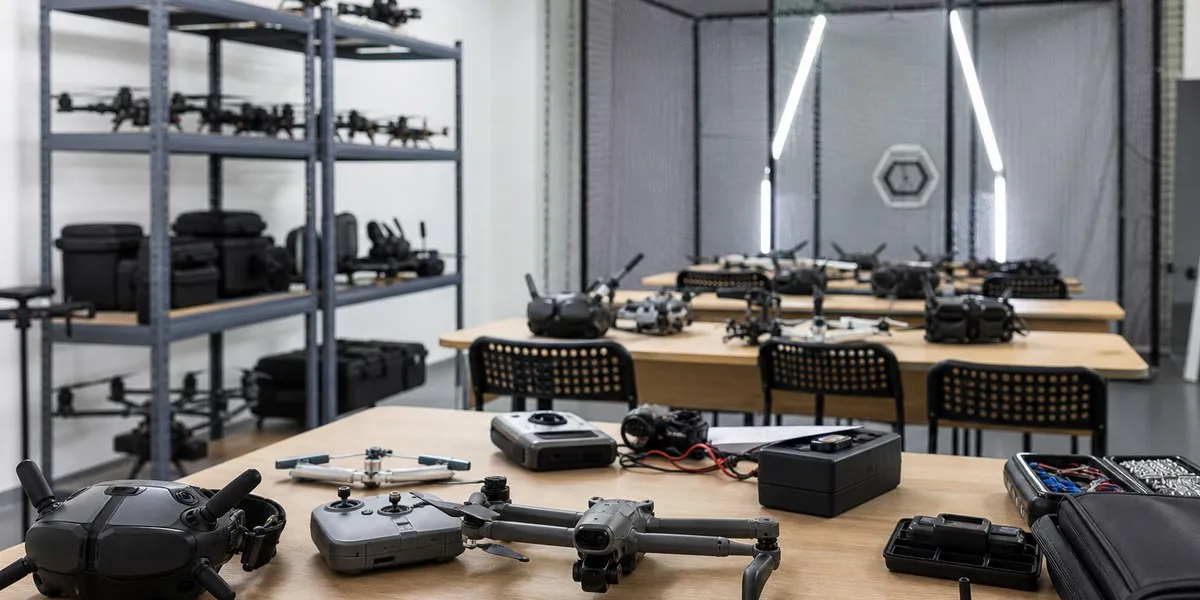
The author cites the development of Russian unmanned systems as an example. At the initial stage, this area developed unevenly, with the participation of military units, volunteers, commercial manufacturers and specialized organizations. However, he considers attempts to create permanent command structures, specialized education, training centers, repair and supply systems, and mechanisms for forming fully fledged units to be more important.
More current news is available on the UA.News Telegram channel Telegram.
In July 2026, Russia’s Ministry of Defense stated that it had trained more than 8,000 specialists for the Unmanned Systems Forces during the first half of the year. The ministry also claimed that training is shifting from individual specialist training to collective training of formed units using equipment assigned to them.
What NATO Is Proposed to Monitor
McDermott believes that NATO intelligence should supplement the traditional assessment of force structure, available equipment and production rates with an analysis of Russia’s ability to repeatedly form combat-capable units. Among possible early indicators, he names changes to military educational curricula, the emergence of new specialties and qualification systems, instructor appointments, expansion of training centers, updates to collective training standards, the organization of repairs and new command links.
The author also calls for exercises and operational planning to take into account the speed at which Russian forces can restore a disrupted capability. The destruction of a group of experienced specialists can have a significant effect if their experience has not been transferred to others. But if the structure already has trained replacements, standardized procedures and established supply, the consequence of a strike may be only a temporary disruption of operations.
At the same time, McDermott cautions that the institutionalization of experience in the Russian army will not necessarily be successful: lessons may become outdated before they are disseminated among the troops, scaling up may reduce quality, and approaches effective in Ukraine may not work under different conditions.


