
The Russian military has sharply slowed the pace of its offensive on the front lines — ISW
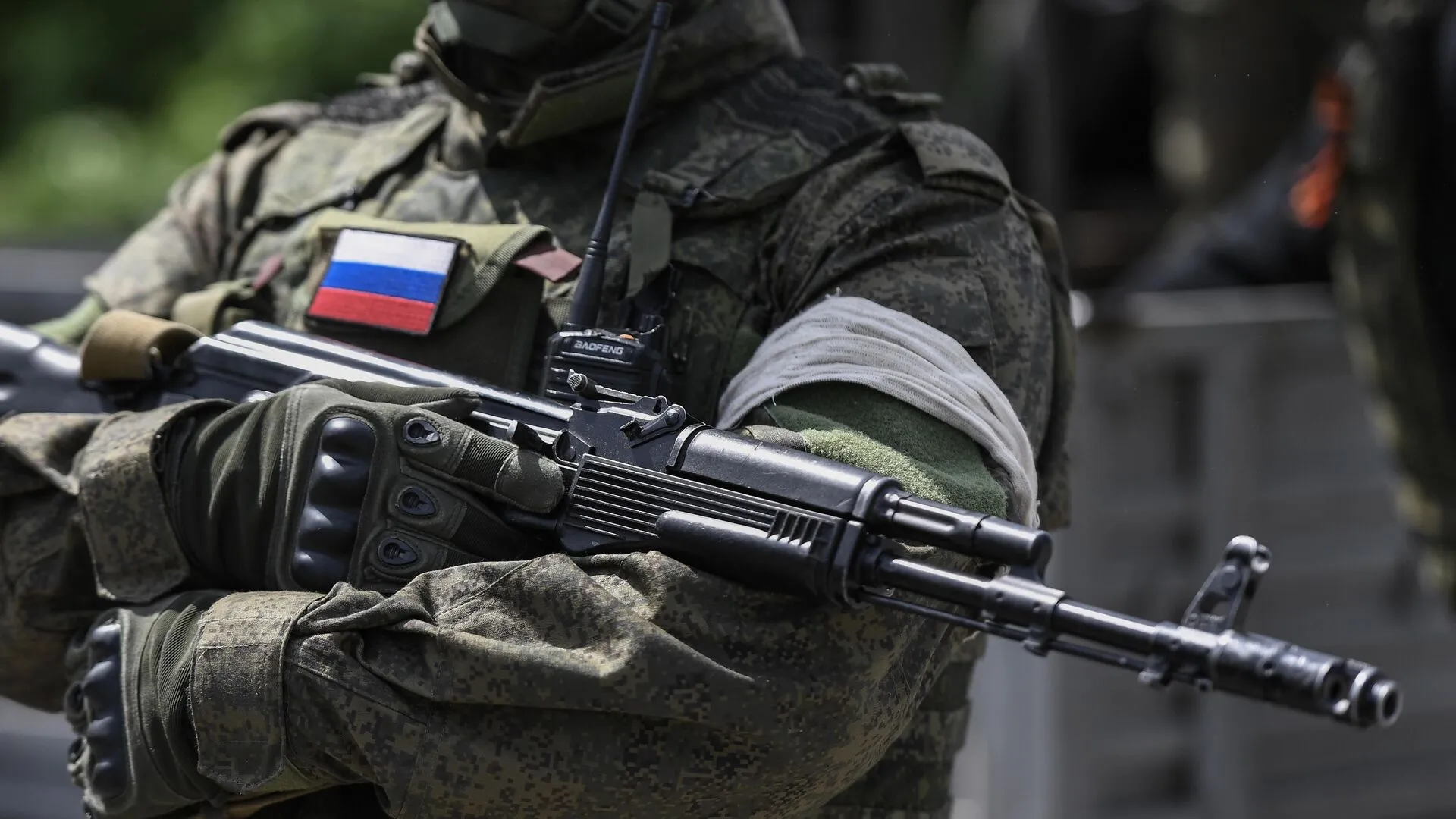
The pace of the Russian Federation’s occupying forces’ advance slowed significantly in March 2026, marking the lowest level of territorial gains since the start of the full-scale invasion.
According to a recent report by the Institute for the Study of War (ISW), the aggressor failed to implement its strategic plans on most fronts.
According to military analysts, during the first month of spring, Russian forces managed to capture only 23 square kilometers of Ukrainian territory.
This indicates a sharp decline in the enemy’s offensive capabilities, as this figure stood at 319 square kilometers in January and 123 square kilometers in February.
ISW experts emphasize that such a lull and low effectiveness of the enemy’s offensive operations have not been observed since at least September 2023.
This outcome is the result of a combination of factors, chief among them the successful actions of the Ukrainian Defense Forces.
“The situation on the front lines is the best it has been for the Defense Forces in the last 10 months,” analysts emphasize in their report.
Local counteroffensive operations by Ukrainian defenders in the southeastern sectors of the front forced the Russians to abandon their previously held positions.
Internal technical problems on the aggressor’s side also played a significant role in the deterioration of the Russian offensive.
In particular, this refers to widespread disruptions in the operation of “Starlink” satellite communication terminals, which the enemy attempted to use to coordinate its units.
In addition to technical difficulties, the command and control of Russian troops was affected by restrictions on access to the “Telegram” messenger, which remained the primary channel of operational communication between field commanders.
The Russian occupiers suffered their most significant losses in positions along the southern section of the front.
In particular, active combat operations in the area of the administrative border between the Donetsk and Dnipropetrovsk regions allowed Ukrainian units to stabilize the line of defense.
As a reminder, in March, Russian occupiers used chemical munitions nearly 400 times.
The Ministry of Defense reported how much Ukrainian territory the Russian Federation seized in March.




