
The evacuation from Oleshky will take place in three stages — Lubinets
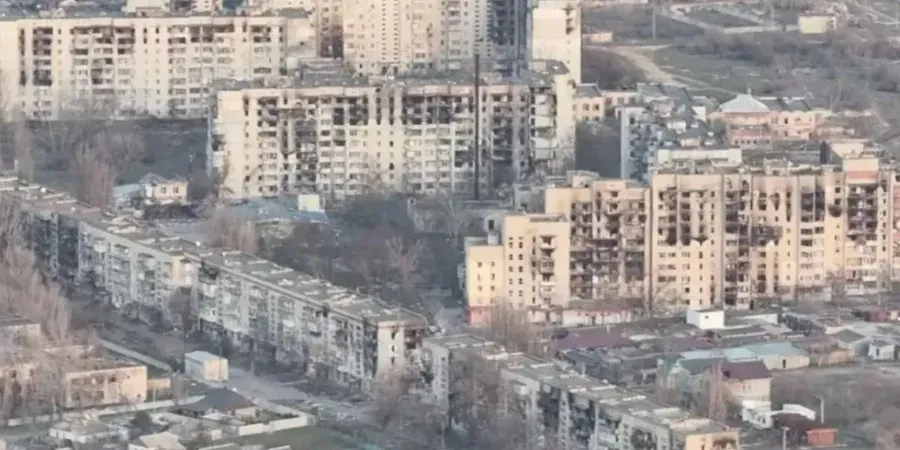
Ukraine and Russia have agreed to carry out a humanitarian mission in the occupied town of Oleshky in the Kherson region. According to Dmytro Lubinets, the Verkhovna Rada’s Commissioner for Human Rights, the operation will consist of three stages: a ceasefire, the delivery of humanitarian aid, and the evacuation of civilians. Meanwhile, the Kremlin stated that coordinating the ceasefire and the evacuation of people could take several days.
On Friday, October 23, Dmytro Lubinets announced that the agreement on a humanitarian mission in the occupied town of Oleshky had already been confirmed. According to the ombudsman, the operation will be complex, so it will be carried out in stages. It is expected to include a temporary cessation of hostilities, the delivery of humanitarian aid, and the unimpeded departure of civilians from the city. However, details of each stage have not yet been disclosed.
Lubinec thanked U.S. First Lady Melania Trump for coordinating the negotiations between Ukraine and Russia. He also urged caution regarding public information about the operation’s progress. According to him, the disclosure of certain details could jeopardize the operation. On October 23, the White House reported that Melania Trump had helped broker a local ceasefire between Ukraine and Russia. This is intended to allow for the delivery of aid and the evacuation of civilians from Oleshky. According to U.S. officials, a ceasefire in the city is scheduled for October 29.
At the same time, the Kremlin stated that agreeing on the ceasefire and organizing the evacuation could take several days. Therefore, the final terms and practical steps of the mission still need to be coordinated. David Arakhamia, head of the “Servant of the People” parliamentary faction, also reported on preparations for the operation to lift the siege of Oleshky and surrounding settlements. According to him, the operation is set to begin in the near future.
Why the Situation in Oleshky Is Critical
Oleshky, located on the left bank of the Dnipro River in the Kherson region, is under Russian occupation. For a long time, the city’s residents have had limited access to food, medicine, and other essentials. Due to the danger and the presence of landmines in the area, it is also very difficult to leave on one’s own. On September 16, the German newspaper Bild reported on the humanitarian blockade of the city. According to local residents, many families managed to survive over the summer thanks to vegetables from their own gardens. However, as the season came to an end, supplies began to run out, and the risk of starvation increased.
At that time, Dmytro Lubinets stated that Russia had long failed to confirm its readiness to evacuate civilians from Oleshky. According to him, despite prior agreements and prepared mission plans, it had not been possible to organize the safe evacuation of people. On September 20, Ukrainian Foreign Minister Andriy Sibiga announced that Ukraine would raise the issue of the humanitarian crisis in Oleshky and other occupied communities in the Kherson region at the UN General Assembly. Kyiv called on the international community to pay attention to the plight of civilians remaining in Russian-occupied territory.
On September 26, Sibiga called on international organizations to mobilize resources to deliver aid to the city. He emphasized the need to provide people with food and other essential supplies.
The Ukrainian military had already been delivering food via drones
On September 27, Oleksandr Prokudin, head of the Kherson Regional Military Administration, reported that the Ukrainian military had used drones to deliver approximately 4 metric tons of food to residents of the occupied town of Oleshky. According to him, the shipments were delivered to 100 different locations. This method of aid delivery makes it possible to deliver food even when the usual route to a settlement is dangerous or blocked. However, drone deliveries cannot fully solve the problem of providing all residents with food and medicine.
Separately, it was reported that Russian troops were confiscating food that Ukrainian defenders had dropped for local residents. This was stated by representatives of the Oleshky City Military Administration. Amid this critical situation, Ukraine continued to seek opportunities to evacuate people. On October 19, Lubinets announced that the Ukrainian and Russian sides were finalizing the details for the evacuation of civilians from the Oleshky community to territory controlled by Ukraine.
“We are now moving on to finalizing the details regarding the establishment of a ceasefire and the evacuation of all those who wish to leave—not just from the city of Oleshky, but directly to territory controlled by the Ukrainian government,” the ombudsman stated.
International organizations are focusing on the rescue of residents
The humanitarian situation in Oleshky has also been discussed at the international level. On October 19, Ukrainian President Volodymyr Zelenskyy held a telephone conversation with Pope Leo XIV. Among the topics discussed was the humanitarian catastrophe in the occupied city. “We are working to help our people there. We are preparing a solution. His Holiness reported on his contacts with the Russian side regarding this matter,” Zelenskyy said following the conversation.
On October 20, European Parliament Vice President Pina Picerno announced a hunger strike to draw the international community’s attention to the plight of civilians in Oleshky. She stated that thousands of people are trapped in territory occupied by the Russian army and lack adequate access to food and medicine. According to her, due to landmines in the area, any attempt to escape poses a serious threat to life. “In Oleshky, Ukraine, thousands of people are trapped in territory occupied by the Russian army, without adequate access to food and medicine. Because the area is mined, escaping is extremely dangerous—those who stay risk dying of starvation, and those who try to leave risk their lives,” Picerno wrote on the social media platform X.
International media have also covered the situation in the city. In particular, the BBC reported on the hunger and harsh conditions faced by local residents. Reports of food and medicine shortages have intensified calls for international organizations to secure the evacuation of civilians.
What Is Known About Next Steps
Currently, the proposed humanitarian mission has three main objectives: to secure a ceasefire, deliver aid, and ensure the evacuation of civilians who wish to leave the city. According to Lubinets, the operation will be complex, and its implementation depends on agreeing on the necessary conditions. At the same time, there is no confirmation yet that all stages of the mission have already begun. The announced start date for the ceasefire—October 29—is to precede the delivery of aid and the organization of people’s departure. The further course of the operation will depend on the parties’ compliance with the agreements.
For the residents of Oleshky, this mission could be an opportunity to receive necessary aid and leave the dangerous area. However, until the actual evacuation begins, people continue to face a humanitarian crisis, and ensuring safe access to the city and its residents remains one of the main challenges. He wrote about this on his Telegram channel.
Russia plans to impose a “ceasefire” in the Kherson sector starting at 4:00 a.m. Moscow time on October 27 to conduct a humanitarian operation in the occupied town of Oleshky.
In Oleshky, which is temporarily occupied by Russia, the aggressor state, approximately 1,700 people remain trapped amid the ruins. According to Interia, Ukrainian Foreign Minister Andriy Sibiga made this statement last week.




