
Ignat reveals details of atypical morning strike on Kyiv
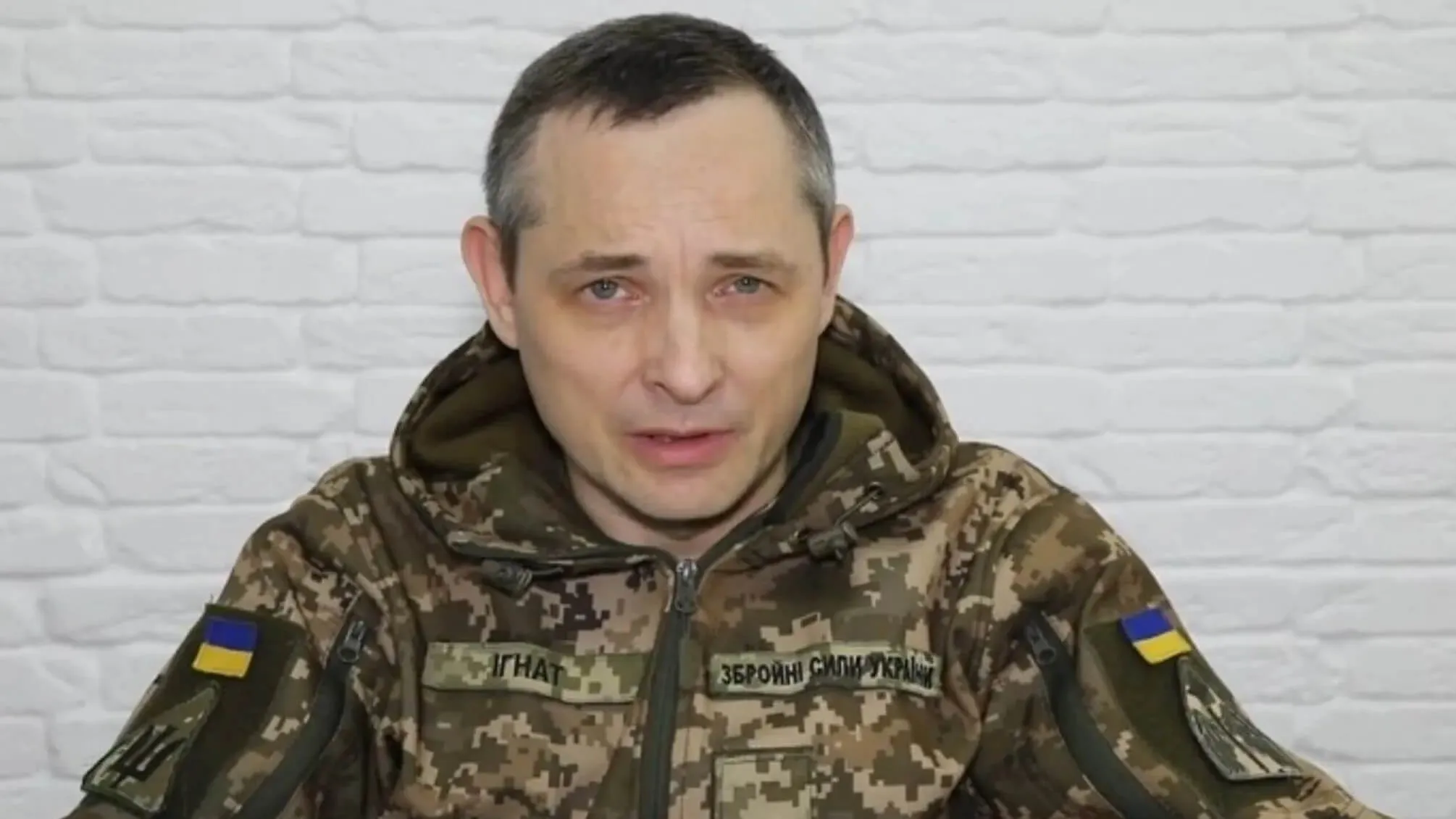
On the night of 16 March, Russian occupiers carried out a massive air attack on Kyiv Oblast, using more than 30 drones of various modifications.
Ukraine’s air defence forces managed to destroy almost all enemy targets before they reached the capital, preventing significant damage.
According to Yurii Ihnat, Head of the Communications Department of the Air Force Command of the Armed Forces of Ukraine, this attack was unusual due to the use of modernised strike tools. The enemy deployed both strike and reconnaissance drones, attempting to manoeuvre within Ukrainian airspace.
“Not very good news is that these drones do have communication channels, the enemy can control them. There were reconnaissance ones, but mainly strike drones,” the Air Force spokesperson explained during a telemarathon broadcast.
Despite the enemy’s technological upgrades, Ukrainian defenders demonstrated high efficiency, neutralising the threat. According to Ihnat, the vast majority of drones were successfully intercepted by air defence units.
“We saw debris in the centre of the capital; experts will identify what drones these were and how the enemy upgraded them,” Yurii Ihnat added. Currently, specialists are studying the wreckage of the downed drones to understand the enemy’s new tactical approaches.
It is recalled that Russian forces attacked residential areas of Zaporizhzhia, causing destruction and injuries.
The death toll from the Russian strike on Kyiv region on the night of 14 March also rose.


