
Madyar spoke about the SBS's new tactics in the Donetsk region
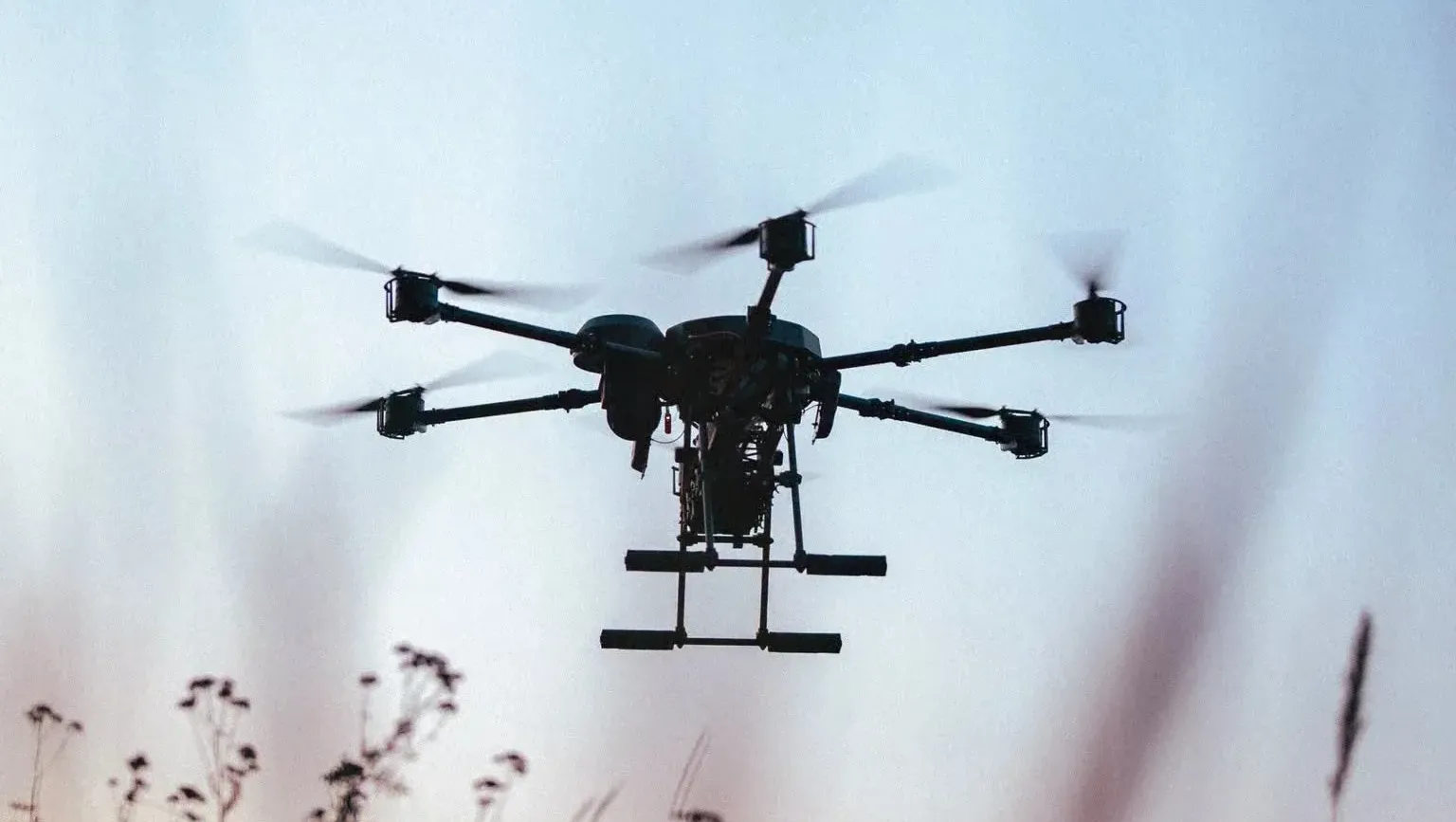
New Ukrainian military units in the Donetsk region will operate in close coordination with the Unmanned Systems Forces. Robert “Madyar” Brovdi, commander of the Unmanned Systems Forces, stated that the Ukrainian military is transitioning to a faster and more coordinated model of combat, in which the time between target detection and engagement should be as short as possible.
Robert “Madyar” Brovdi, commander of the Ukrainian Armed Forces’ Unmanned Systems Forces, spoke about the Unmanned Systems Forces’ cooperation with the new Ukrainian military units in Donetsk Oblast. The day before, Ukrainian President Volodymyr Zelenskyy announced that two reorganized military formations would reinforce the region’s defenses. They will be led by Heroes of Ukraine Denys Prokopenko and Andriy Biletsky.
According to “Madyar,” these units will not operate separately but in close coordination with the Unmanned Systems Forces. “This is what ‘Smart War’ is all about,” wrote the commander of the Unmanned Systems Forces. This refers to a shift in the approach to conducting combat operations. The Ukrainian military aims to integrate intelligence, drones, and firepower as much as possible to respond more quickly to enemy actions.
“Sensor-Shooter”
Madyar identified the “sensor-to-shooter” approach as one of the key principles of this model. Simply put, a reconnaissance asset first detects a target, after which the information is transmitted as quickly as possible to the unit capable of destroying it. The shorter this chain of command, the less time Russian troops will have to change positions or take cover.
This is particularly important in modern warfare, where drones allow for nearly constant monitoring of the situation on the battlefield. An operator can spot enemy equipment, positions, or movements, and that information must then be promptly relayed to the appropriate unit. This is precisely why the SBS refers to a network-centric model of warfare. The essence of this model is that different units do not operate in isolation but instead exchange information and function as a single system. “Total synchronization” with the Unmanned Systems Forces is intended to reduce the time between target detection and engagement.
For the Ukrainian army, this is particularly relevant in the Donetsk region, where Russian troops are constantly attempting to advance, deploying large numbers of vehicles, infantry, and drones. Therefore, the task is not merely to detect the enemy. It is crucial to use the information obtained as quickly as possible and strike the detected target.
What does this mean in practice?
This model calls for closer coordination between drone operators and ground units. Intelligence must quickly transmit data to military personnel who are directly in the line of fire and capable of striking the target. As a result, one unit can detect Russian equipment, another can confirm its coordinates, and a third can deliver the strike. All of this must happen as quickly as possible.
According to the SBS’s plan, the speed of information exchange could become one of the key advantages on the battlefield. Russian forces will have less time to maneuver, change positions, or retreat. At the same time, the mere presence of drones does not guarantee success. It requires coordinated efforts between drone operators, intelligence, command, and the units directly carrying out fire missions.
This enhanced coordination comes amid a decision to reorganize Ukrainian troop formations in the Donetsk region. It is expected that their collaboration with the UAS will enable a faster response to Russian military actions and more effective use of battlefield data. Robert “Madyar” Brovdi, commander of the Ukrainian Armed Forces’ Unmanned Systems Forces, reported this in a post.
As a reminder, Russia attacked warehouses and energy infrastructure in the Odesa region.
Earlier, drones attacked Ozon logistics centers in two regions of Russia at once.
Drones also attacked Krasnodar and caused a fire at a warehouse.
Earlier, warehouses caught fire in Akulovo, near Moscow.


