
Nearly one-third of Germany's ground forces come from the country's eastern states
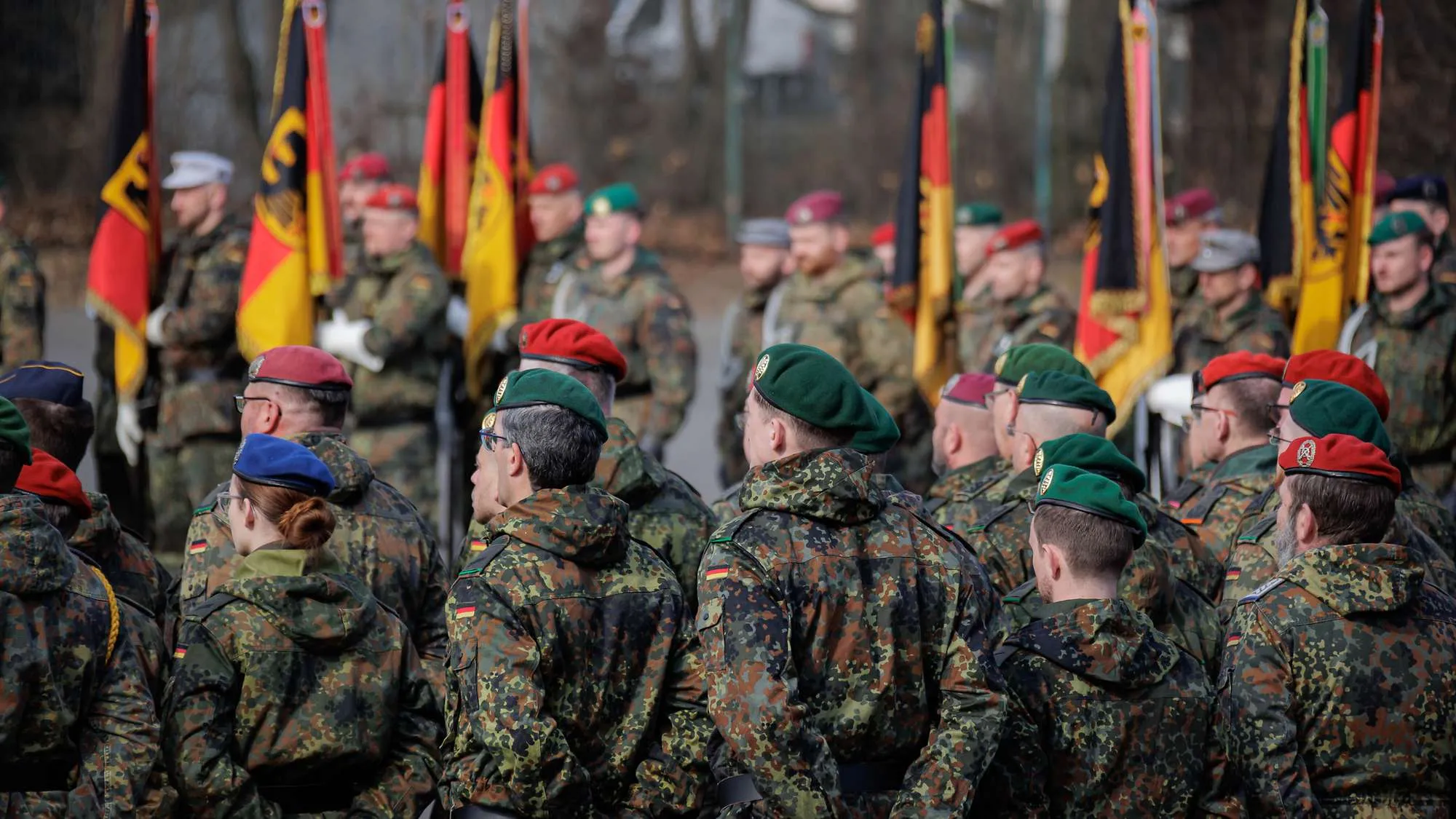
Nearly one-third of the German Army’s personnel come from the eastern federal states. At the same time, people born in these regions account for about 20% of the country’s population.
The highest proportion of personnel from eastern Germany is found among senior officers—majors, lieutenant colonels, and colonels—at 35 percent.
Among junior officers—lieutenants, senior lieutenants, and captains—this figure reaches 27%.
The proportion of those from the east also remains high among noncommissioned officers. Among senior noncommissioned officers, it stands at 34%, and among junior noncommissioned officers, 29%.
Among enlisted personnel, the proportion of service members from the eastern states is 27%.
At the same time, only 2% of Army generals are from eastern Germany.
Thus, the highest representation of individuals born in the eastern federal states is observed among senior officers and non-commissioned officers, while at the general level their share remains significantly lower.
After German reunification, the East German army was not incorporated into the new army
This distribution is particularly interesting in light of how the unification of the German armed forces took place after the end of the Cold War.
Following Germany’s reunification on October 3, 1990, the National People’s Army of the German Democratic Republic ceased to exist.
Its military units were not incorporated into the Bundeswehr as ready-to-deploy formations, and service members did not automatically transfer to the Bundeswehr.
A portion of the personnel from the former East German army was temporarily accepted into service, after which a selection process and large-scale downsizing took place.
As a result, approximately 10,800 former GDR soldiers continued their permanent service in the armed forces of reunified Germany.
Therefore, the current high proportion of officers and non-commissioned officers from East Germany cannot be explained solely by the transfer of former GDR military personnel to the armed forces of the Federal Republic of Germany.
More than three decades after the country’s reunification, a significant portion of the current personnel from the eastern states had already begun their military careers directly in the armed forces of reunified Germany.
Most military personnel serve in the western part of the country
At the same time, the majority of the approximately 65,000 service members in the German Army serve in the western part of the country.
There are only two brigades stationed in eastern Germany, even though the Army Command is located there, in Brandenburg.
It is currently unknown whether such a high proportion of personnel from the eastern states is characteristic of the entire Bundeswehr. The Left Party faction has already submitted a separate inquiry to the government to clarify the situation in other branches of the armed forces.
This was reported by the German defense publication Hartpunkt, citing the German federal government’s response to an inquiry from Bundestag member Ulrich Toden of The Left party.
Germany has rejected Trump’s call to withdraw from the ICC.
In the U.S., President Donald Trump’s administration is preparing broad economic sanctions against the International Criminal Court (ICC), which could ban most financial and commercial transactions with the court.
International Criminal Court President Tomoko Akane has stated her readiness to defend the court’s work and resist pressure from the United States following the imposition of U.S. sanctions against her.




