
Moscow fears that attacks on Iran could legitimize the assassination of government leaders
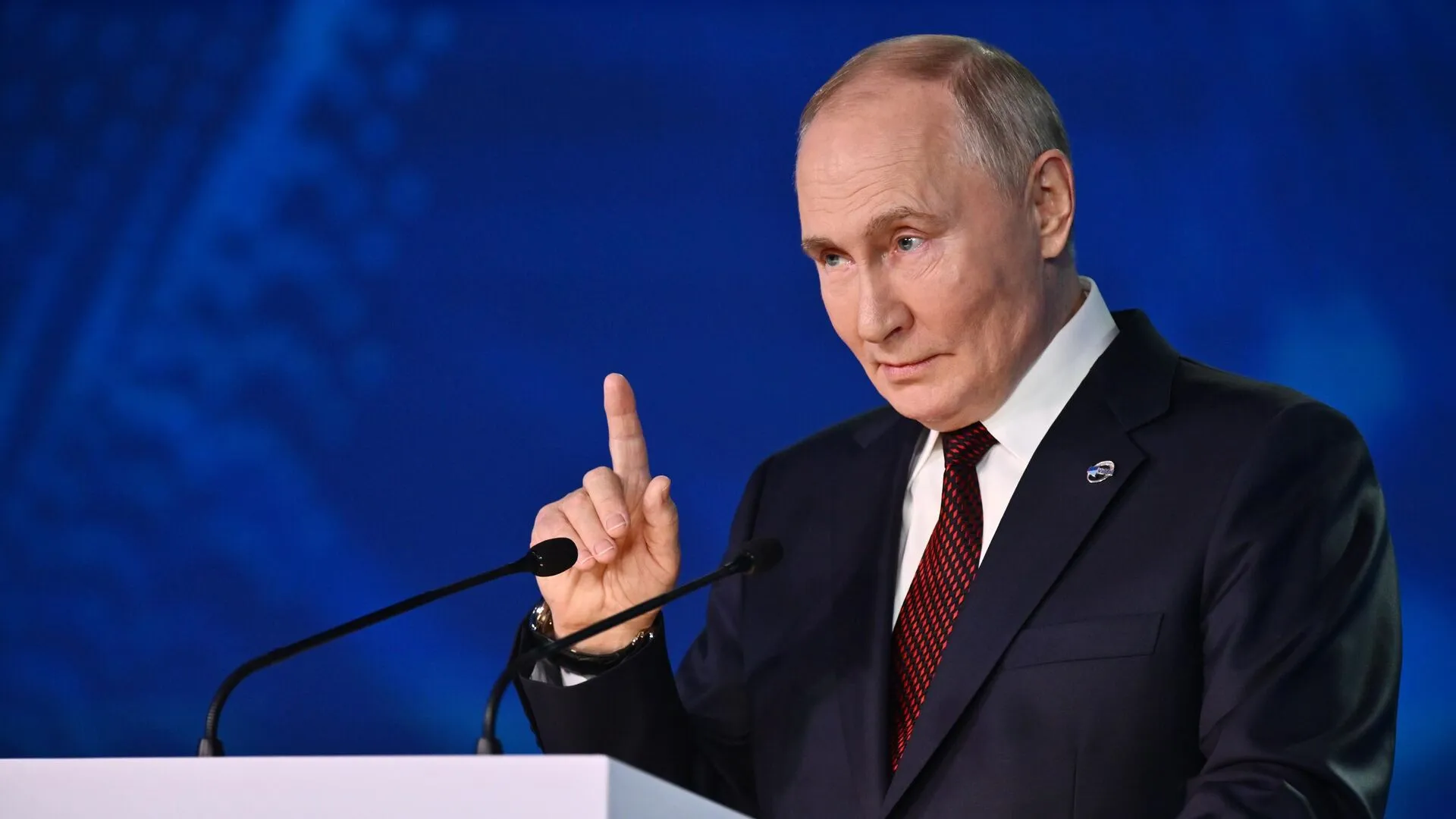
Kremlin spokesman Dmitry Peskov described the elimination of Iran’s top leadership during a joint U.S.-Israeli operation as an event that will have “very profound consequences.”
Moscow expressed hope that the practice of eliminating state leaders would not become the global norm, though it acknowledged the new geopolitical reality.
According to Peskov, the situation that has developed in the Middle East in March 2026 is unacceptable from the standpoint of international law.
“This is indeed the reality in which we live, but let us hope that this is not the norm. And in any case, this is not the norm, which has and will continue to have very profound consequences. This cannot go unpunished,” the Russian president’s spokesperson stated.
This statement came after Iran’s Supreme Leader Ayatollah Ali Khamenei and a number of other high-ranking officials were killed in Tehran on February 28, 2026, as a result of large-scale airstrikes.
The operation, which Washington dubbed “Epic Fury,” marked the beginning of an open war that led to significant destabilization of global energy markets.
To replace the deceased Ali Khamenei, Iran’s Council of Experts selected his son, Mojtaba Khamenei.
Although official Tehran refrained from public announcements for some time, on March 9, 2026, the appointment of the new Supreme Leader was officially confirmed amid ongoing hostilities and missile exchanges between Iran and Israel.
In addition to Khamenei, Ali Larijani, secretary of the Supreme National Security Council, and the commander of the Islamic Revolutionary Guard Corps were killed in the strikes.
Peskov emphasized that Russia is conducting a detailed analysis of the situation, particularly in the context of a possible withdrawal from European energy markets due to oil price volatility.
Currently, Iran continues to launch retaliatory strikes against U.S. bases in the region and threatens to completely block the Strait of Hormuz.
International analysts fear that the “far-reaching consequences” mentioned by Peskov could lead to a direct confrontation between major powers, as Russia is considering increasing military aid to Iran’s new leadership.
As a reminder, the Kremlin commented on the upcoming talks in the U.S. without Russia’s participation.
The Kremlin also bluntly rejected France’s proposal to involve the EU in the peace talks.


