
An occupation court sentenced a Tokmak resident to 14 years in prison for making donations to the Ukrainian Armed Forces
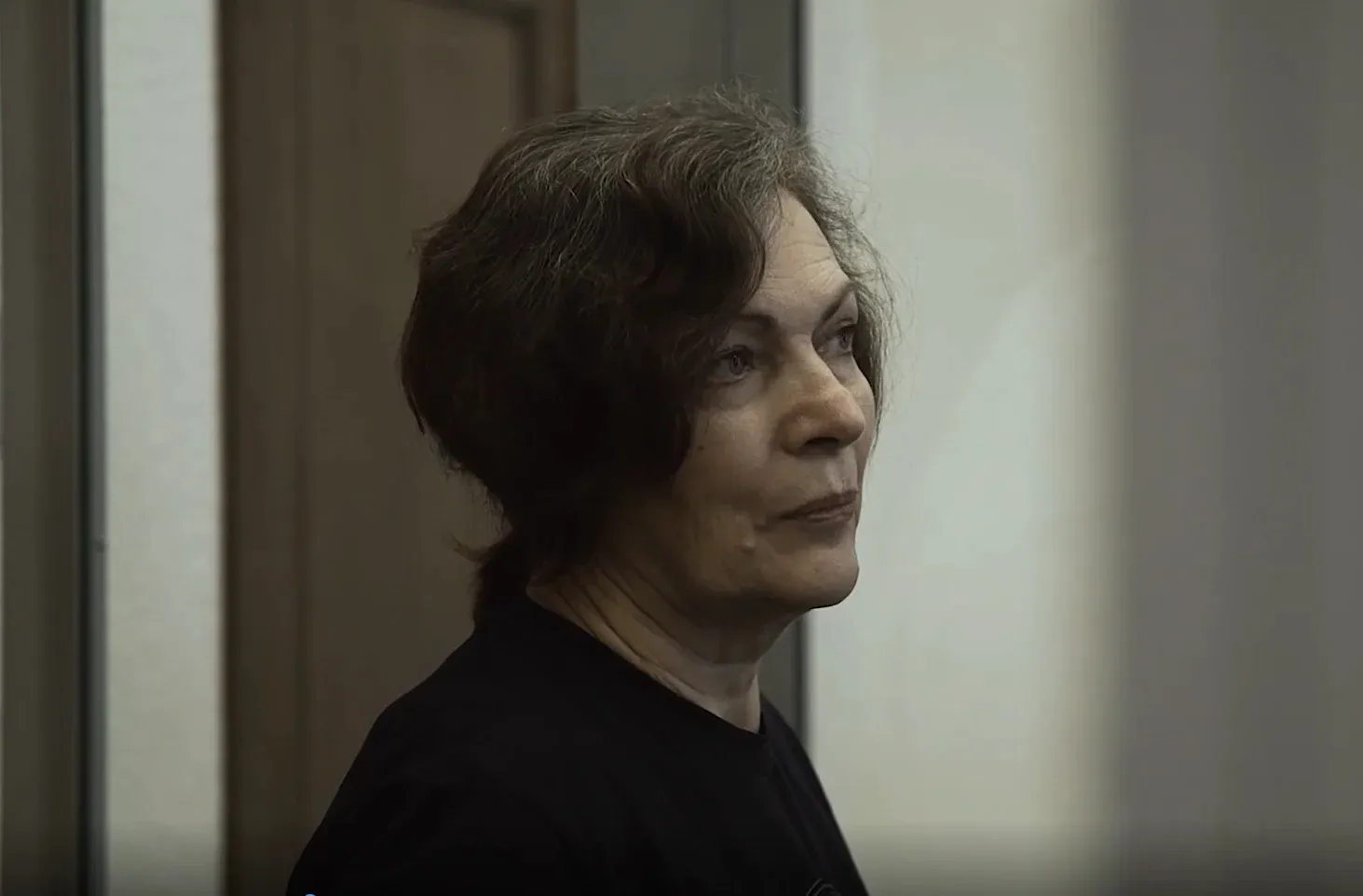
The so-called Zaporizhzhia Regional Court, established by the Russian occupation authorities, sentenced a resident of Tokmak to 14 years in a penal colony for making 15 money transfers in support of the Armed Forces of Ukraine. According to the Russian side, the total amount of the transfers was 1,250 hryvnias. The Russian court classified this as “treason,” and the case itself is based on Russian legislation, which Ukraine does not recognize in the occupied territories.
A resident of the temporarily occupied town of Tokmak in Zaporizhzhia Oblast was sentenced to 14 years in a general-regime penal colony. The verdict was handed down by the so-called Zaporizhzhia Regional Court, established by the occupying authorities. The Russian side claims that the basis for the prosecution was money transfers in support of the Armed Forces of Ukraine. According to the occupation authorities, the woman transferred money 15 times via a mobile banking app between January and April 2024.
In total, according to the Russian investigation, she transferred 1,250 hryvnias. In their case materials, the Russian side converted this amount into rubles—approximately 2,980 rubles. According to the occupying authorities, the woman independently obtained the details of Ukrainian bank cards that were used to collect funds for the needs of the Armed Forces of Ukraine.
The Russian investigation also claims that in the spring of 2023, the woman received Russian citizenship but allegedly retained pro-Ukrainian views and held a negative attitude toward the Russian authorities. These claims originate from the Russian occupation authorities and represent their version of events.
The so-called court classified the money transfers as “treason” under Russian criminal law. For this, the woman was sentenced to 14 years in prison. In addition, she was given another year of restricted freedom following her main sentence. Russian media refer to the convicted woman only by her last name and the first letter of her first name—“a resident of Tokmak, K.,” born in 1961.
At the same time, the database of the “If There Were No War” project contains information about a woman named Svitlana Kramchanina with the same year of birth and place of residence. This project states that she was detained on January 12, 2026. However, the convicted woman’s full name has not been confirmed by independent official sources, so it is incorrect to identify her as Svitlana Kramchanina without additional confirmation.
News of the Tokmak resident’s detention first emerged back in September. At that time, Russian occupation authorities claimed that the 62-year-old woman was accused of financing the Ukrainian army. According to their account, she made 15 money transfers totaling approximately 1,250 hryvnias. At the time, the Russian side also claimed that the woman had allegedly admitted her guilt. There is no independent confirmation of this information in open sources.
Now, the occupation court has sentenced her to 14 years in a penal colony. At the same time, it is important to note that the so-called Zaporizhzhia Regional Court operates in territory temporarily occupied by Russia. Its decisions are not those of the Ukrainian judicial system. Ukraine does not recognize the occupation authorities and courts established by Russia in the occupied territories.
The Russian authorities regularly bring similar cases against residents of the occupied territories, accusing them of espionage, treason, passing on information, or supporting the Ukrainian military. Previously, Russian security forces also persecuted other residents of Tokmak for allegedly aiding Ukraine. For example, in 2024, the Russian side sentenced Olga Chernyavskaya, a resident of the city, to 13 years in prison on charges of espionage.
In the current case, the Russian authorities have not reported any other incidents besides the money transfers. According to the version released by the occupying authorities, it was precisely these 15 transfers totaling 1,250 hryvnias that served as the basis for the 14-year sentence. Thus, a resident of occupied Tokmak received a lengthy prison term by decision of the Russian Federation’s illegal occupation court. The Russian side calls these transfers in support of the Armed Forces of Ukraine “treason,” but all these charges and the sentence originate from the occupying authorities, whose jurisdiction Ukraine does not recognize. Russian media are reporting on this, citing the press service of the occupying “court.”




