
A year ago, the SBU carried out a unique special operation, "Spider's Web," deep behind enemy lines in Russia
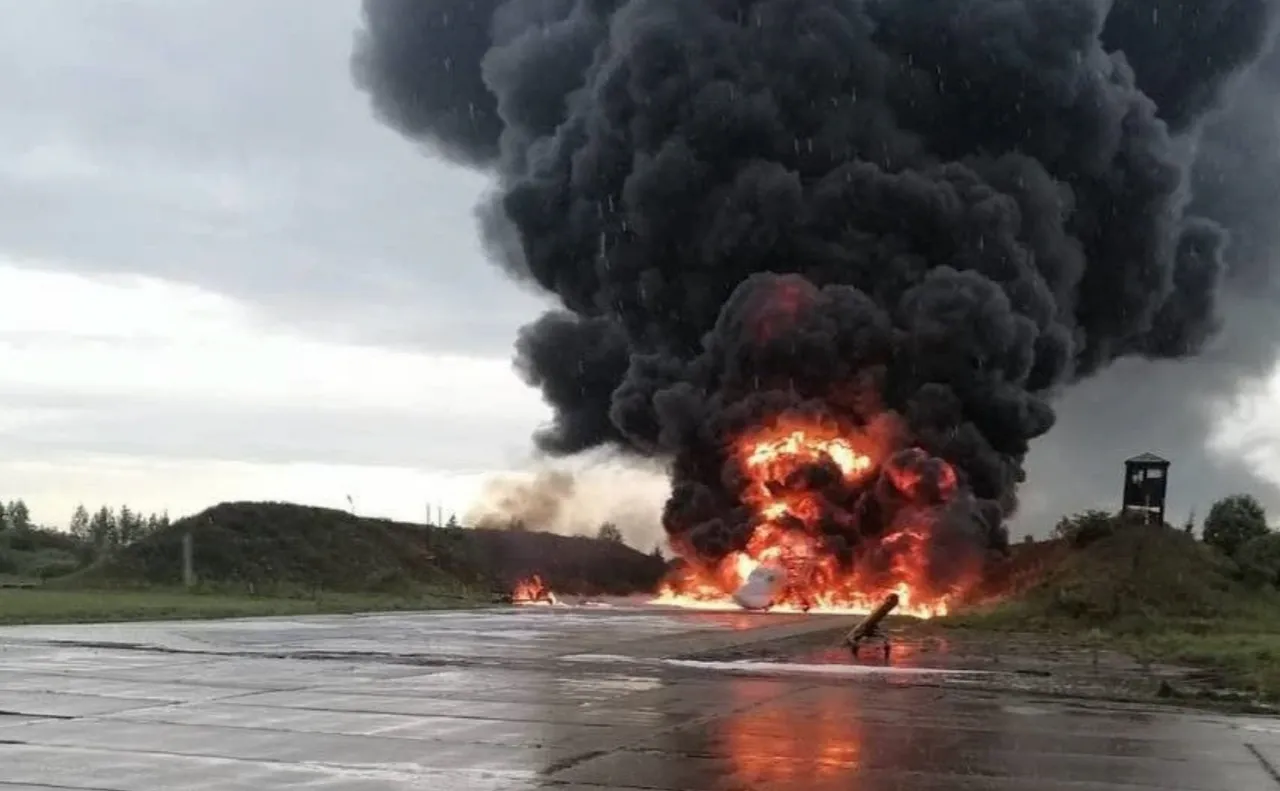
Exactly one year ago, on June 1, 2025, the Security Service of Ukraine carried out the final phase of the large-scale and highly complex special operation “Spider’s Web,” which once and for all dispelled the myth of the invulnerability of Russian strategic aviation.
During a coordinated attack, Ukrainian special services used 117 special FPV drones to strike five remote enemy airbases simultaneously in the Murmansk, Irkutsk, Ryazan, Ivanovo, and Amur regions.
According to SBU estimates, the explosions damaged 41 strategic aircraft, effectively eliminating 34% of the Russian Federation’s combat-ready strategic aviation.
Preparations for this unique operation lasted a year and a half and required an unprecedented level of secrecy.
Robotic weapons were delivered in advance to the territory of the aggressor state and hidden in specially converted trucks that drove directly to military airfields.
The remote launch of drones made it possible to confirm the destruction of aircraft at the “Olenya,” “Bila,” “Dyagilevo,” “Ivanovo,” and “Ukrainka” bases.
Each participant was responsible solely for their specific task and had no idea of the operation’s ultimate goal.
During a meeting with media representatives, SBU Head Vasyl Malyuk revealed the unique technical specifications of the weapons used and the logistical details of the destruction of the enemy’s aircraft.
The official emphasized that each drone had multiple communication channels and a specialized 1.6-kg warhead designed to burn through the aircraft’s fuselage.
Recalling the details of the breakthrough of Russian defenses, Vasyl Malyuk noted: “We deployed 117 drones; the whole world saw the result of our work. It was an extremely complex, multi-component operation. The first component is logistics. The most important thing is delivering the equipment to the enemy’s rear. Another element is the drone itself. It looks like an ordinary drone, but it is a unique weapon system with several communication channels.”
During planning, special attention was paid to selecting critical points for striking Russian bombers. A special cumulative-high-explosive charge allowed us to penetrate the aircraft’s thick fuselage and trigger massive internal detonations.
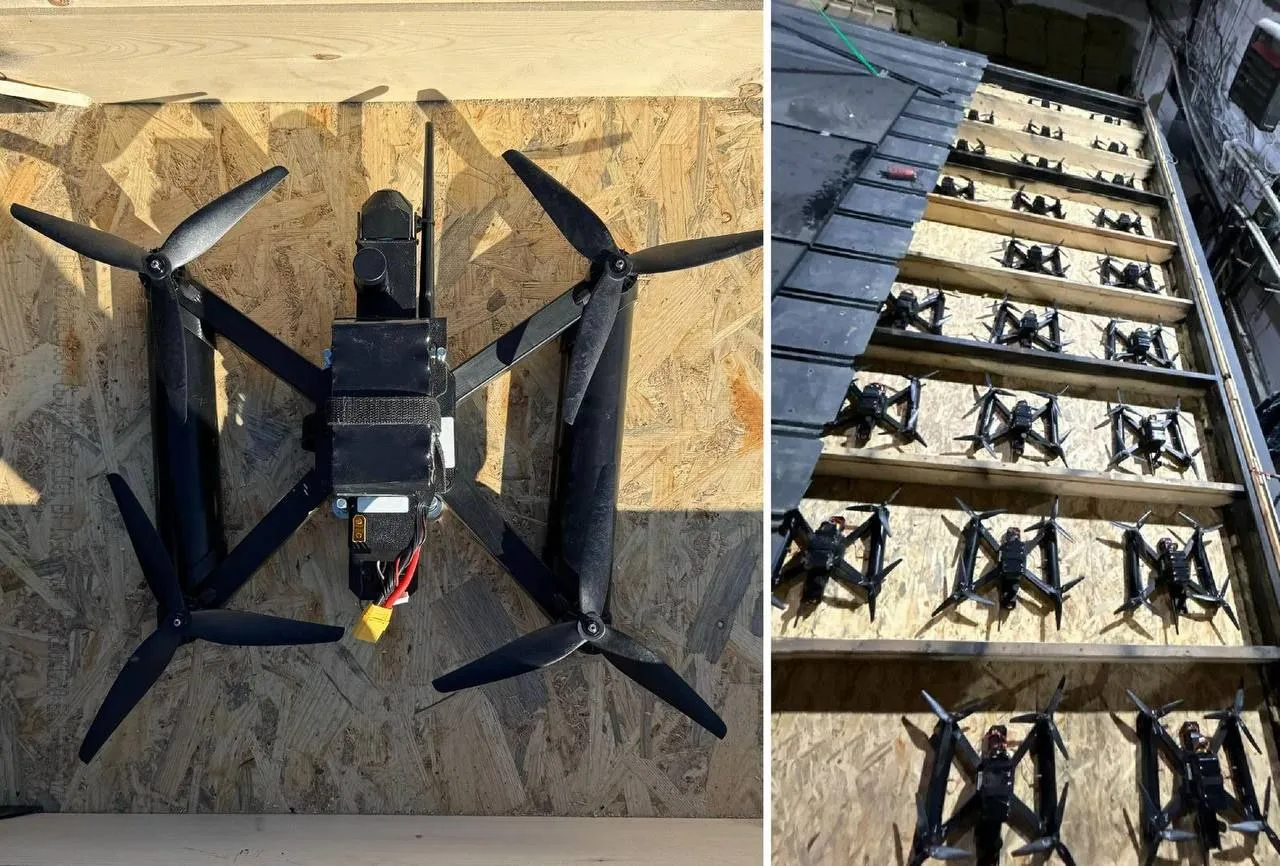
The head of the agency explained the special forces’ tactics in detail: “We targeted the fuel tanks; I identified that as a priority. We struck the side of the aircraft where the missile was located. We targeted the avionics—the equipment for which the enemy has no spare parts. This is a highly effective and specially designed munition. We used specific communication components that are subject to sanctions in the Russian Federation.”
For the final stage of destroying the enemy’s equipment, the most professional special forces personnel were deployed, operating in complete isolation from the outside world.
The drones were controlled in real time using detailed digital terrain models.
Commenting on the actual assault process, Vasyl Malyuk said: “I assembled the best drone operators from Special Operations Center ‘A.’ They entered the command post at five in the morning; their phones were taken away. And the work began: each was assigned a target, a specific aircraft was ‘assigned’ to them.”
The significance of Operation “Spiderweb” and its achievements cannot be overstated, — Pistrous
The case regarding Operation “Spiderweb” followed the same scenario as the Crimean Bridge bombing, — media


