
Russia has modernized its X-101 missiles to bypass Ukrainian air defense systems
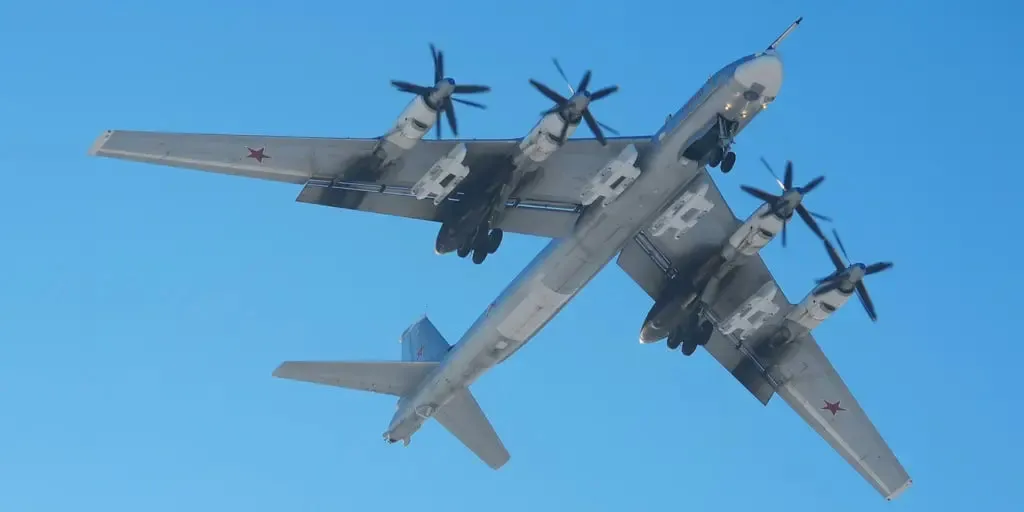
During the full-scale war, Russia has carried out at least four phases of modernization of the Kh-101 cruise missiles in an effort to increase their effectiveness and complicate the work of Ukraine’s air defense forces.
This is reported in an article by the publication “Military.” According to the authors, the changes affected the warhead, guidance systems, electronic warfare capabilities, and the engine. The X-101 remains one of the Russian Federation’s primary weapons for massive strikes against Ukraine’s civilian, energy, and military infrastructure.
The publication notes that following the deployment in Ukraine of Patriot systems, NASAMS, IRIS-T, and F-16 fighter jets in Ukraine, the interception rate for the basic versions of the Kh-101 reached 88% according to estimates, forcing the Russian military-industrial complex to upgrade these missiles.
The first phase of modernization in 2023–2024 involved the installation of a tandem warhead, whose weight was increased from 480 to 800–960 kg. This reduced the range to approximately 2,250 km, but it is sufficient for strikes on Ukrainian territory.
In 2024, the missiles were also equipped with a cluster warhead. According to “Military,” it contains submunitions with zirconium elements capable of inflicting significant damage over large areas and causing massive fires.
Subsequent stages of modernization included upgrades to the optoelectronic guidance system and satellite navigation, as well as the installation of the SP-504 active electronic warfare station and the L-504 thermal and radar decoy launch system. According to the developers’ plan, these measures are intended to make it more difficult for Ukrainian air defense systems to intercept the missiles.
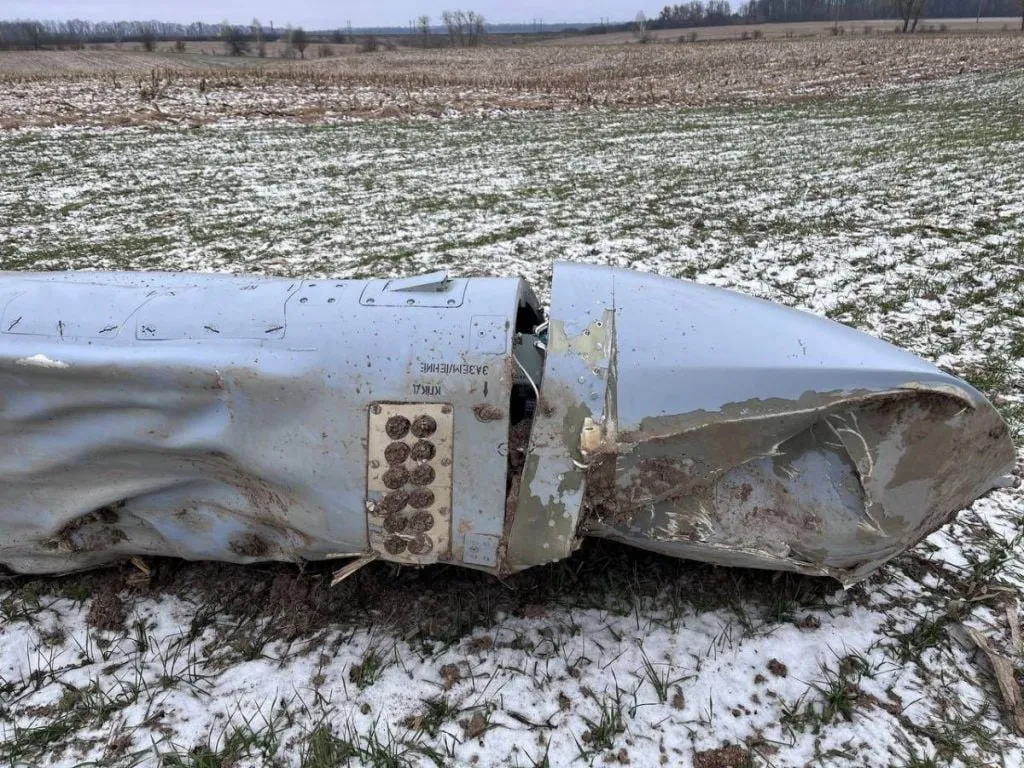
In addition, an analysis of debris from Kh-101 missiles launched in late 2025–early 2026 indicates the use of new technologies in engine production. At the same time, some missiles were found to be equipped with older Soviet R-95-300 engines, which may indicate difficulties faced by the Russian defense industry in producing modern propulsion systems.
“Military” noted that Russia officially adopted the X-101 cruise missile in 2012–2013, and first used it in combat during the military operation in Syria in 2015.
Source: “Military.”
As a reminder, Ukraine will allocate €3.47 billion from the EU toward air defense, drones, and missile programs.
On July 30, the European Union transferred another financial tranche of 3.47 billion euros to Ukraine. The funds will be used to support the country’s defense capabilities and finance priority state needs amid a full-scale war.
The European Union plans to provide Ukraine with 920 million euros to restore and strengthen its energy infrastructure ahead of the winter season. This was announced by European Commission President Ursula von der Leyen.


