
Russia has sharply increased the number of Shahid missiles
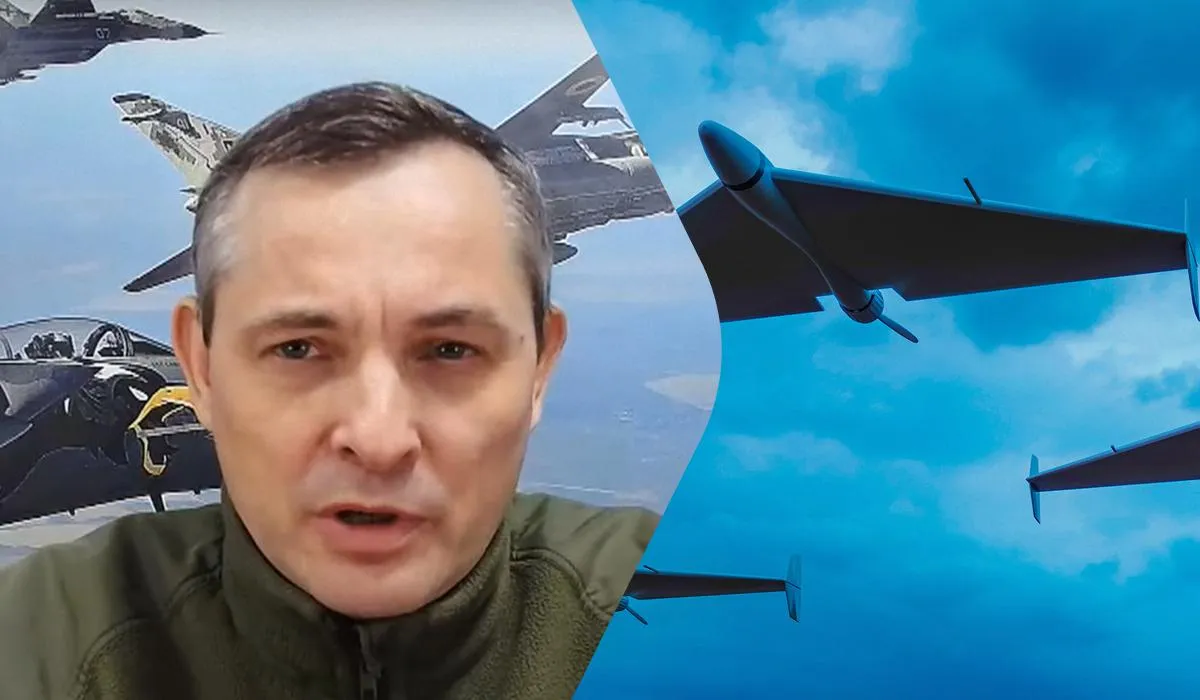
Russia is increasingly using jet-powered “Shaheds” in its attacks on Ukraine. According to Yuriy Ignat, head of the Communications Department of the Ukrainian Air Force, they may now account for up to two-thirds of all drones launched.
Russia is increasing its use of jet-powered drones because they are more difficult to intercept. Earlier reports indicated that jet-powered models accounted for approximately 20% of all “Shaheds” that Russia had launched against Ukraine. Former Commander-in-Chief of the Ukrainian Armed Forces Oleksandr Syrskyi stated that Russia planned to increase this share to 50%.
Now, Yuriy Ignat’s estimate is even higher. According to him, up to two-thirds of the Russian drones launched during attacks may already be jet-powered. This is one of the highest public estimates of the proportion of jet-powered drones reported by Ukrainian officials.
Why Jet-Powered “Shaheds” Are Harder to Shoot Down
The main difference with these drones is their speed. A jet engine allows the drone to move faster, leaving Ukrainian air defense forces less time to detect and intercept it.
Yegor Chernev, deputy chairman of the parliamentary Committee on National Security, Defense, and Intelligence, noted that Ukrainian forces are shooting down more than 90% of Russian cruise missiles and “Geran-2” drones. Against this backdrop, he said, Russia is increasingly relying on jet-powered drones and ballistic missiles. These types of targets are more difficult to destroy. In other words, Russia is trying not only to increase the number of attack drones but also to modify them so that they become more difficult targets for Ukrainian air defense.
Russia is changing how it launches drones
The changes aren’t limited to the drones themselves. Russia is also expanding the infrastructure at its air bases to launch jet-powered drones. According to journalists, some bases are using long launch rails to help accelerate the drone before its jet engine ignites.
At the same time, Russian strike tactics are also changing. Analysts at the Institute for the Study of War reported that Russia is increasingly moving away from very large groups of “Shaheds” and is launching smaller groups, which may include fast jet-powered models. While at the beginning of the year Russia was capable of launching 600–1,000 drones in a single attack, current estimates suggest the number is now approximately 150–300 drones.
Ukraine is preparing a new response
Meanwhile, Ukrainian manufacturers are working on a separate class of interceptor drones. These are being developed to counter the higher speed of jet-powered “Shaheds.”
In particular, according to the publication, the company Skyfall has already used such drones to combat Russian jet-powered UAVs. It is reported that the interceptors have already destroyed more than a dozen such targets. The company plans to begin mass production in August.
Russia Continues to Attack Ukraine
Russian drone attacks are ongoing. On the morning of August 12, Russia attacked Kyiv and the surrounding region. In the Brovary district, a fire broke out in warehouse buildings following the strike, and one person was injured. On August 13, Russian troops attacked Ukrainian trains twice in the Odesa region. A child was injured during one of the attacks, and a fire broke out at the site of the strike.
Against this backdrop, Ukraine is trying to strengthen its defenses against this new threat. “Shahed” drones are becoming part of Russian tactics, and Ukrainian developers are already looking for ways to intercept them with faster drones. Yuriy Ignat, head of the Communications Department of the Ukrainian Air Force Command, spoke about this in a comment to Business Insider.
A court in Moscow, in the Russian Federation—the aggressor state—has ruled to bar the liberal Yabloko party from participating in the parliamentary elections scheduled for next month. “Yabloko” was the only registered party in the country that opposed Russia’s war against Ukraine, according to BBC News.


