
Russians are flocking to auto repair shops due to problems with gasoline
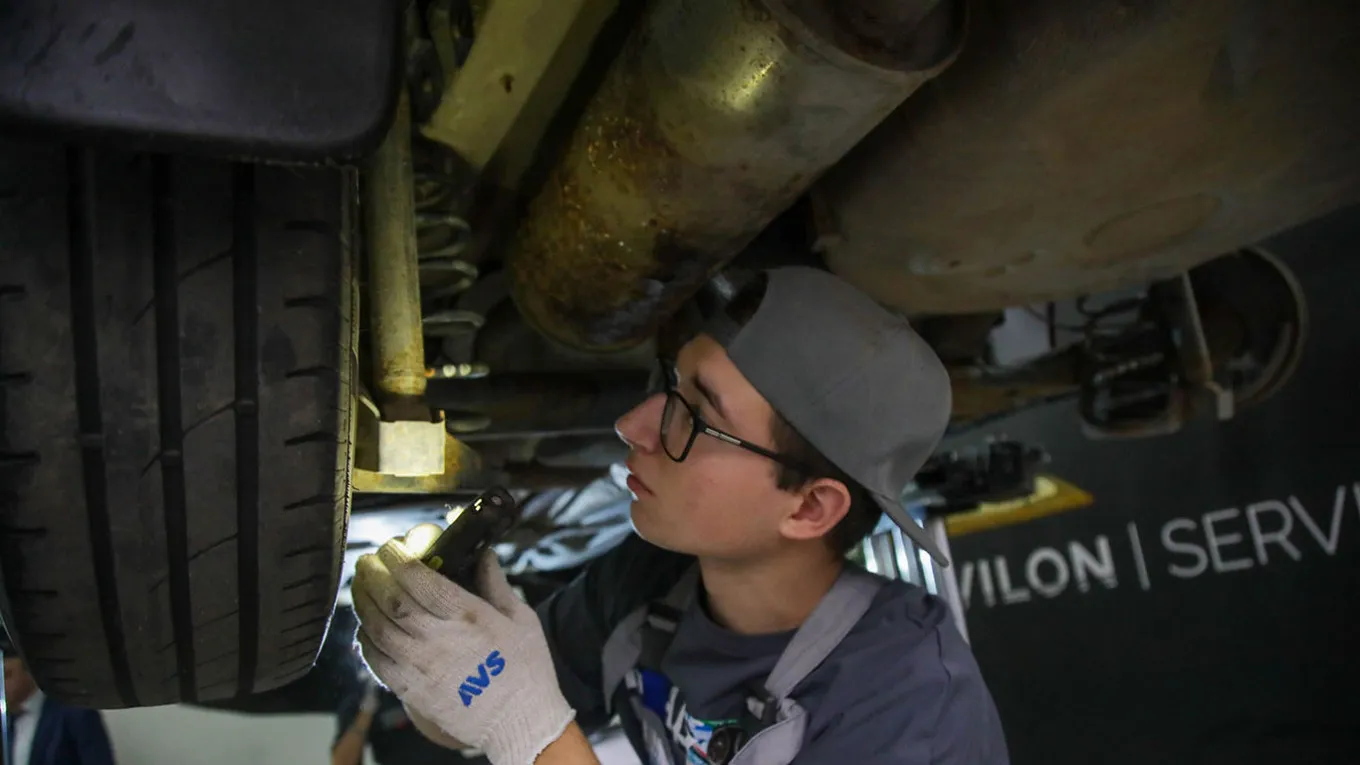
Against the backdrop of the fuel crisis and lower gasoline quality standards in Russia, demand for vehicle diagnostics has risen.
According to data from the Fit Service network, in June–July, the number of jobs involving engines and fuel systems rose by 22% year-over-year—to 120,000. Most often, car owners request diagnostics, component inspections, and repairs for the fuel injection system, piston assembly, cylinder head, camshaft, and ignition system.
Russians are also more likely to seek service due to a loss of power, erratic engine performance, and increased fuel consumption. The highest number of such requests is recorded in Perm, Krasnodar, Novosibirsk, Volgograd, and Rostov-on-Don.
Experts warn that fuel that does not meet the manufacturer’s specifications can cause erratic engine performance, increased fuel consumption, and the appearance of a “Check Engine” warning. Prolonged use of problematic gasoline can damage fuel injectors, the fuel pump, spark plugs, and the exhaust aftertreatment system.
At the same time, no widespread vehicle breakdowns due to the fuel have been reported so far. Car owners are advised to monitor their vehicles more closely and have them serviced more frequently.
In the temporarily occupied Crimea, fuel problems could escalate into a much more serious crisis. Due to logistical difficulties on the peninsula, prices have already begun to rise, lines are forming, and residents are increasingly stocking up on essential goods.
The shortage of automotive fuel, which was previously observed in the temporarily occupied Crimea, has begun to spread to the southern regions of the Russian Federation. Residents of the Krasnodar Krai and the Rostov Oblast are reporting shortages of gasoline and diesel fuel.


