
A Russian fibre-optic drone reached Kharkiv for the first time
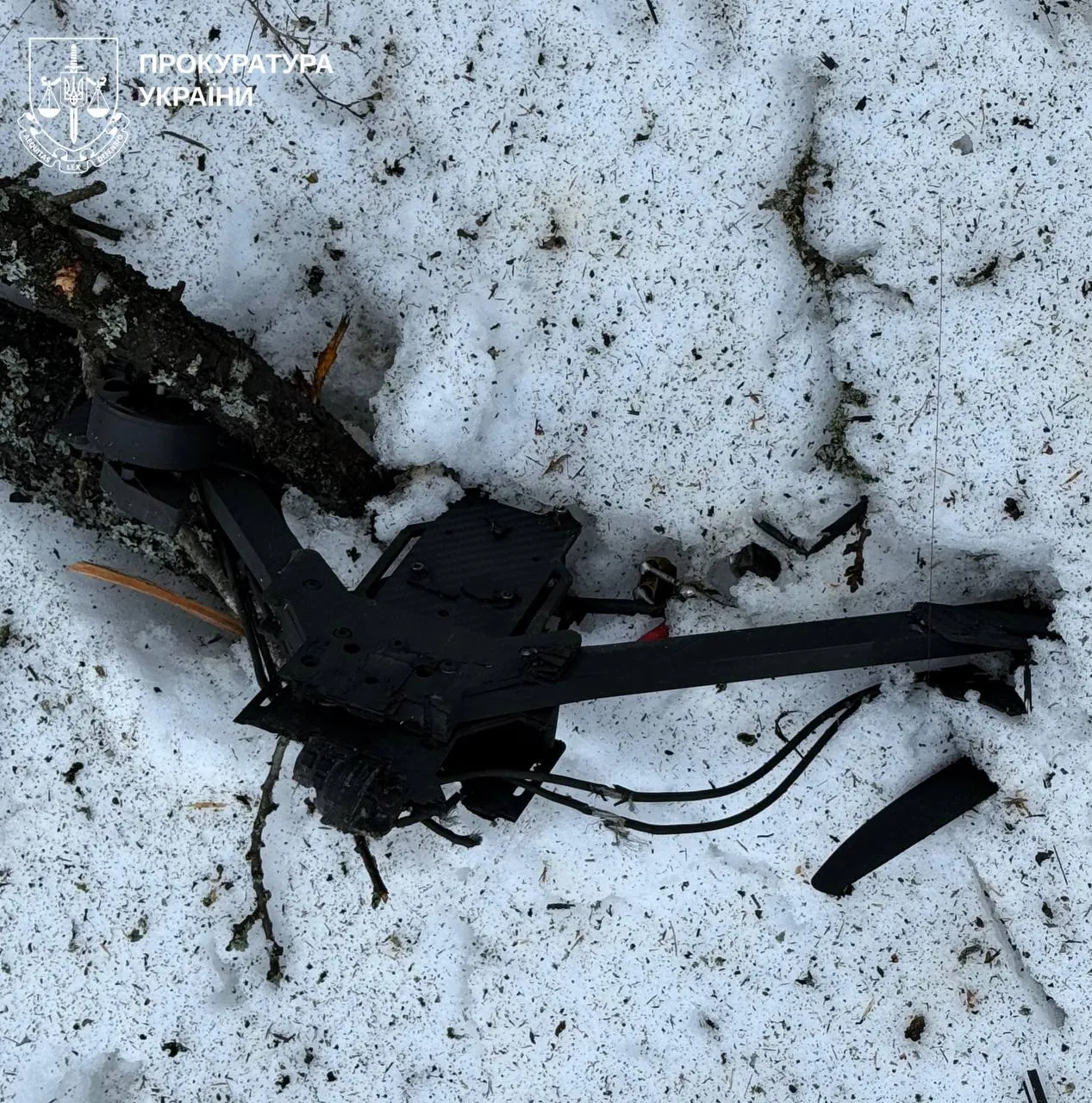
On 25 February, Russian forces for the first time used a 13-inch FPV drone controlled via fibre-optic cable to strike the Kyivskyi district of Kharkiv. The device hit a tree on the northern outskirts of the city, located 23.4 kilometres from the state border with Russia.
The Kharkiv Regional Prosecutor’s Office has already launched a pre-trial investigation into the incident, as the use of this type of weapon against civilian infrastructure constitutes a violation of the laws and customs of war.

The main feature of this drone modification is the use of a thin optical cable instead of a radio signal, making it completely invisible to electronic intelligence systems. As explained by Defence Minister’s adviser Serhii Beskrestnov (call sign “Flash”), traditional electronic warfare (EW) methods cannot disrupt the connection between the operator and such a device. Radar systems are also often ineffective if the drone flies at low altitude, meaning that acoustic sensors currently remain the most effective means of detection.
The use of this technology over such a distance indicates attempts by Russia to bypass Ukrainian defence systems in border areas. Specialists note that fibre-optic communication provides high image quality and resistance to interference, thereby increasing strike accuracy. The Ukrainian side is currently studying the remains of the device in order to develop countermeasures against this new threat in the Kharkiv sector.
On 24 February, Russian forces struck a residential building in the Synelnykove district of the Dnipropetrovsk region. As a result of the attack, an entrance section of a multi-storey building was destroyed, and people may remain trapped under the rubble.
As a result of Russian strikes on the Zaporizhzhia district on 24 February, four people were killed and two others were injured.
