
A Russian drone damaged a grain terminal in Odessa
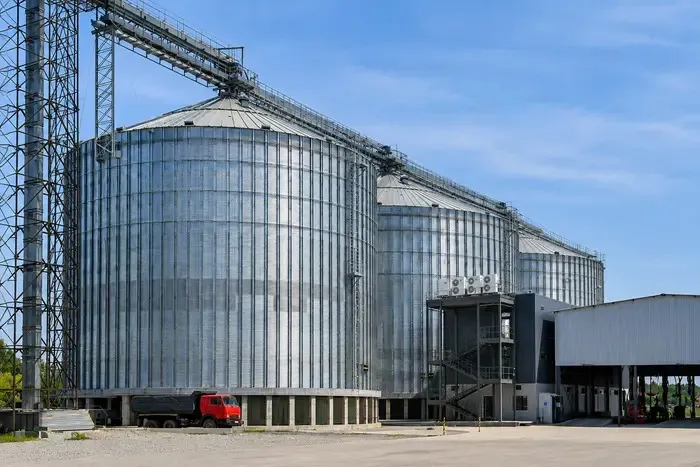
A Russian attack on August 31 damaged the “Ukrelevatorprom” grain terminal in the Port of Odesa, which is affiliated with the American agribusiness corporation Archer Daniels Midland. ADM confirmed the damage and stated that all employees were unharmed. The company is currently assessing the consequences of the strike and deciding on next steps.
On August 31, Russian forces attacked the Port of Odesa with drones. The strike damaged the “Ukrelevatorprom” grain terminal. The damage was reported by the American agribusiness corporation Archer Daniels Midland, or ADM. The company confirmed the information in response to a request from Reuters.
According to ADM, all of its employees were unharmed following the attack. There are no reports of fatalities or injuries among the company’s staff. The corporation noted that it is currently assessing the situation at the facility and determining next steps. However, ADM has not yet disclosed the extent of the damage or whether it will affect the terminal’s operations. “We are assessing the situation and determining next steps,” the company said.
What is known about the terminal
“Ukrelevatorprom” operates in the Port of Odesa. The facility receives, stores, and ships grains, legumes, and oilseeds. The terminal consists of two operational sections. In total, the facility has 38 silos for grain storage.
The first section is equipped with rail unloading stations, transport equipment, and a ship loader. There are 28 silos located here, each of which can hold up to 6,000 metric tons of grain. The second section features a two-lane station for unloading trucks. There are also 10 silos here, each with a capacity of 4,200 metric tons.
Thus, the terminal has significant capacity for the storage and transshipment of agricultural cargo. Through it, Ukrainian grain and oilseeds can reach foreign markets via the Black Sea.
The terminal resumed operations after the start of the full-scale war
After Russia’s full-scale invasion began, operations at the facility were suspended. The situation changed following the launch of the maritime “grain corridor,” which allowed Ukraine to resume exporting agricultural products by sea. Between July and December 2022, over 1 million metric tons of grain and oilseeds were exported through this terminal.
The ports of Odesa remain a vital part of Ukraine’s agricultural exports. Through them, Ukraine ships grain to international markets, including buyers in Asia, Africa, and the Middle East. That is why Russian strikes on port infrastructure can affect not only individual enterprises but also the supply chains for Ukrainian agricultural products.
Attacks on Ukrainian ports are affecting grain shipments
The damage to “Ukrelevatorprom” occurred amid a new wave of Russian attacks on Ukrainian port infrastructure. According to Reuters, disruptions to Black Sea shipments are already forcing some Asian buyers to seek alternative sources of wheat. In particular, importers have begun to actively purchase grain from Australia and Argentina.
According to the latest deals reported by Reuters, at least 500,000 metric tons of Australian and Argentine wheat were purchased. Australian Premium White wheat cost approximately $315–330 per metric ton, including cost and freight. Argentine grain was sold for approximately $310–315 per metric ton.
By comparison, most Black Sea shipments scheduled for delivery in August–September cost around $260–280 per metric ton. In other words, due to problems with Black Sea shipments, buyers are having to seek out more expensive alternatives.
Wheat Prices Have Surged
Amid disruptions to supplies from the Black Sea region, wheat prices are also rising on global markets. According to Reuters, wheat futures on the Chicago Mercantile Exchange have risen by about 35% since the end of June. On Tuesday, prices reached their highest level in about three and a half years.
At the same time, Asian millers have already contracted for about 2–2.5 million metric tons of Black Sea wheat for delivery in July–September. This accounts for approximately 30–50% of import demand in this segment. Due to shipping delays, market participants fear that some shipments may not reach buyers by the scheduled dates. As a result, importers are having to quickly seek alternative options to ensure they do not run short of the necessary grain supplies.
Some of the grain is being shipped in containers
Container shipping has become another way to circumvent the delays. Some importers have already begun using containers to ship wheat. While this method is more expensive and cannot fully replace large ocean shipments, it allows for faster fulfillment of current needs.
This is particularly important for the market right now, as some shipments from the Black Sea are being delayed due to attacks and damage to port infrastructure. As a result, Russian strikes are creating additional problems not only for Ukrainian exporters. They are also forcing foreign buyers to change routes and seek grain from other countries.
What Will Happen to the Terminal
So far, ADM has not reported the extent of the damage to “Ukrelevatorprom” or when the facility will be able to resume full operations. The company is assessing the consequences of the attack. Only then will it be possible to discuss potential downtime, the need for repairs, and the impact of the damage on grain exports.
At the same time, the very fact of the strike on the terminal shows just how vulnerable Ukraine’s port infrastructure remains. Despite the continuation of maritime exports, Russia regularly attacks facilities related to the transportation and storage of agricultural products. It is currently known that no ADM employees were injured, and the damage to the terminal has been confirmed by the company itself. The extent of the damage and the future of the facility should become clear once the assessment is complete. This was reported by Reuters.
In Odesa, the number of people injured as a result of the Russian attack has increased. Three children are among the injured.




