
Snow and icy conditions complicate drone operations and infantry movement at the front — Trehubov
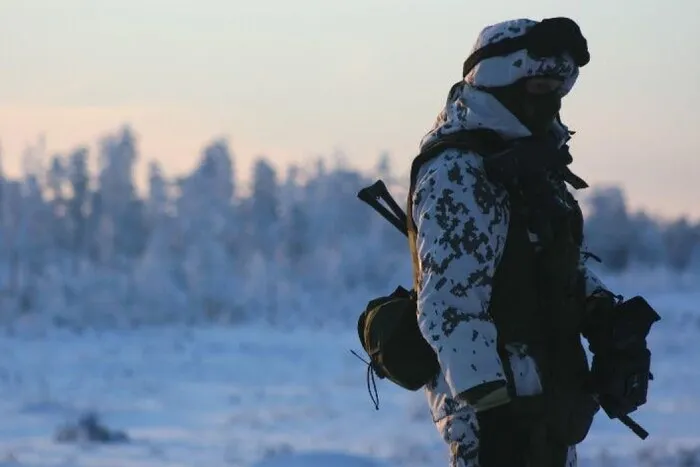
Heavy snowfall, icy conditions and sharp temperature fluctuations are reducing the effectiveness of unmanned aerial vehicles on the front line.
This was stated on television by Viktor Trehubov, Head of the Communications Department of the Joint Forces Grouping.
“Snow and ice affect the effectiveness of UAVs. At extremely low temperatures, drones flying along roads become less effective due to the freezing of fibre-optic cables. Even at slightly higher temperatures, there are additional challenges: when temperatures shift from above zero to below zero within a single day, ice accumulates on the drone propellers, making take-off more difficult,” Trehubov explained.
He added that weather conditions affect not only equipment but also infantry movement. At the same time, the enemy is trying to adapt to the difficult conditions by using camouflage and features of the terrain, including remnants of pipes and warehouse facilities.
It should be recalled that in Kharkiv region, Ukrainian units are not only repelling enemy attacks but are also clearing settlements.
It is also recalled that the 1,436th day of Russia’s full-scale armed aggression against Ukraine has begun. Overall, 117 combat engagements were recorded over the past day.
