
Satellite images on soldiers' smartphones sped up decision-making by 90%
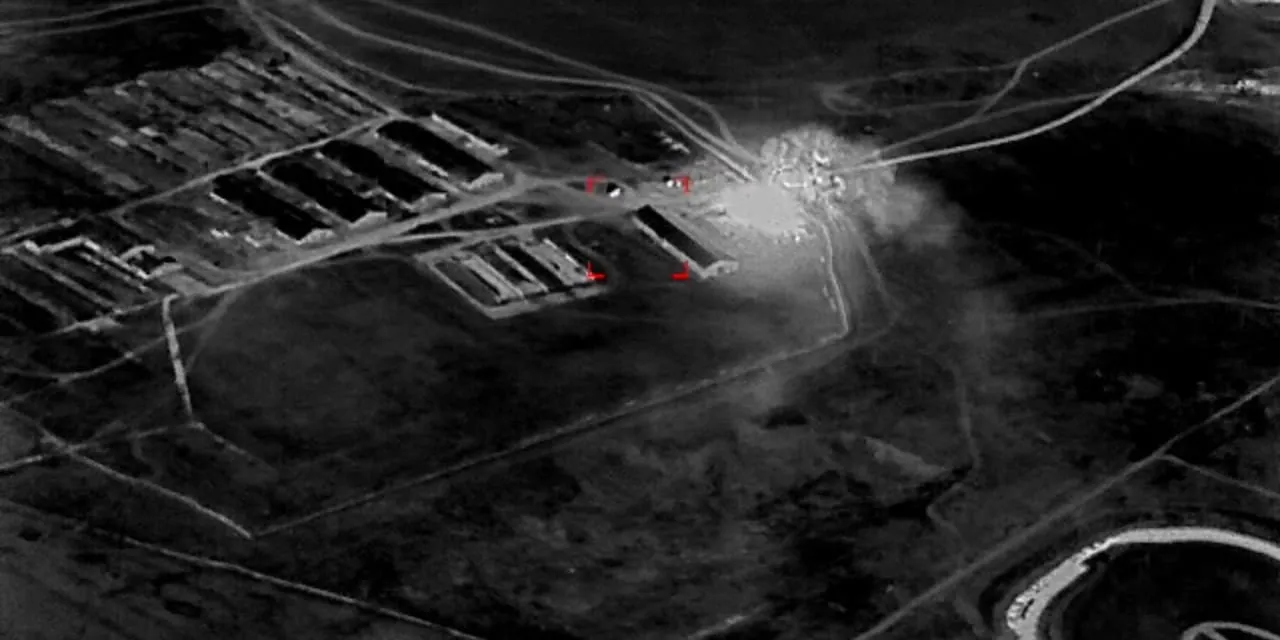
The direct delivery of satellite imagery to Ukrainian troops on the front lines has significantly increased the speed at which enemy targets are detected and neutralized. Thanks to rapid access to up-to-date data, the time required to locate and destroy Russian targets has been reduced by 90%. This has significantly complicated the operations of the occupying forces’ logistics chains and command-and-control systems.
The military detected suspicious signals from electronic devices in a building hidden beneath dense trees, but a standard reconnaissance drone was unable to make out the target due to the spring foliage.
The soldiers then utilized high-resolution commercial satellite imagery, which was transmitted directly to their mobile devices. The data clearly showed the metal frames of armored vehicles, and after three days of surveillance, the unit successfully struck the identified occupiers’ command post with a strike drone.
This operational reconnaissance is provided by satellites from the American company Vantor. Large-scale testing of the technology has been ongoing for the past six months as part of a transatlantic collaboration between the American firms Vantor and Persistent Systems, the Dutch company Bravo1Alpha, and the Ukrainian defense enterprise “Bureviy.”
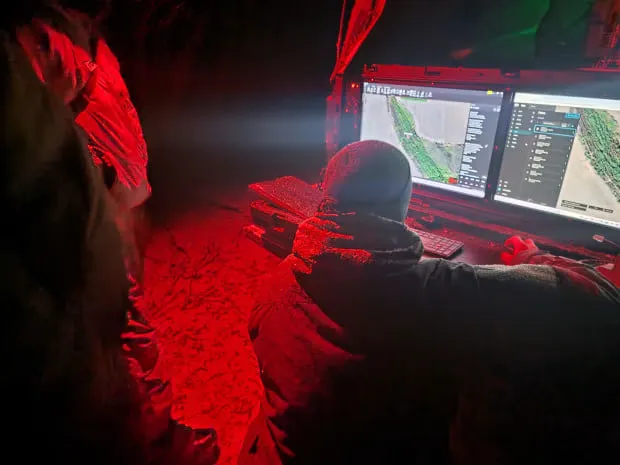
The same satellites used to monitor illegal fishing or update Google Maps have found a new effective application in the war.
The use of satellites helps Ukraine save time and money, as the military no longer needs to risk expensive reconnaissance drones, which the Russians often shoot down or jam with electronic warfare (EW) systems. Thanks to space-based data, the reconnaissance cycle now takes a matter of hours instead of weeks, which were previously lost due to lengthy coordination at headquarters or because of fog and snow.
A striking example of the system’s effectiveness was the spring mission known as Starfall II. During this operation, Ukrainian soldiers from the 422nd LUFTWAFFE Unmanned Systems Regiment used satellite imagery to locate and destroy a large Russian ammunition depot that the occupiers had set up in a former grain silo.
The military compared recent orbital images with older photographs of the same area taken before the full-scale invasion. They noticed changes in the infrastructure and fresh tire tracks from military trucks that had been unloading shells, after which they promptly sent kamikaze drones to the site.
Vantor satellites transmit images to devices in just 15 minutes, completely bypassing centralized verification in Kyiv. Previously, bureaucratic procedures and disputes between agencies over access to information delayed intelligence data by hours or days, often rendering it obsolete by the time it reached the front lines.
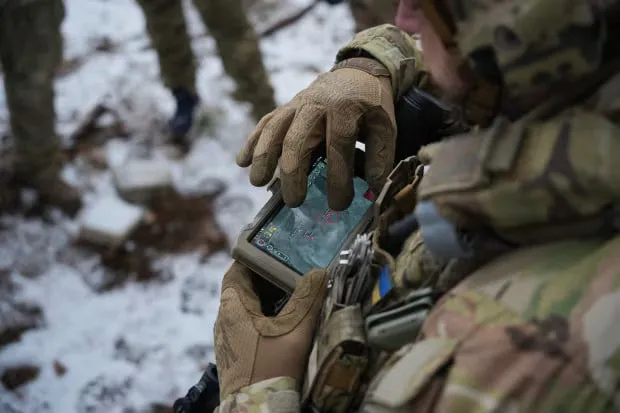
A constellation of 10 Vantor satellites covers 7 million km² of Earth daily, imaging any point on the planet 12 to 15 times a day. The coordinates of objects in these images are accurate to within 5 meters, which, according to the Ukrainian military, is more than enough for drone strikes.
Western countries are already adopting Ukraine’s experience: Last year, U.S. Special Operations Command added software to transmit commercial imagery to soldiers’ mobile devices. The U.S. Army is also working on creating a high-speed information system that will give military personnel of all ranks access to satellite data without lengthy headquarters approvals.
A small unit of the Ukrainian Armed Forces tested the new technology, according to The Wall Street Journal.
Defense forces struck Russian oil depots, terminals, and arsenals.
Separate reports indicate strikes on areas where Russian troops were concentrated near Pokrovsk, Rodynske, and Petropavlivka, as well as in the Kursk region of Russia, where enemy units were stationed. The General Staff emphasizes that these actions are aimed at reducing Russia’s military capabilities, particularly its logistics, fuel supply, and command-and-control capabilities on the front lines. This was reported by the General Staff of the Armed Forces of Ukraine.
The Security Service of Ukraine confirmed the strike on the Ust-Labinsk oil depot in Russia’s Krasnodar Krai, where a massive fire broke out following the explosions. Also, according to the SBU, military facilities in the Leningrad region and the Kronstadt area were hit.


