
The number of Chechens in Akhmat has dropped significantly
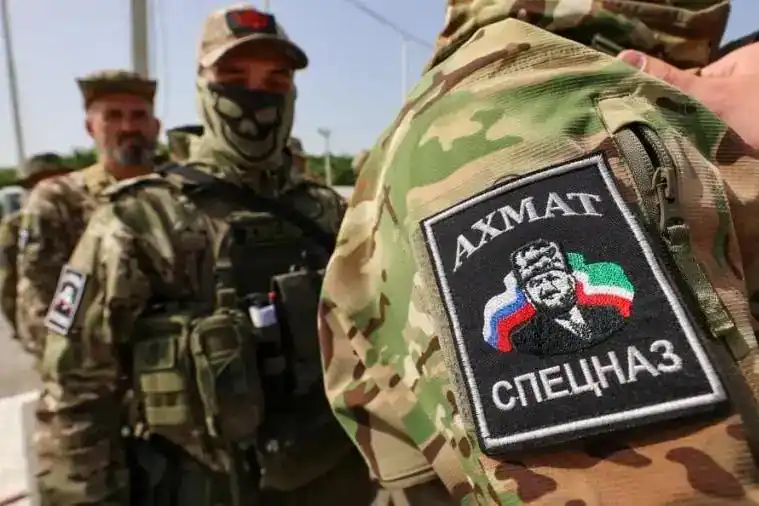
The “Akhmat” unit, which for a long time was considered predominantly Chechen, has significantly changed its composition. According to an investigation by *Novaya Gazeta Europe*, there are now approximately six recruits from other regions of Russia for every Chechen in the unit.
Journalists also found that due to heavy losses and a shortage of volunteers, the Chechen authorities were forced to ease recruitment requirements, increase pay, and even cut social benefits in order to attract new contract soldiers.
The “Akhmat” special forces unit, which Ramzan Kadyrov has for years portrayed as an elite Chechen unit, is now predominantly composed of non-Chechens. These are the conclusions reached by journalists from “Novaya Gazeta Europe,” who spoke with former members of this unit and analyzed documents. According to the investigation, while most volunteers were ethnic Chechens at the start of the full-scale war, the situation changed dramatically within just a few months. Between March 12 and April 25, 2022, Chechen authorities sent 928 volunteers to the front. Of these, 908 were ethnic Chechens.
However, during the next wave of recruitment, from April 1 to May 4, 2022, 1,496 volunteers were enlisted. Of these, only 388 were Chechens, while the remaining 1,108 were from other regions of Russia, predominantly ethnic Russians. As a result, according to journalists’ estimates, there are currently about six fighters of other nationalities for every Chechen in “Akhmat.”
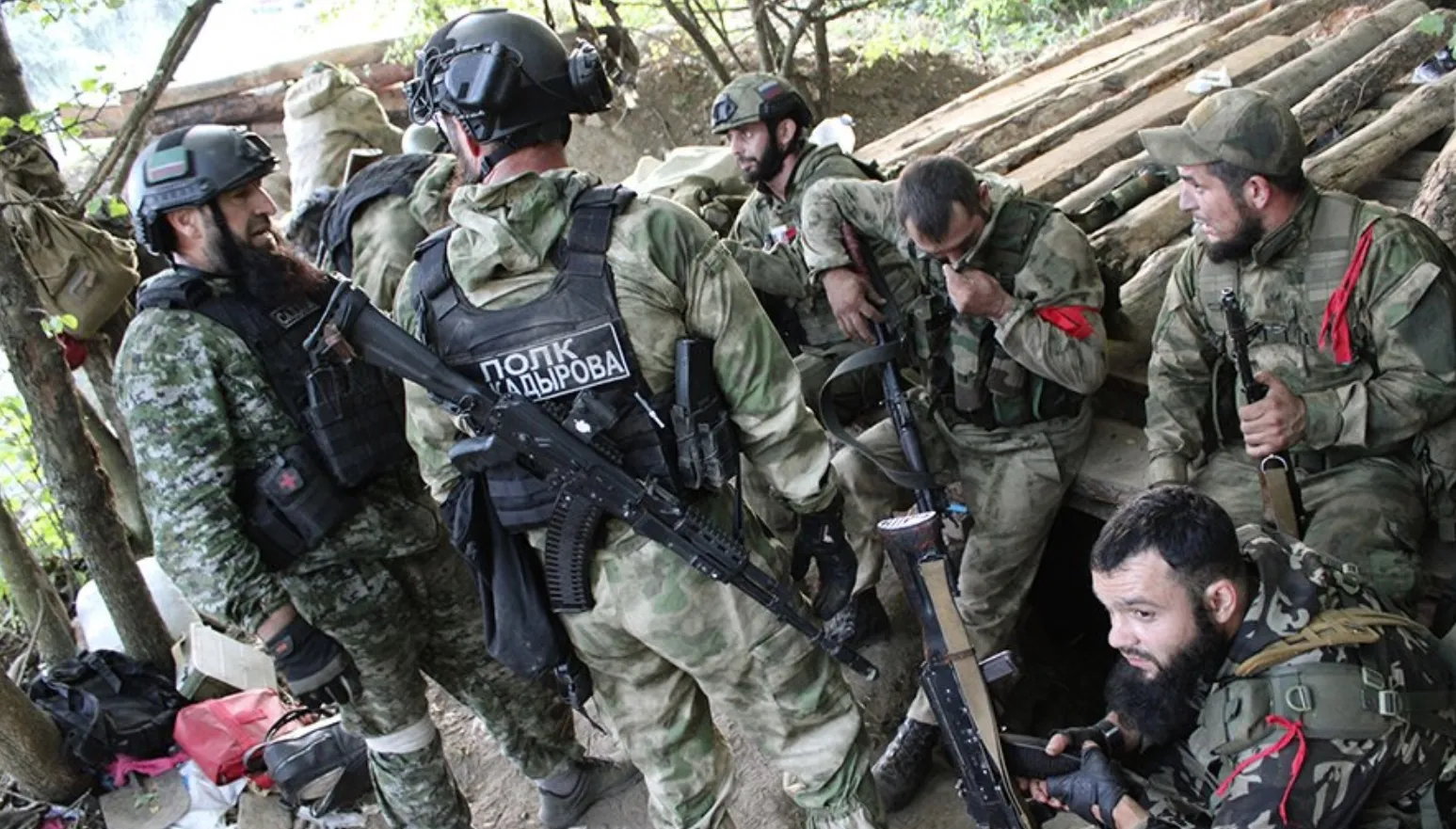
The investigation also revealed that the unit’s soldiers sign contracts not with the Russian Guard or the Russian Special Forces University, as Russian propaganda often claims, but directly with the Russian Ministry of Defense through military unit No. 16554. This refers to the 71st Guards Motorized Rifle Regiment, which is based in the village of Kalinovskaya in the Naursky District of Chechnya. In addition to volunteers, personnel from the Russian Guard, the police, and other law enforcement agencies were actively transferred to “Akhmat.” As a result, a personnel shortage began to be felt in Chechnya itself.
To compensate for the shortage of personnel, local authorities resorted to additional measures. According to journalists, some low-income residents were even deprived of social benefits, effectively pressuring them to sign contracts with “Akhmat” or other security agencies. At the start of the full-scale war, the requirements for candidates were also significantly relaxed. The authorities paid almost no attention to the health, age, or criminal history of those who volunteered. In exchange for signing a contract, they were offered a one-time payment of 300,000 rubles, as well as basic equipment provided at the expense of Ramzan Kadyrov’s fund.
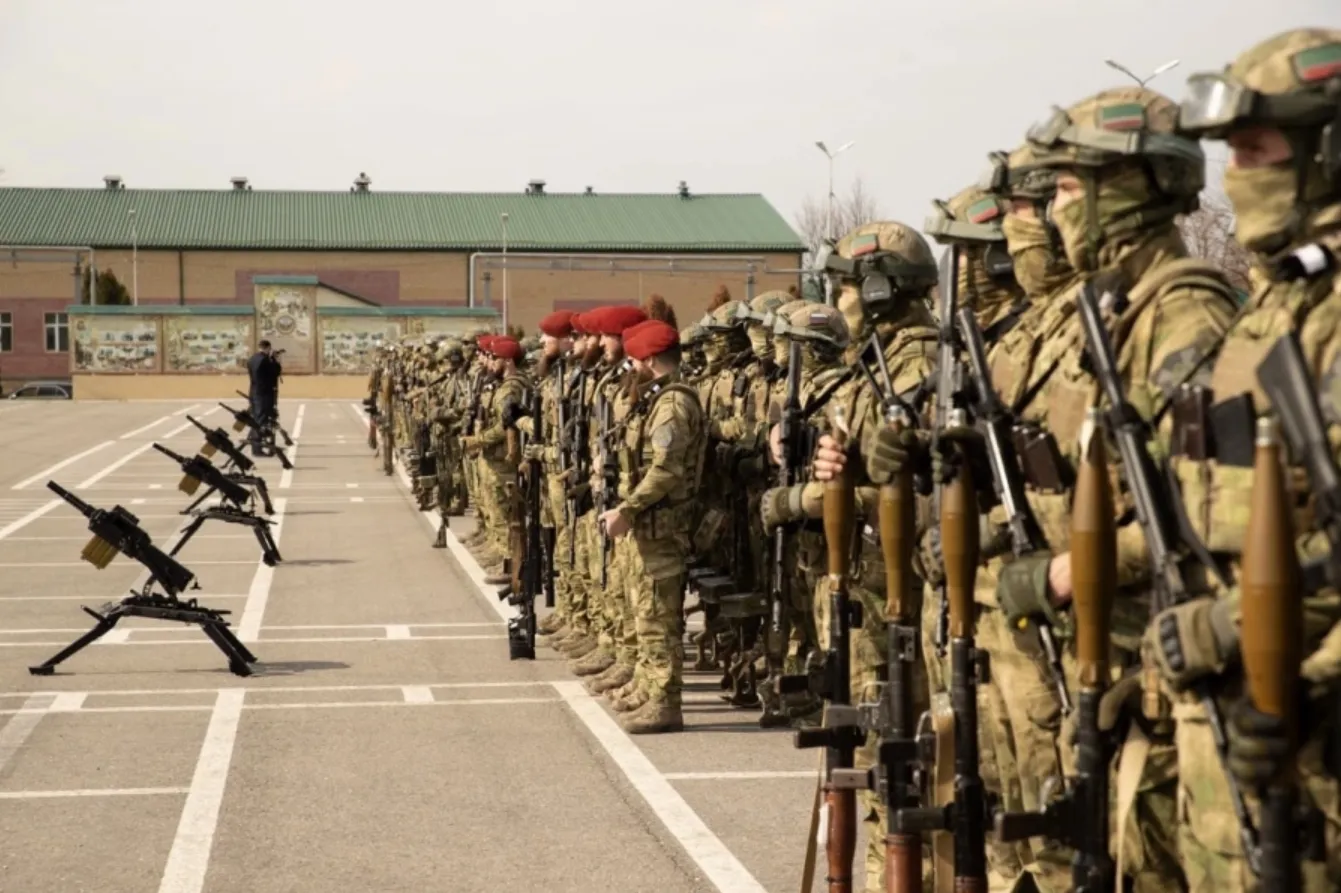
However, the situation later deteriorated. One former fighter told reporters that the equipment left much to be desired. “We weren’t issued helmets or body armor. The first-aid kits were very basic, and the equipment was cheap and of poor quality,” the publication quotes him as saying. Against this backdrop, the number of people willing to join the unit began to decline rapidly. While more than 9,000 volunteer contracts were signed across Chechnya in the first nine months of 2022, by 2025 there were only 3,374 such contracts.
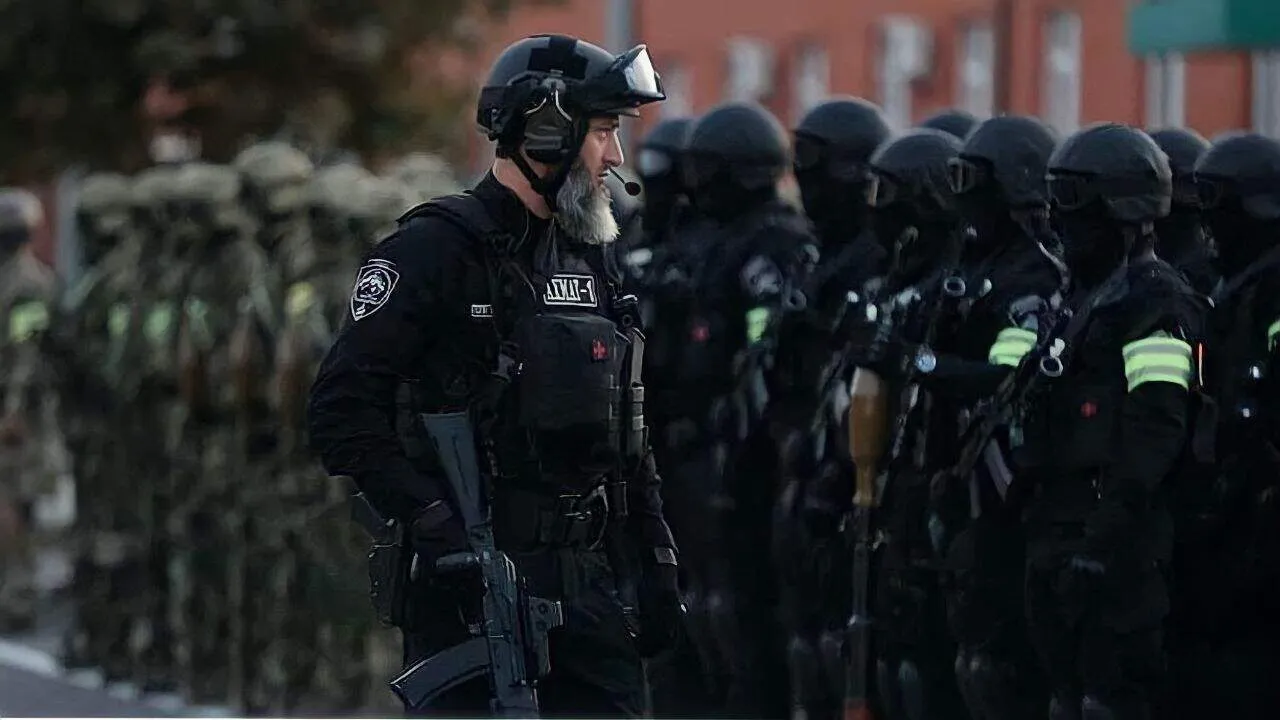
In February 2026, the Chechen authorities allocated more than 1.2 billion rubles from the republic’s budget to once again increase payments to volunteers. The one-time bonus was increased to 400,000 rubles. However, even this did not significantly change the situation. In the first four months of 2026, only 1,016 new contracts were signed in Chechnya.
Journalists note that due to heavy losses, most ethnic volunteer units in the Russian army had effectively ceased to exist as separate formations as early as 2023. One of the most well-known examples was the Tatar “Alga” battalion. At the same time, it was precisely in Chechnya that the authorities continued to create new battalions and regiments under the “Akhmat” brand, but they were staffed primarily not by Chechens, but by soldiers from other regions of Russia.
Despite this, “Akhmat” units continue to suffer casualties. In particular, in late May, it was reported that the Ukrainian Defense Forces launched a missile strike using HIMARS against the training ground of the Rosgvardia’s “Akhmat” special battalion in the Kursk region, where servicemen from that unit were stationed.


