
More than 30 employees of the Zaporizhzhia Nuclear Power Plant remain in Russian captivity

More than 30 residents of Energodar, including employees of the Zaporizhzhia Nuclear Power Plant, remain in captivity under the Russian occupiers. And these are only the ones officially accounted for. Most of them have already been sentenced by the occupying authorities to long prison terms.
This was reported by Energodar Mayor Dmytro Orlov.
Among the captives is 64-year-old Serhiy Spartesny, shift supervisor of the turbine department at the sixth power unit of the Zaporizhzhia NPP. The occupiers have held him captive since July 2023, and in September 2024, they sentenced him to 12 years in a maximum-security prison.
His wife, Natalia, has not lost hope for her husband’s release. She has appealed to Ukrainian and international institutions, written letters, spoken publicly, and sought every possible way to influence the situation—and continues to do so to this day.
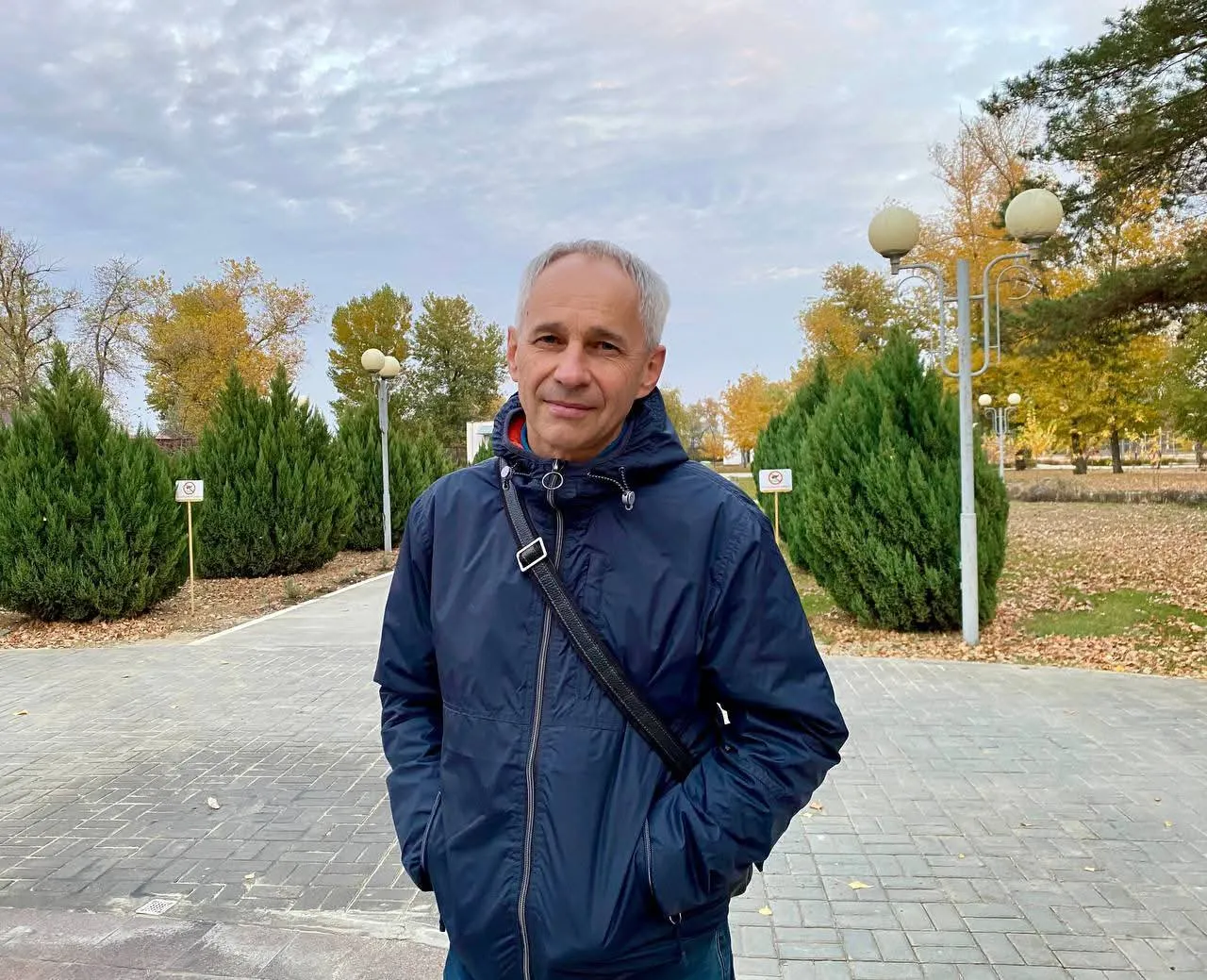

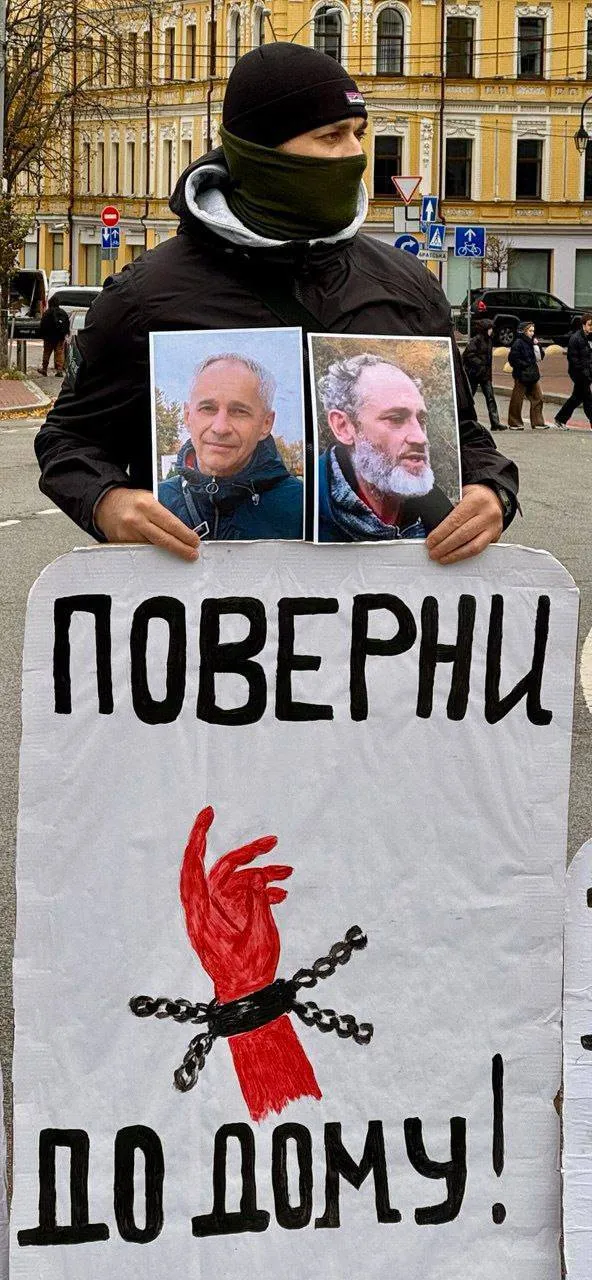
Natalia recently shared her story in Vienna, at the IAEA headquarters. The audience included experts, diplomats, and representatives of international organizations. For many of them, it came as a revelation that nuclear industry specialists could be held captive, tortured, and sentenced simply for refusing to cooperate with the occupying authorities.
“Natalia’s story is not just the story of one family; it is a story of how the Russians punish people for their principles, honesty, and integrity—for refusing to betray,” human rights activists note.
Earlier, the IAEA reported on the critical condition of the Zaporizhzhia Nuclear Power Plant. The plant, which is temporarily under the control of Russian military forces, is currently connected to only one external power line. The agency emphasizes that this situation is extremely unstable and increases risks to the facility’s nuclear safety.
The Occupied ZNPP: What Is Happeningat the Plant and Is Russia Capable of Restarting It?
Additionally, in response to the idea of joint management of the Zaporizhzhia Nuclear Power Plant proposed by the U.S., Russian representatives stated their refusal to compromise.
Earlier, Rostekhnadzor issued a 10-year operating license for the first power unit of the temporarily occupied Zaporizhzhia Nuclear Power Plant.
The Ukrainian Ministry of Energy strongly condemned Russia’s attempt to issue a “license” for one of the power units at the Zaporizhzhia NPP, calling it a despicable and dangerous move. Restarting the reactor under occupation poses a risk of a nuclear accident and has international implications.
The Zaporizhzhia NPP, with a capacity of six gigawatts—accounting for a quarter of Ukraine’s pre-war electricity generation—remains a central point in discussions regarding a future peace agreement.
