
In Russia, propagandists have begun to publicly question the effectiveness of Moscow's air defense system
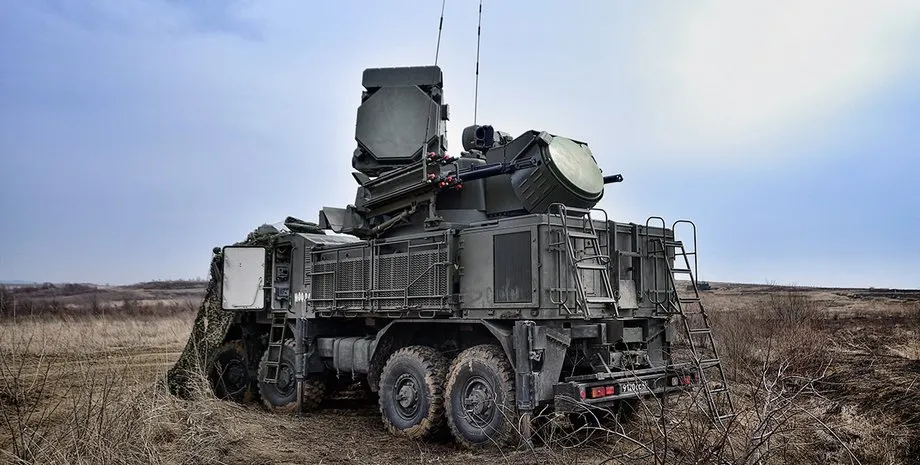
Following strikes on targets in the Moscow region, Russian propaganda outlets began, for the first time, to openly express doubts about the reliability of the air defense system surrounding the Russian capital. Previously, such statements in the Russian media had been made much more cautiously or had not been voiced publicly at all.
This was stated by Andriy Kovalenko, head of the Center for Countering Disinformation at the National Security and Defense Council of Ukraine.
According to him, in addition to damaging a number of strategic enterprises linked to the Russian military-industrial complex and oil infrastructure, the attack had another significant informational consequence.
Kovalenko noted that Russian propaganda had previously avoided directly questioning the air defense system’s ability to protect Moscow. Since Soviet times, the Russian capital has been perceived as a particularly protected territory, and during Vladimir Putin’s rule, several rings of air defense were built around the city so that Moscow residents would not feel the effects of war.
However, according to the NSDC representative, the situation is beginning to change.
“Russian propagandists are openly questioning the reliability of the air defense system, which was not the case before,” Kovalenko stated.
He added that the more Moscow residents feel the war, the greater the chances of its end. At the same time, Kovalenko emphasized that strikes on Russian territory are a response to Russian attacks on Ukraine.
“It’s important to note that this is all in response to Russian attacks. They are the ones taking the first actions, and we are responding in kind,” he noted.
On the night of May 17, a number of military-industrial complex and energy facilities in Moscow and the Moscow region were struck. Strikes were carried out on an oil depot in Durikino, an oil refinery in Kapotnya, the Angstrom microelectronics plant, and the Raduga Design Bureau, which develops cruise missiles.
On the morning of May 16, Moscow also came under attack by drones, causing airports in the Russian capital to temporarily suspend operations.
The “ATESH” partisan movement claimed responsibility for a sabotage operation in the Moscow region, which disrupted the functioning of elements of the Russian air defense system on the outskirts of the capital.


