
Russia has set up a crisis response center due to fuel shortages following attacks on oil refineries
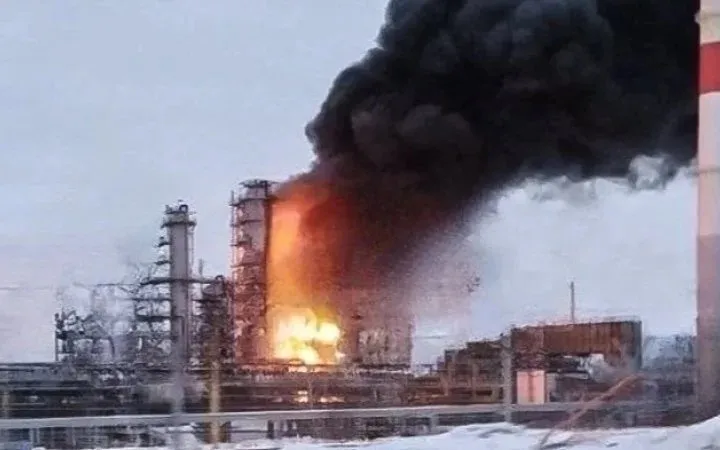
The Russian Ministry of Energy has acknowledged temporary difficulties with fuel supplies in southern regions and in the occupied territories. It cites the impact of drone strikes on oil refining infrastructure as the cause. To stabilize the situation, the ministry has established an industry task force to coordinate supplies and resolve logistical issues.
The ministry’s statement notes that fuel and energy companies “are facing an increase in enemy airstrikes,” which are causing disruptions in fuel supplies in a number of regions — primarily in southern Russia and the occupied Ukrainian territories.
All of the largest companies in the Russian fuel and energy sector have joined the newly created “headquarters.” The structure will ensure the “stable and effective operation” of the industry and will function on a permanent basis.
The creation of the “headquarters” is, in essence, Moscow’s official acknowledgment: systematic strikes on oil refineries are having an effect. As early as late May, a limit on gasoline sales was introduced in the occupied territories—no more than 20 liters of A-95 per day per person. In Sevastopol, fuel was reserved exclusively for emergency services.
Read also:
Gas prices have skyrocketed in Moscow.
The EU may freeze the price cap on Russian oil — Bloomberg.
As a reminder, amid the escalating situation in the Middle East, the discount on Russian Urals crude began to rise for the first time in recent months. However, experts say that expensive oil will not save the Russian economy from a slowdown.
The price of Russian Urals crude at Indian ports jumped to a record $121.65 per barrel.


