
Number of homeless children rises in Russia for the first time in five years
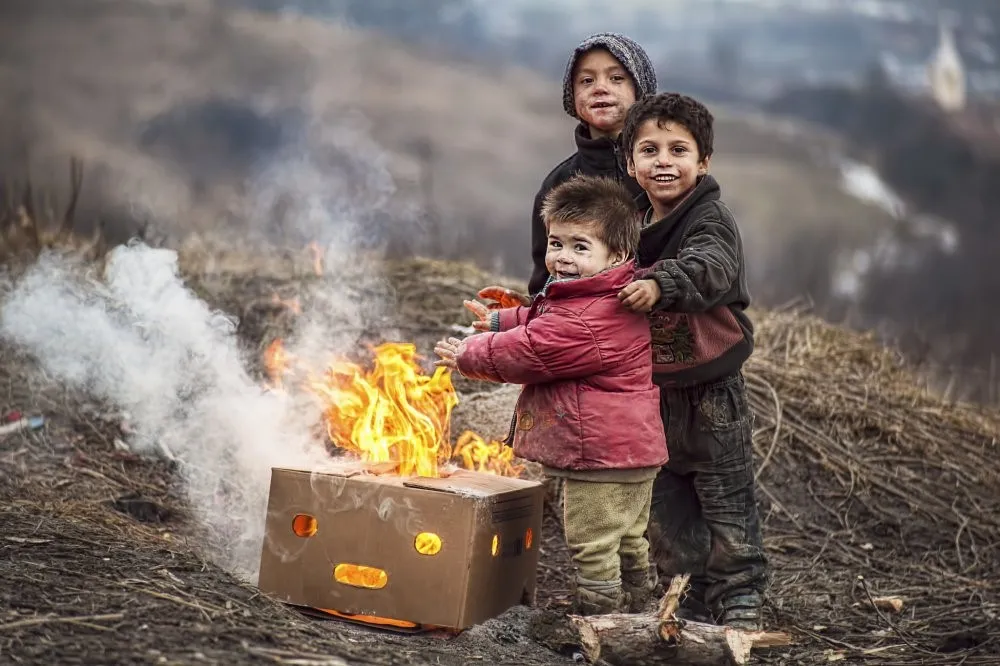
According to year-end 2025 data, the number of children identified by law enforcement in Russia as being without adult supervision increased by 2.1% compared to the previous year, reaching 57,400 individuals.
This was reported by Kommersant.
According to state statistics, this is the first increase since 2021, when a steady downward trend had been observed. The highest numbers of such minors were recorded in Moscow, Tuva, Dagestan, as well as in Chelyabinsk and Sverdlovsk regions.
The Ministry of Internal Affairs of Russia did not provide official explanations for the increase, limiting its statements to noting that most children were found in locations that posed risks to their health and development, or at night without legal guardians. At the same time, experts emphasize that this is primarily a matter of “neglect” rather than classic “homelessness,” as most children have families but do not receive proper attention or care due to socio-economic factors.
As Russia directs enormous resources toward conducting the war and militarizing society, domestic social issues—including child protection—are increasingly sidelined. The rise in children without supervision may be a consequence of a general decline in living standards, increased alcohol abuse, and the loss of parental income in certain regions. Additionally, social services face increased burdens caring for the children of combatants and minors deported from Ukraine, reducing the quality of support for vulnerable local families.
UK intelligence notes that Russia’s demographic crisis is deepening due to the full-scale war against Ukraine, mass emigration, and significant combat losses. Efforts by the Kremlin to stimulate birth rates are unlikely to halt population decline in the near term.
After three years of unexpected economic growth, Russia is now experiencing a sudden slowdown—war expenditures, inflation, and falling oil prices are weighing on an economy that until recently seemed resilient to sanctions.
