
Ukraine has nearly exhausted its locomotive reserves due to Russian attacks on the railway — FT
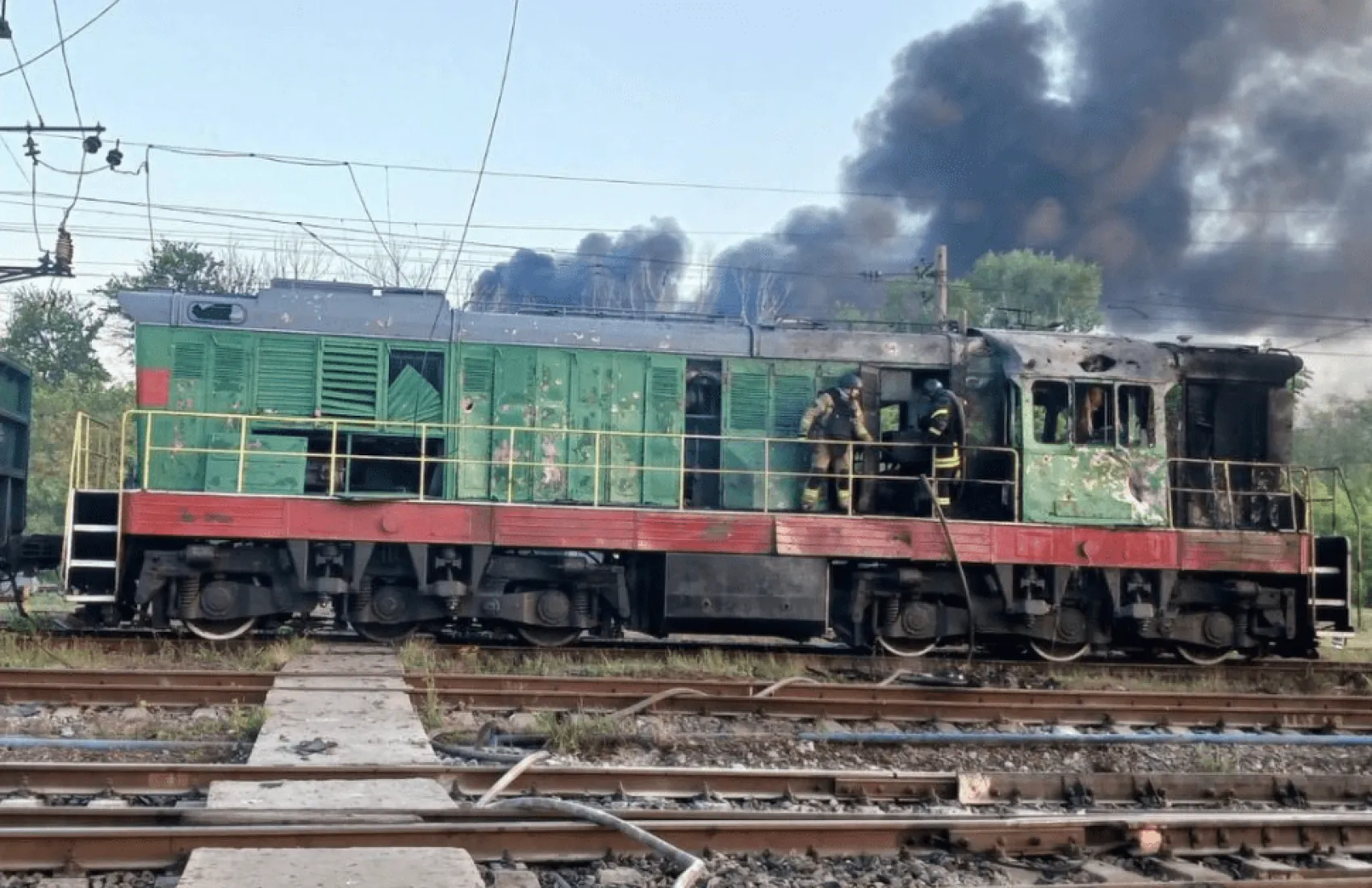
Ukraine has nearly exhausted its reserve of locomotives due to Russian attacks on the railway infrastructure. The country is currently negotiating with European partners regarding additional shipments.
The shortage of locomotives is already becoming one of the bottlenecks in export logistics. In particular, it is affecting the transport of grain and other cargo to Black Sea ports.
Taras Vysotsky, Ukraine’s Minister of Agrarian Policy and Food, reported that negotiations are underway with European countries whose railways have the same track gauge as Ukraine’s. This would allow additional locomotives to be deployed for transport more quickly.
The shortage of locomotives is already affecting port logistics. TIS Executive Director Mykyta Hrubov reported that three locomotives were lost in the area of the company’s terminal at the Port of Pivdennyi alone.
According to the FT’s assessment, the resumption of operations at Black Sea ports does not in itself solve the problems facing Ukrainian exports. To load ships, goods must first be delivered to the docks, and the railway’s capacity is being reduced due to the loss of rolling stock.
In recent weeks, Russia has intensified its attacks on trains carrying grain and iron ore—two of Ukraine’s key export commodities.
Consequently, the state of the railway infrastructure is becoming yet another constraint on maritime exports, alongside navigation safety: even with available port capacity, a shortage of locomotives could hinder the delivery of cargo to ports.
This was reported by the Financial Times.
Ukrzaliznytsia has been temporarily authorized to purchase used locomotives without a bidding process.
JSC “Ukrzaliznytsia” has secured $100 million in grant funding as part of the RELINC project. The funds are earmarked for the purchase of used locomotives to replenish the company’s fleet.
Since the start of the full-scale invasion, 533 locomotives from Ukrzaliznytsia’s own fleet and 75 locomotives belonging to private industrial enterprises have been damaged. Therefore, the railway company needs not only to replace what has been lost but also to expand its locomotive fleet.




