
The ISW explained why the Kremlin announced the capture of Kostiantynivka
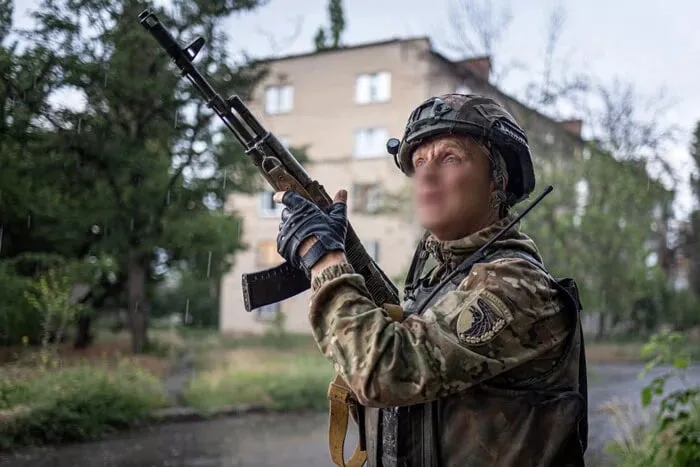
Analysts at the Institute for the Study of War (ISW) do not corroborate the Russian leadership’s claims regarding the alleged complete capture of Kostiantynivka. In their view, such reports are part of the Kremlin’s information campaign aimed at shaping a perception of the situation favorable to Russia among Western audiences, while the actual state of affairs on the front lines differs significantly from Russian rhetoric.
Analysts note that Russian forces have indeed achieved some tactical successes in the Kostiantynivka area over the past few weeks. However, this does not indicate that the city has been fully captured.
“Russian troops have achieved tactical successes in Kostiantynivka in recent weeks, but the bulk of the Russian presence in the city consists of small groups of saboteurs interspersed among Ukrainian positions,” the report states.
Analysts believe that statements by Russian President Vladimir Putin and the Russian military command regarding an alleged advance “across the entire front line” are part of a disinformation campaign.
According to the ISW, its main goal is to convince Ukraine’s Western partners that the Russian offensive is irreversible and that continued support for Kyiv will not change the situation.
The ISW also drew attention to Putin’s public meeting with Russian generals, which took place on the evening of July 3.
Analysts suggest that the timing of the meeting was not coincidental. In their view, the Kremlin sought to influence Western media coverage of the war during the holiday weekend marking U.S. Independence Day on July 4.
The Institute for the Study of War emphasizes that, alongside military operations, Russia is actively employing information and psychological operations.
According to experts, such statements by the Kremlin are intended to create the impression among an international audience that the Russian army is making rapid advances, although independent assessments of the situation on the battlefield do not confirm claims of full control over Kostiantynivka.
This is stated in a report by the U.S.-based Institute for the Study of War (ISW).
ISW explained why Russia has scaled back its large-scale strikes on Ukraine.
As a reminder, on the evening of June 30, Russian forces attacked an electric locomotive in the Dnipropetrovsk region with a drone. There were no casualties, as the locomotive crew was warned of the danger in time, and the workers managed to take cover.
Ukrainian drones struck eight of the ten largest Russian oil refineries by processing volume, with some facilities being hit multiple times.


