
The UN has warned that Ukraine is facing its harshest winter since the start of the full-scale war
Ukraine may face its harshest winter since the start of Russia’s full-scale invasion in 2022 due to the Russian Federation’s systematic attacks on energy and civilian infrastructure.
According to him, Ukraine is entering the winter season from a very weak position, as Russian troops are systematically striking civilian targets and energy infrastructure, particularly power grids.
“This includes gas stations, shopping centers, and business centers, but above all—energy infrastructure, power lines, and so on. There is absolutely no justification for this,” the UN representative emphasized.
De Kroo noted that the United Nations is very concerned about the potential consequences of the situation this winter.
According to him, large-scale damage to energy and other critical infrastructure could cause disruptions to heating, water supply, and sewage systems.
“Temperatures like those we see here (around -20 °C—ed.) would lead to conditions very close to a humanitarian catastrophe. This winter will be the hardest since the war began,” De Kroo stated.
The UN representative emphasized that a “race against time” is currently underway to restore damaged energy infrastructure before the cold weather sets in.
UNDP is helping Ukraine restore damaged infrastructure and build more resilient and decentralized energy facilities that should be less vulnerable to Russian attacks.
At the same time, De Kroo called the restoration of the energy sector amid constant shelling “an almost impossible task.”
According to him, energy workers and other employees are forced to repair damaged facilities even during air raid alerts. They are aware that they are working at sites that could be targeted again by Russian strikes, so some repair work has to be suspended due to the threat of an attack.
Despite this, Ukraine and its international partners are continuing to restore the energy system ahead of winter.
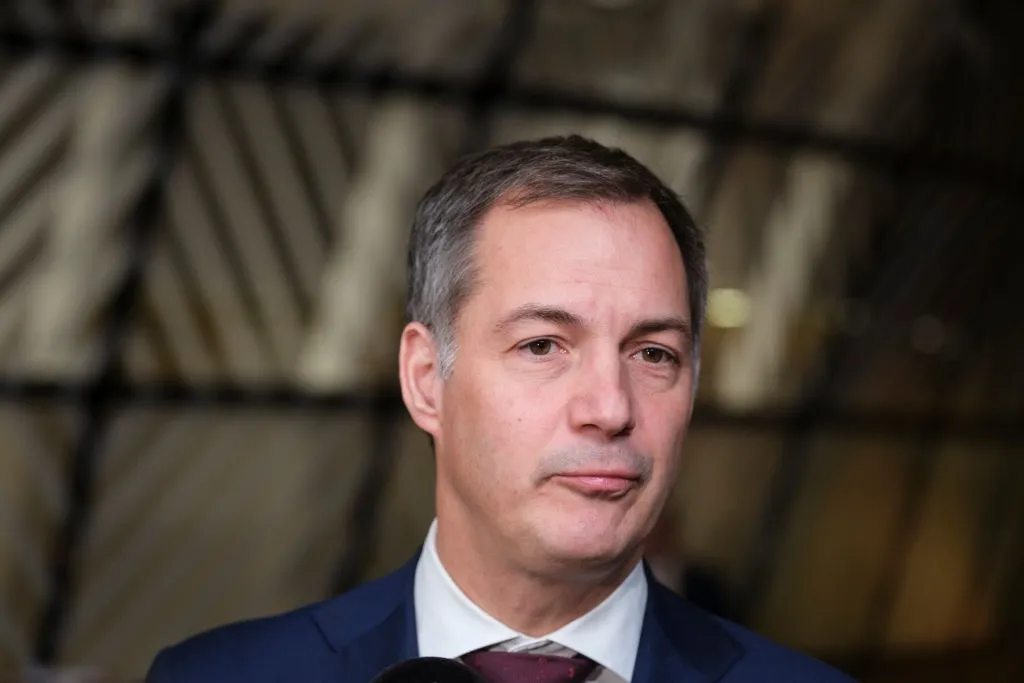
Alexander De Kroo, Administrator of the United Nations Development Programme (UNDP), stated this in an interview with the BBC.
Currently, a number of regions in Ukraine are experiencing a critical shortage of soil moisture at depths of up to one meter, a condition that is expected to persist until winter sets in and poses a threat to agriculture and public infrastructure.
On September 12, Prime Minister Serhiy Koretskyi stated that Ukraine is much better prepared for winter than it was a year ago. According to him, the government has Plans A, B, and C in case of Russian attacks.


