
June 12: World Day Against Child Labor
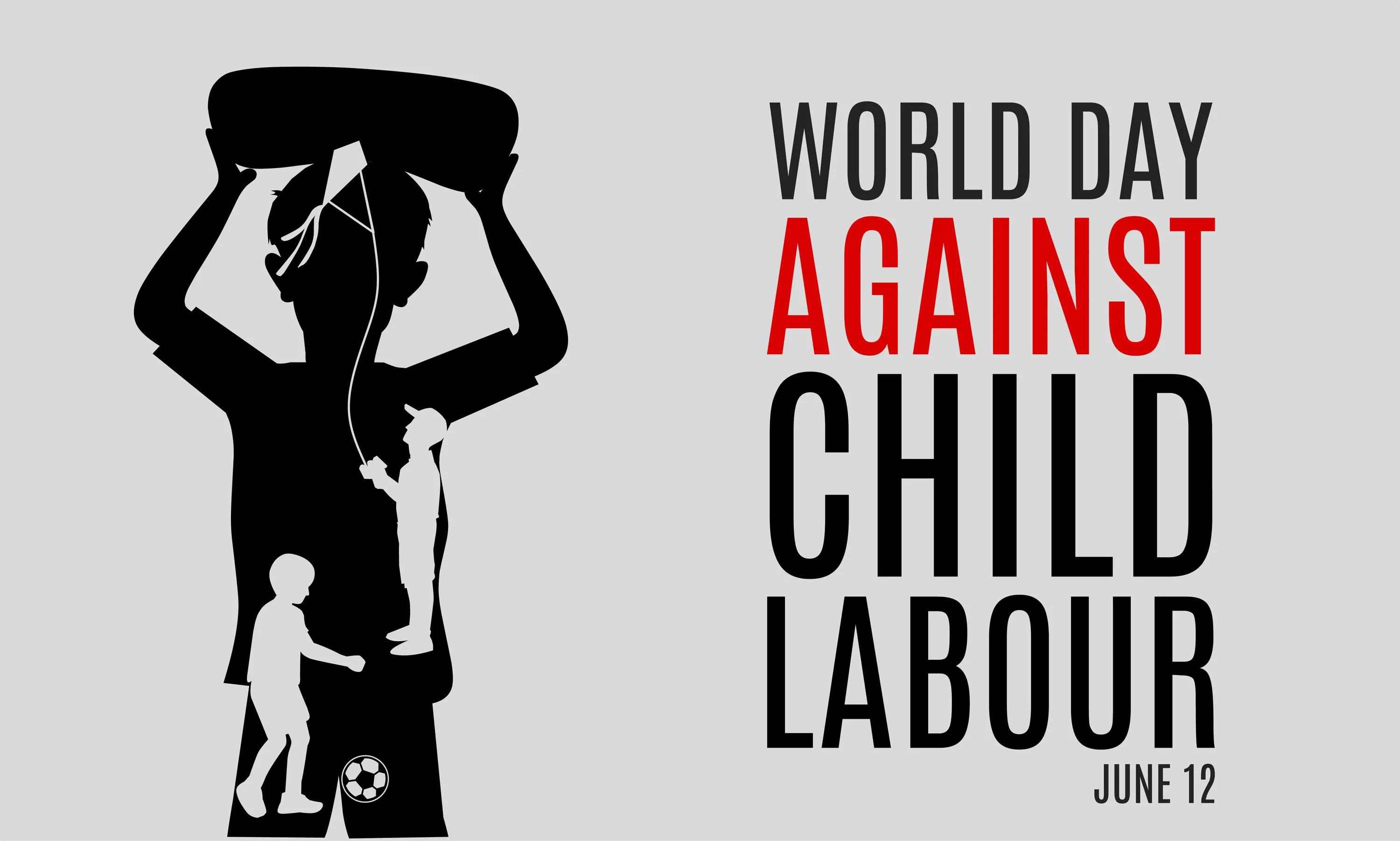
Every year on June 12, the world observes the World Day Against Child Labor. This day was established to draw attention to the millions of children who, instead of attending school, playing, and enjoying a safe childhood, are forced to work. The day serves as a reminder that child labor remains a serious problem for many countries and that the fight against it continues to this day.
On June 12, the world observes World Day Against Child Labor—an international day dedicated to protecting children’s rights. It is not a holiday in the traditional sense, but a day to draw attention to a problem that affects millions of boys and girls across the globe.
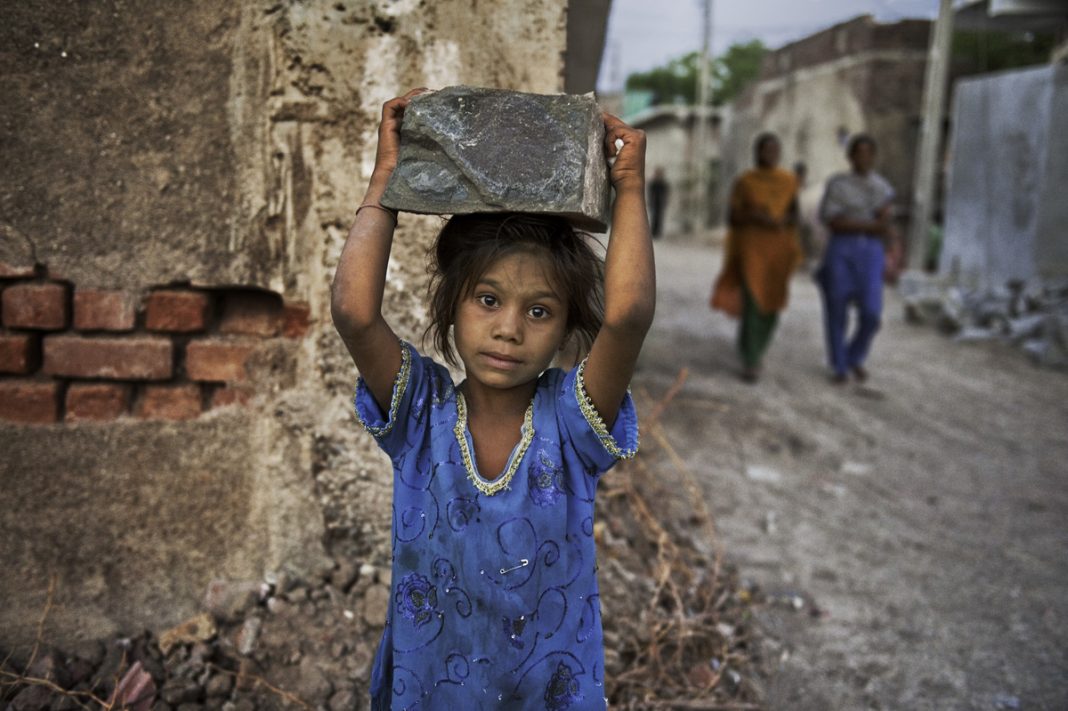
For many children, work begins at an age when they should be going to school, playing with friends, and making plans for the future. Instead, they work in fields, factories, construction sites, workshops, or even in dangerous conditions that threaten their health and lives. That is why international organizations, governments, charitable foundations, and human rights advocates use this day every year to remind us once again: childhood should not turn into hard labor.
How this day came to be
The World Day Against Child Labor was established in 2002 by the International Labour Organization (ILO), which operates under the auspices of the United Nations. The main goal was to draw attention to the scale of the problem and find real solutions to overcome it.

At the beginning of the 21st century, international studies revealed that hundreds of millions of children in various countries around the world were working instead of attending school. Some of them performed hard physical labor, while others found themselves in exploitative conditions that effectively robbed them of their childhood. The international community then decided to establish a special day to raise awareness of this issue annually. Since then, June 12 has become an important date for human rights organizations, educators, and social services in many countries around the world.
Why the problem remains relevant
Despite significant progress in recent decades, child labor has not completely disappeared. According to estimates by international organizations, millions of children continue to work in various sectors of the economy. This most often occurs in poor regions where families lack sufficient means to make ends meet. Sometimes children work alongside their parents on farms or in family businesses. However, there are also far more dangerous forms of child labor. These include mines, factories that use chemicals, construction sites, illegal enterprises, and other places where a child can suffer serious injuries.
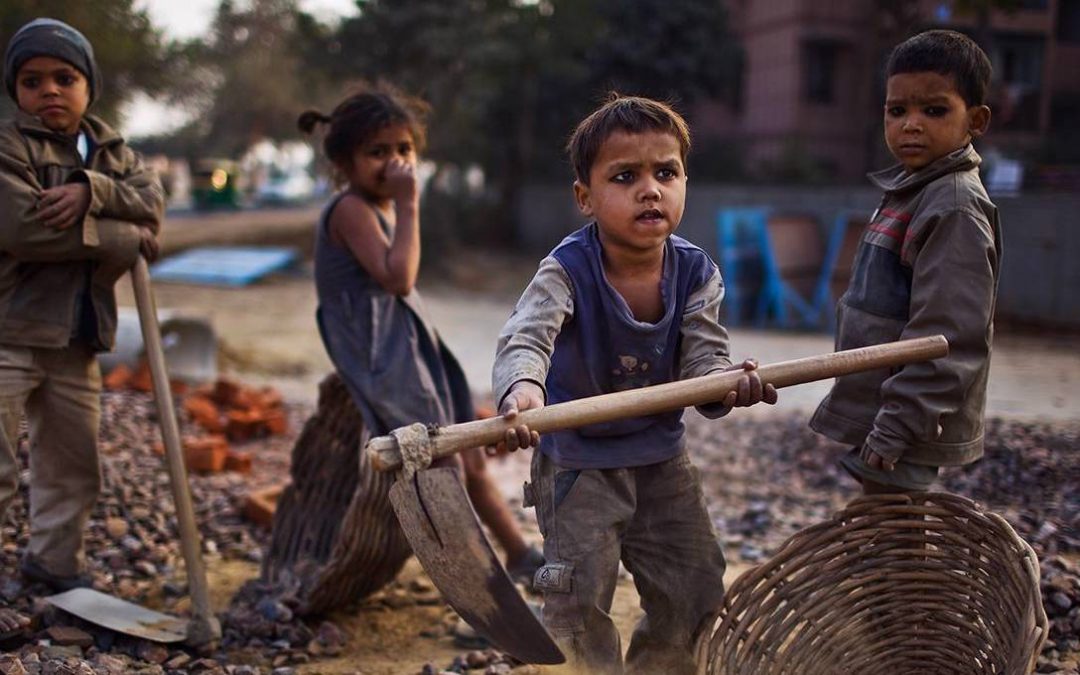
Experts emphasize that child labor is often linked not only to poverty but also to limited access to education, armed conflicts, migration, and social inequality.
How the World Marks This Day
On June 12, various countries host conferences, roundtables, exhibitions, and awareness campaigns. Organizations dedicated to protecting children’s rights publish new studies and reports to highlight the actual situation in different regions of the world. Schools hold open classes and themed lessons. Students are taught about children’s rights, the importance of education, and the dangers of child labor. Charitable events, flash mobs, and campaigns to support children in difficult life situations are often organized on this day.

On social media, international organizations launch awareness campaigns, while celebrities and public figures remind their audiences of the issue. The main goal of all these activities is to ensure that child labor is not forgotten not only on June 12, but throughout the entire year.
What the UN Says
UN and International Labour Organization documents repeatedly emphasize that every child has the right to education, rest, safety, and normal development. Childhood should be a time for learning, discovering the world, and shaping the future—not a struggle for survival. “Children should be in school, not working in dangerous conditions”—this is one of the main messages that international organizations voice every year during their campaigns leading up to June 12. “Every child deserves a safe and happy childhood,” human rights advocates around the world emphasize.

Many people believe that child labor is a thing of the past, but that is not the case. It still exists in dozens of countries and spans various sectors—from agriculture to industry. Interestingly, the largest number of working children are employed in the agricultural sector. They help harvest crops, tend to livestock, or work on plantations.
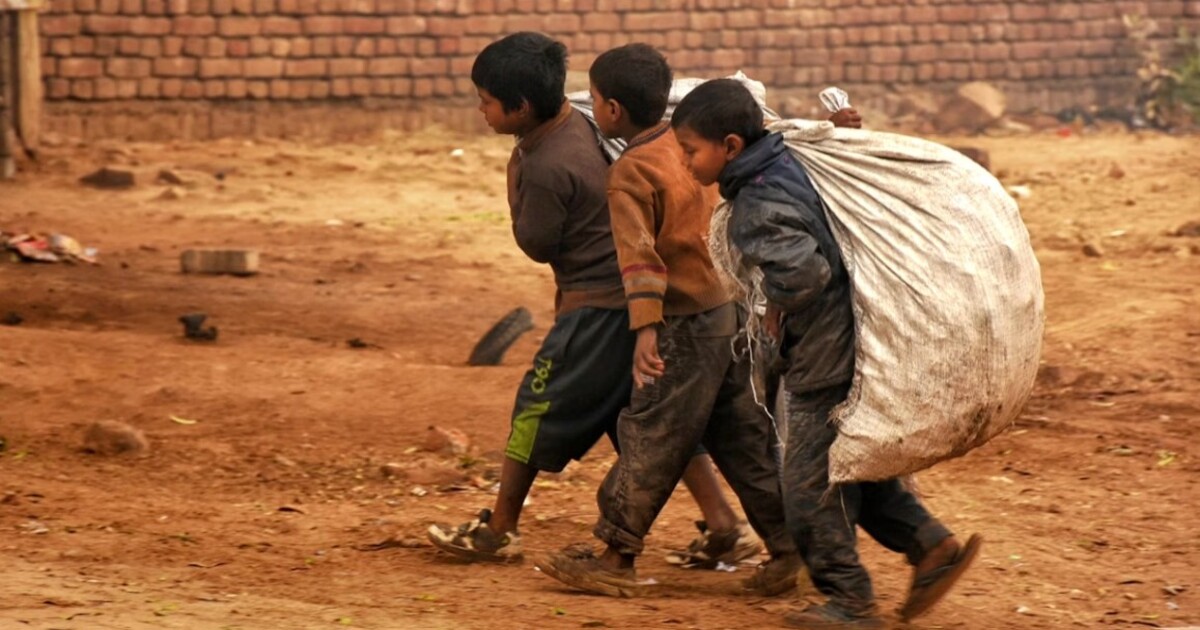
Another fact is that not all child labor looks the same. International organizations distinguish between light household chores and hazardous work that harms health, interferes with education, or prevents a child from developing normally. It is this latter category that causes the greatest concern worldwide and is the main focus of human rights advocates’ efforts.

In 2026, it falls on a Friday, in 2027 on a Saturday, and in 2028 on a Monday. Regardless of the day of the week, the main goal of this date remains the same—to remind the world that every child has the right to education, safety, and a true childhood free from hard labor.


