
The End of World War II: How Japan Surrendered on September 2, 1945
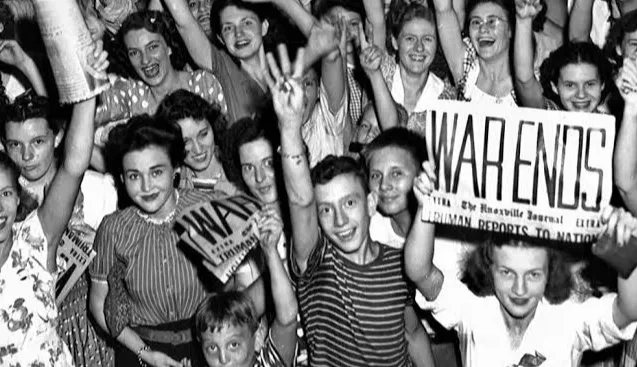
On September 2, 1945, aboard the American battleship *Missouri* in Tokyo Bay, Japan signed the instrument of unconditional surrender. This document brought World War II to a close—a conflict that lasted six years and became the largest armed conflict in human history. The war claimed tens of millions of lives, destroyed entire cities and nations, and changed the world forever.
World War II did not end with a single order or a single battle. In Europe, Nazi Germany had already surrendered in May 1945, but the war in Asia continued for several more months. Japan remained the leading Axis power and continued to fight against the Allies. The turning point came in August 1945. On August 6, the United States dropped an atomic bomb on Hiroshima, and on August 9, on Nagasaki. On the night of August 9, the Soviet Union also launched an offensive against Japan and its forces in Manchuria. Against the backdrop of these events, the Japanese leadership agreed to accept the terms of the Potsdam Declaration and surrender.

On August 14, Japan announced its readiness to surrender, and Emperor Hirohito addressed the nation with a statement accepting the terms of surrender. But legally, the war was not yet over. To end it, an official document had to be signed.
This took place on the morning of September 2, 1945, aboard the battleship USS Missouri in Tokyo Bay. The Japanese side was represented by Foreign Minister Mamoru Shigemitsu and General Yoshijiro Umezu. On behalf of the Allies, the document was signed by General Douglas MacArthur, Admiral Chester Nimitz, and representatives of other nations. The ceremony was brief—lasting about 20 to 30 minutes. After the document was signed, MacArthur declared the procedure complete. This moment is considered the formal end of World War II.

Japan’s Instrument of Surrender was also registered as an international document of the United Nations. The UN treaty database specifies the place and date of its signing—Tokyo Bay, September 2, 1945.
The War That Began in Europe
World War II refers to the global conflict of 1939–1945, in which dozens of countries participated. The main parties to the war were the Axis powers—primarily Nazi Germany, Italy, and Japan—and the Allies, which included Great Britain, France, China, the Soviet Union, and the United States. September 1, 1939, when Germany invaded Poland, is traditionally considered the start of the war in Europe. Two days later, Great Britain and France declared war on Germany.
At that time, Ukraine was not an independent state. Its territories were divided among various countries, and Ukrainians found themselves on opposite sides of the front lines. This is precisely why the history of World War II is particularly complex for Ukraine: Ukrainians fought in various armies, participated in the underground and the resistance movement, and endured occupation, deportations, mass executions, and famine.
According to the Ukrainian Institute of National Remembrance, the demographic losses among Ukrainians and other citizens residing in Ukraine are estimated at over 8 million people. At the same time, various historical studies provide somewhat differing estimates, so it is impossible to cite a single, absolutely precise figure.
How the War Unfolded
1939–1940 — Germany’s Rapid Offensive
The first months of the war demonstrated just how quickly the situation on the front lines could change. After invading Poland, Germany employed a tactic of rapid strikes, which would later be called the blitzkrieg—“lightning war.” In 1940, German troops captured Denmark and Norway, and then launched an offensive in Western Europe. Germany defeated France and occupied a significant portion of its territory.

Great Britain remained one of Germany’s main opponents in Western Europe. In the summer and fall of 1940, the Battle of Britain took place—a large-scale air campaign during which the German air force attempted to break British resistance. This did not happen. Great Britain held out, and Germany was unable to gain the air superiority necessary to invade the islands. This became one of Hitler’s first major setbacks.
1941—The War Goes Global
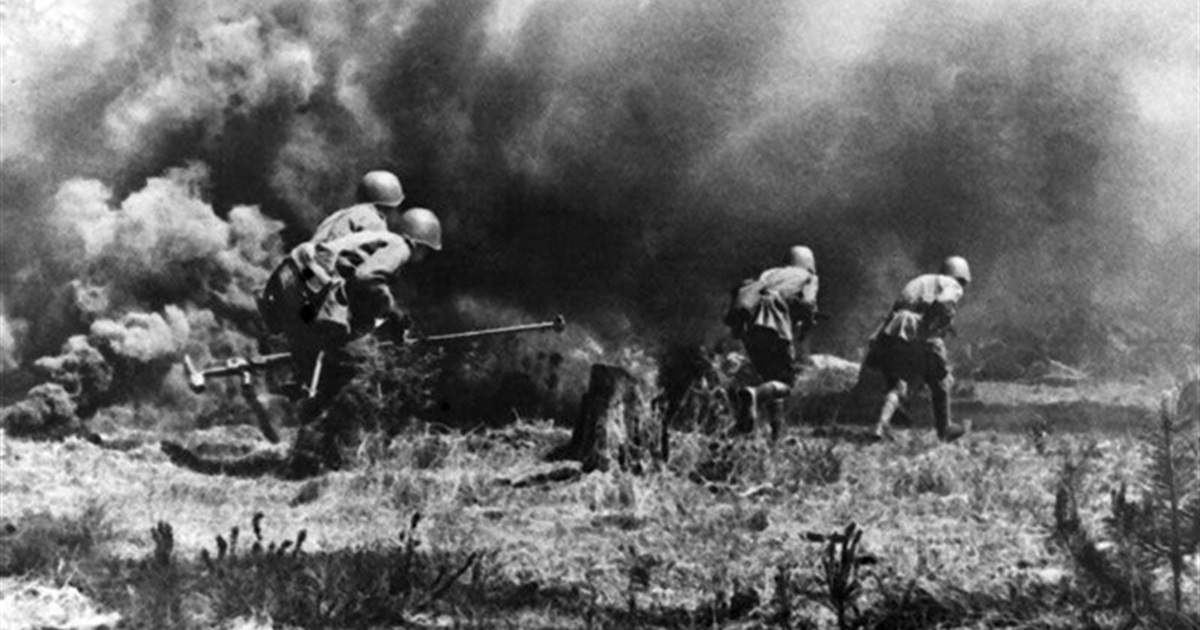
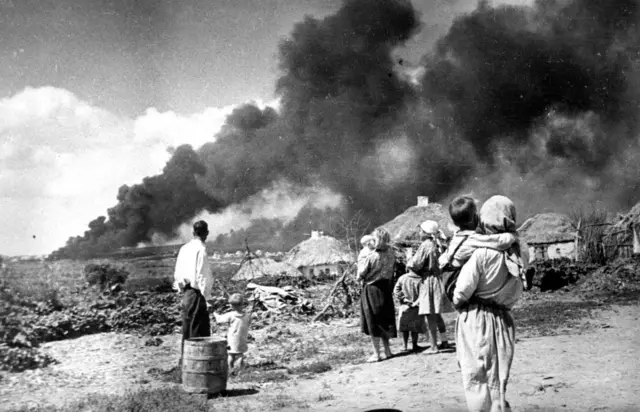
On June 22, 1941, Germany launched a massive attack on the Soviet Union. For Ukraine, this marked the beginning of one of the most horrific periods in its history. German troops advanced rapidly eastward. By the fall of 1941, they had occupied a significant part of Ukraine. A brutal occupation began, accompanied by mass executions, deportations, looting, and forced labor.
One of the most notorious sites of mass murder was Babi Yar in Kyiv. During the occupation, the Nazis and their allies killed a vast number of people there and in other locations. The Nazi regime also carried out the Holocaust—the systematic extermination of European Jews. In total, approximately six million Jews were killed.
By the end of 1941, the war had fully escalated into a global conflict. On December 7, Japan attacked the U.S. naval base at Pearl Harbor in Hawaii. Following this, the United States entered the war.
1942–1943: The First Major Turning Point
By 1942, the war had spread across Europe, North Africa, the Atlantic, and a vast portion of the Asia-Pacific region. One of the most significant events was the Battle of Stalingrad. It began in the summer of 1942 and ended in early 1943 with the defeat of German forces and their allies.
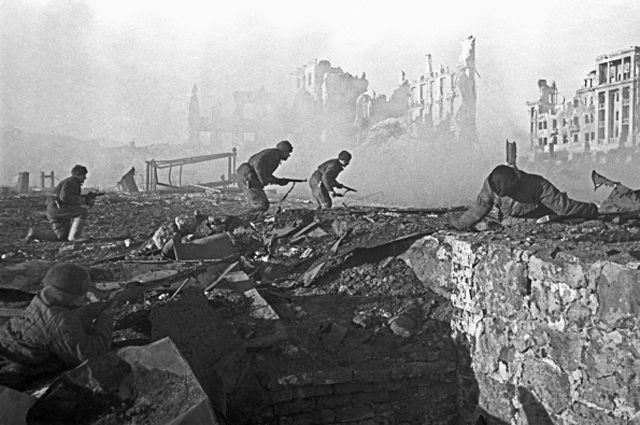
The fighting was extremely fierce. Battles for the city were fought literally for individual houses and streets. As a result, a large group of German troops found itself surrounded and surrendered. The defeat at Stalingrad dealt a serious blow to Germany. After that, German forces were increasingly forced to defend themselves and retreat.
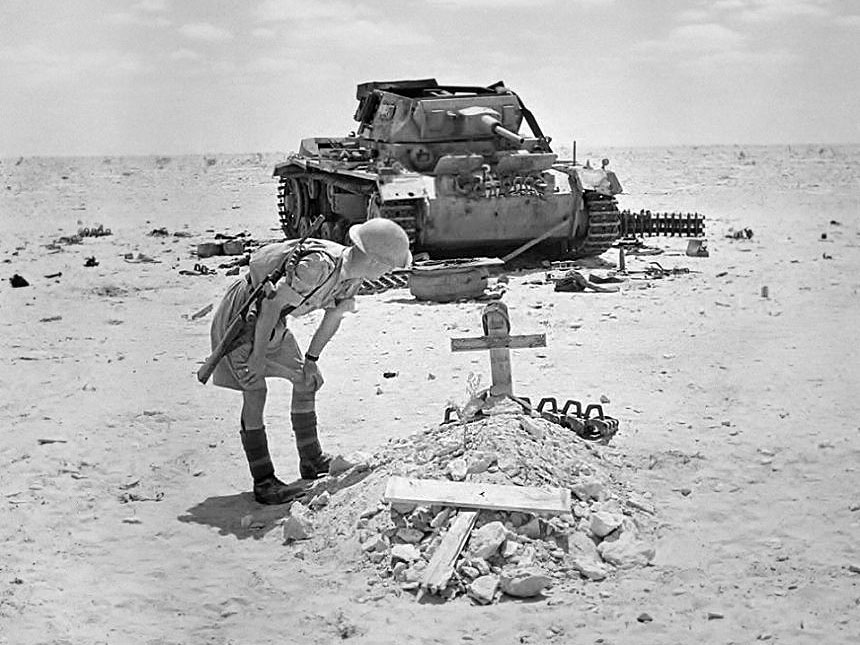
Another important turning point occurred in North Africa—the Second Battle of El Alamein. The British victory halted the advance of German-Italian forces toward Egypt and the Suez Canal.
In the Pacific, the Battle of Midway in June 1942 was of great significance. The United States dealt a severe defeat to the Japanese navy, after which Japan gradually lost the strategic initiative.

1943 — Germany Goes on the Defensive
In the summer of 1943, the Battle of the Kursk Salient took place. Germany attempted a major offensive but was unable to break through the Soviet defenses. After this battle, the strategic initiative on the Eastern Front definitively shifted to the Soviet forces. The German army began to gradually retreat westward.

For Ukraine, 1943 was the year of a large-scale Soviet offensive. In the fall, the Battle of the Dnieper took place, and on November 6, Soviet troops captured Kyiv. However, this did not mean an immediate end to the war for Ukraine. Fighting continued for over a year, and the occupation changed the lives of millions of people.
1944 — The Allies Open a Second Front
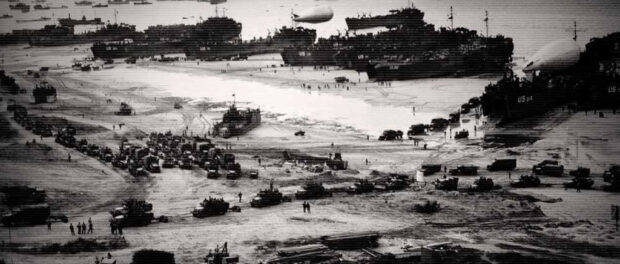
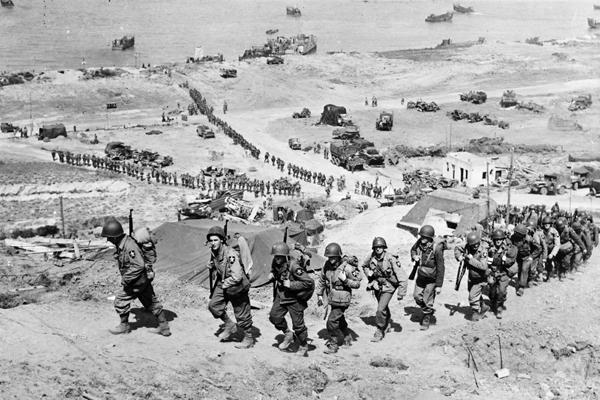
On June 6, 1944, the Allies landed in Normandy in northern France. Operation Overlord became the largest amphibious landing operation in history. Tens of thousands of soldiers landed on the French coast. After establishing a beachhead, the Allies began an advance deeper into France.
In August, Paris was liberated. Germany now found itself caught between two massive fronts—American, British, Canadian, and other Allied forces were advancing from the west, while the Red Army was advancing from the east.
On Ukrainian territory, Soviet troops continued their advance. By the end of 1944, German troops had been definitively driven out of most of Ukrainian territory. The Institute of National Remembrance (UINP) notes that the war left behind approximately 700 destroyed or damaged cities and towns, as well as 28,000 villages.
1945 — The Fall of Berlin
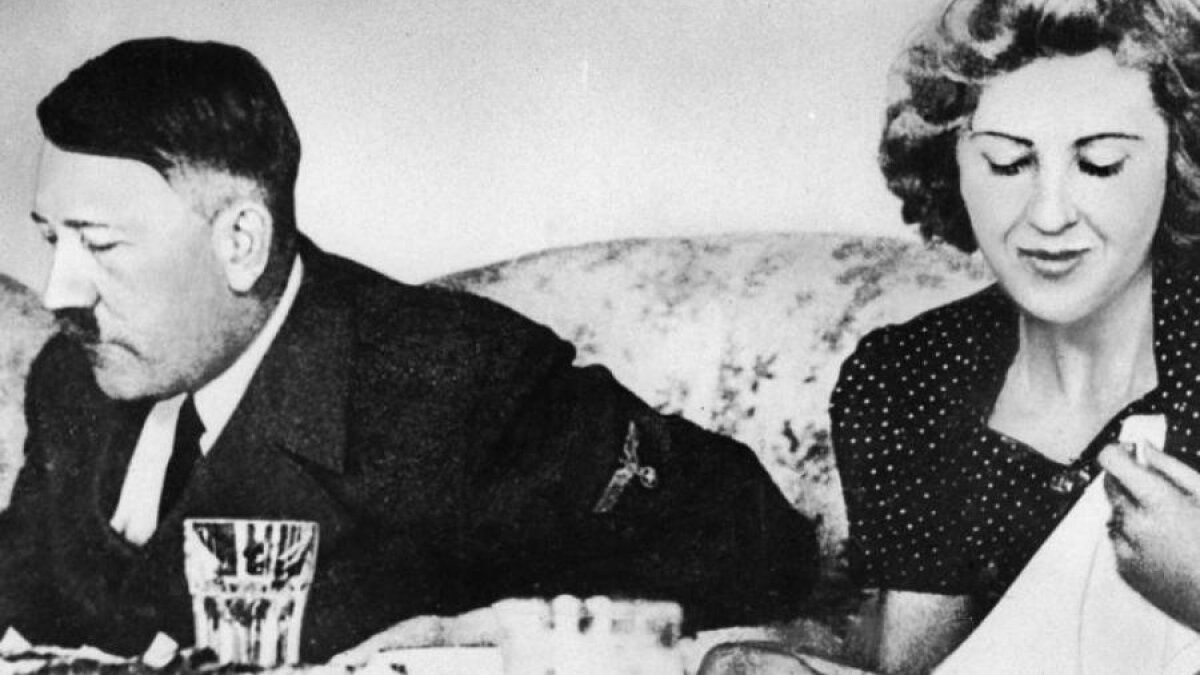
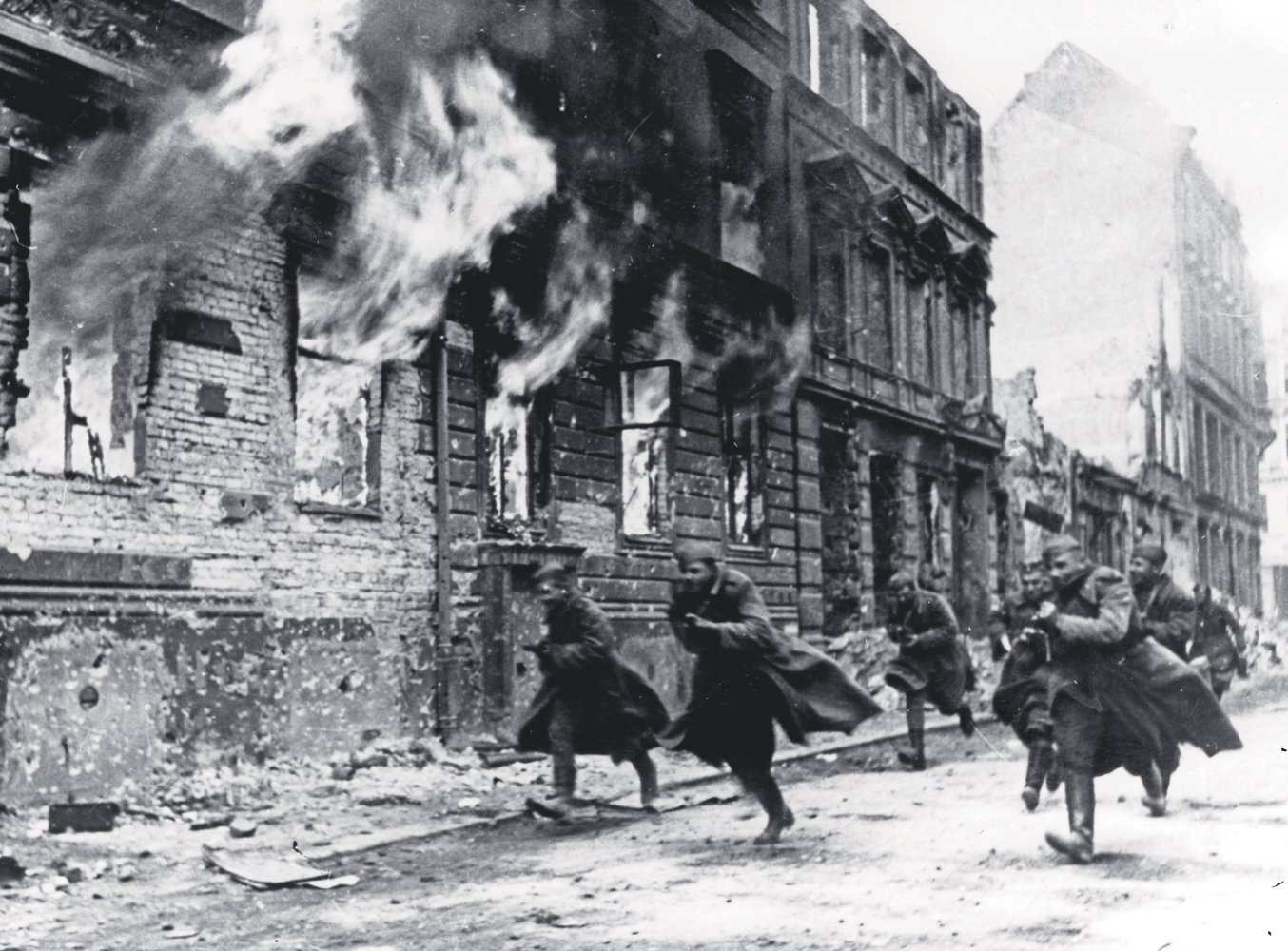
In early 1945, it became clear that Nazi Germany was losing the war. In April, Soviet troops began their assault on Berlin. Street fighting lasted several days. On April 30, 1945, Adolf Hitler committed suicide in his bunker. The German leadership then began negotiations for surrender.
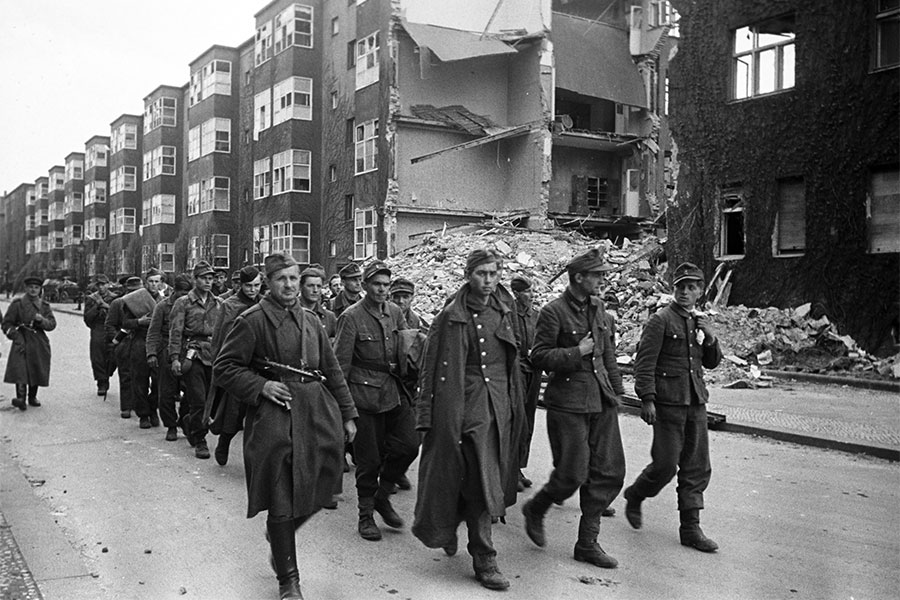
On May 7, Germany signed the act of unconditional surrender in Reims. The next day, May 8, another act was signed in Berlin. Due to the time difference and the specifics of the ceremony in the USSR, the end of the war in Europe was traditionally associated with May 9. But World War II was not yet over.
The war continued in Asia
After Germany’s surrender, Japan remained the main Axis power still at war. The Japanese army still controlled large territories in China and other parts of Asia. The United States was gradually advancing toward the Japanese islands, capturing strategically important islands in the Pacific.
The fighting grew increasingly fierce. American troops suffered heavy losses during the battles for Iwo Jima and Okinawa. The U.S. was preparing a large-scale invasion of the Japanese islands. The operation was expected to be extremely bloody. At the same time, the American leadership decided to use a new weapon—the atomic bomb.
Hiroshima and Nagasaki
On August 6, 1945, a U.S. aircraft dropped an atomic bomb on Hiroshima. The city was largely destroyed, and a huge number of people were killed instantly or died later from their injuries and radiation exposure. On August 9, the U.S. dropped a second atomic bomb on Nagasaki.

On the same day, the Soviet Union launched an offensive against Japanese forces in Manchuria. The combination of these events created a situation for the Japanese leadership in which it became increasingly difficult to continue the war. On August 14, Japan agreed to surrender. However, the war did not officially end until September 2.

The “Missouri” and the Final Chapter
On the morning of September 2, 1945, a Japanese delegation arrived at the American battleship USS Missouri in Tokyo Bay. Representatives of the Allied powers were already on board. Also on board were U.S. General Douglas MacArthur and Admiral Chester Nimitz.
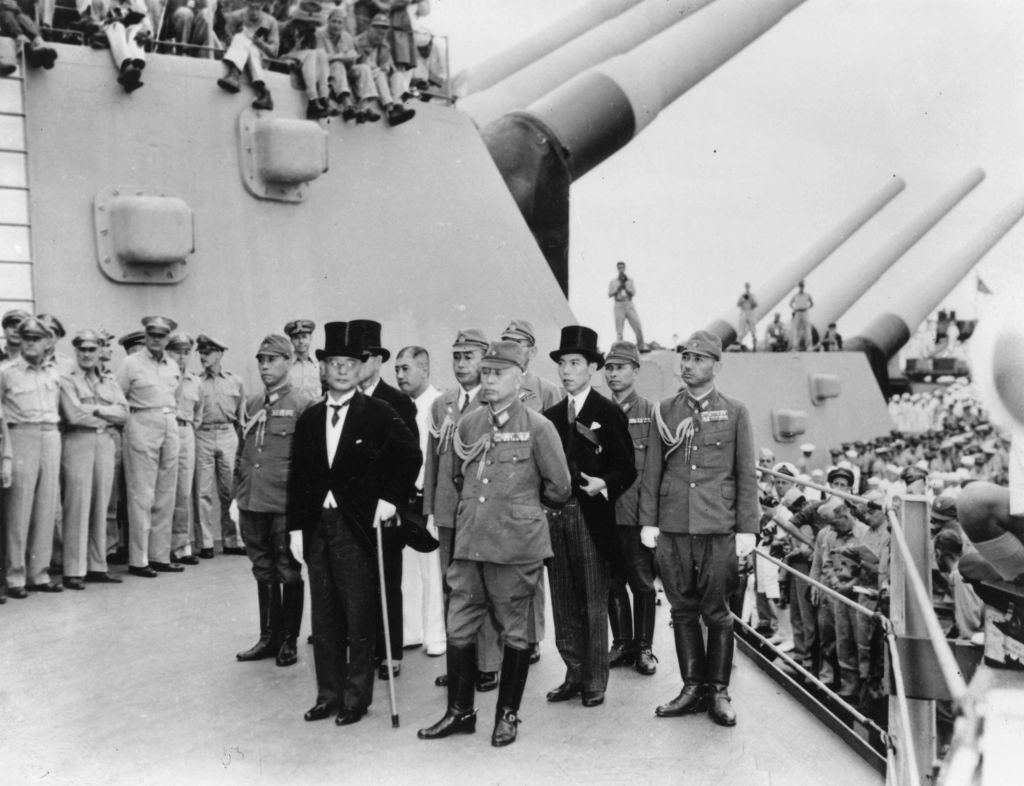
The Japanese representatives signed the instrument of surrender. Afterward, representatives of the Allies added their signatures. Among them was General Kuzma Derevianko, a native of the Uman region, who represented the Soviet Union. The Ukrainian Institute of National Remembrance emphasizes that the Ukrainian was, in fact, one of the last to sign the document that ended the world war.
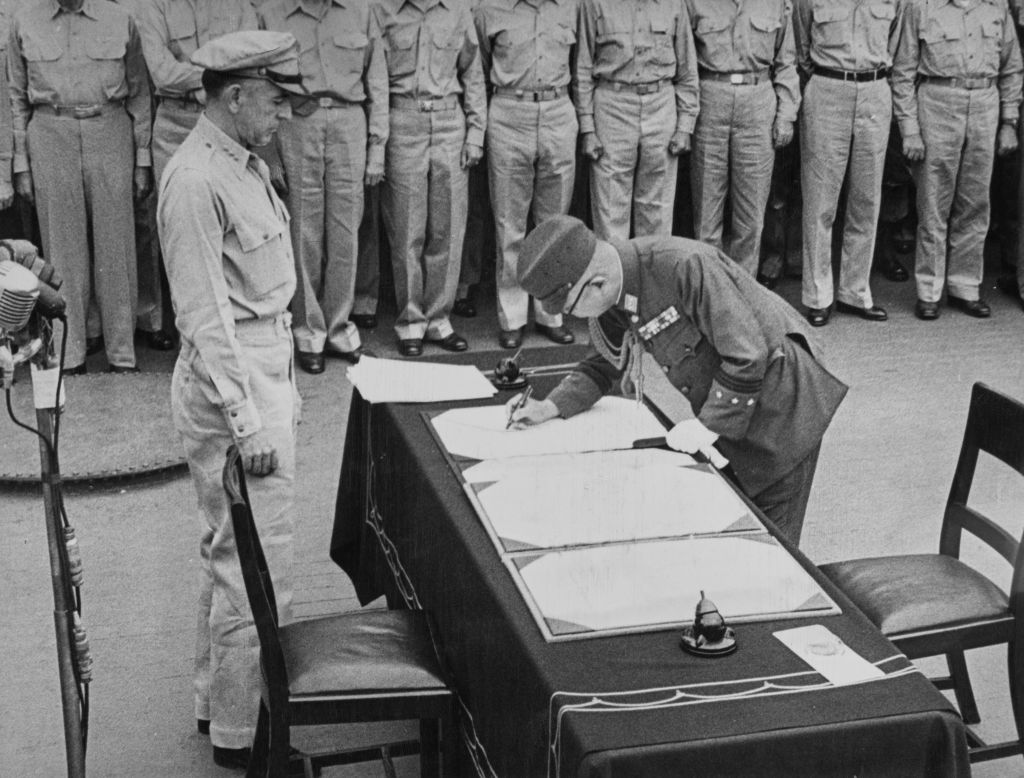
The ceremony lasted about 20–30 minutes. Afterward, hundreds of Allied aircraft flew over Tokyo Bay. Thus ended the war that had begun six years earlier in Europe.
How Many People Died
It is impossible to determine the exact number of victims of World War II. Data from various studies differ, as many people died directly on the front lines, during bombings, occupation, mass killings, famine, and disease. According to estimates by the Ukrainian Institute of National Remembrance, the war claimed between 50 and 85 million lives worldwide.
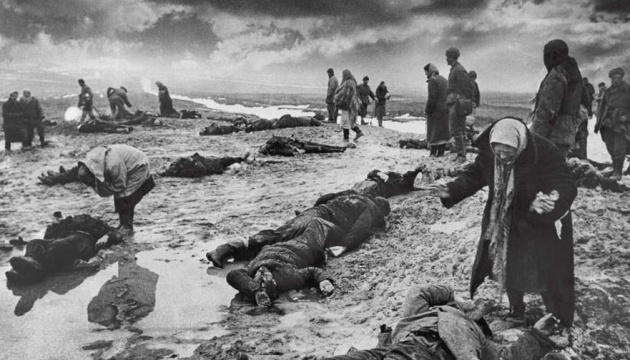
Other authoritative sources provide lower estimates. For example, the U.S. Holocaust Memorial Museum puts the figure at approximately 55 million deaths. This once again illustrates how difficult it is to count all the casualties of a global war. What was particularly horrific was that it was not only soldiers who died. The civilian population became one of the war’s main victims.
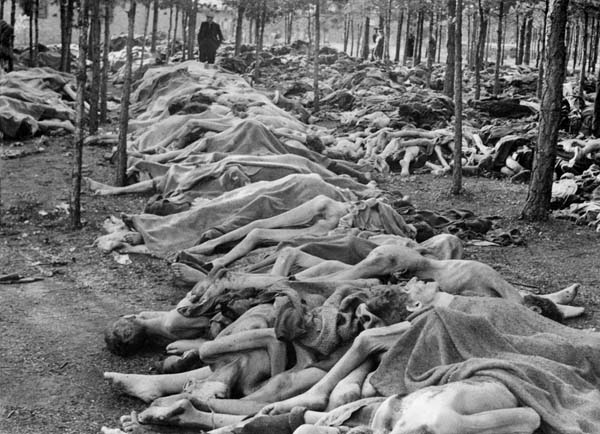
People were killed during occupations, mass executions, bombings, and punitive operations. Millions died of starvation and disease. One of the greatest crimes was the Holocaust. Nazi Germany and its allies and collaborators killed approximately six million Jews. Roma, people with disabilities, Soviet prisoners of war, Poles, and members of other groups also fell victim to Nazi persecution and mass killings.

Ukraine paid a terrible price
For Ukraine, World War II was one of the greatest national tragedies of the 20th century. Ukrainian territory became the site of large-scale battles on several occasions. Armies advanced and retreated here; defensive lines were built; cities and villages were destroyed.
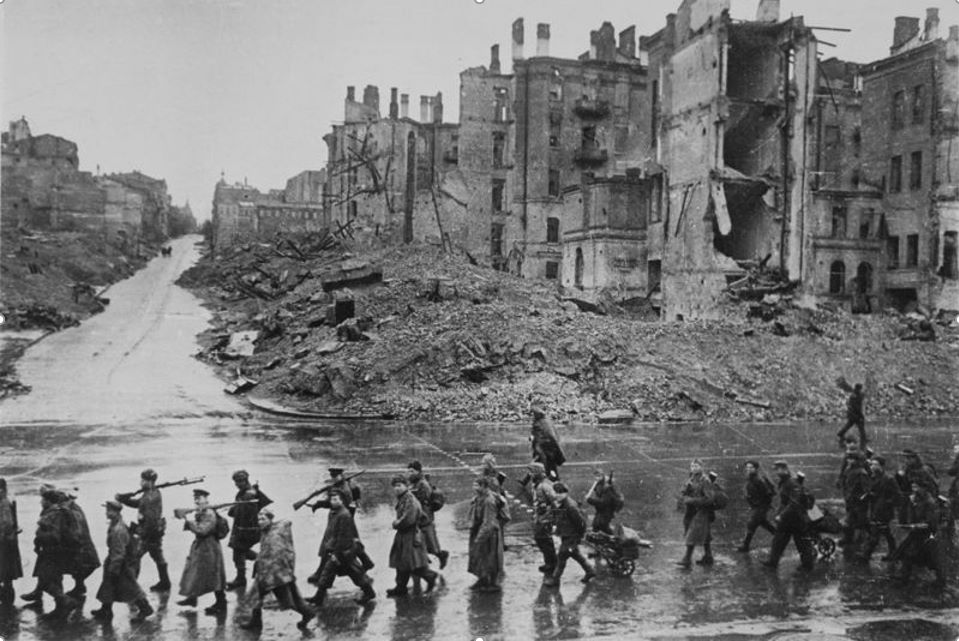
Millions of people were killed, deported, or taken away for forced labor. Many Ukrainians died serving in the armies of various countries, while the civilian population fell victim to the terror of occupation. According to estimates by the Ukrainian Institute of National Remembrance (UINP), Ukraine’s direct human losses exceeded 8 million people. Among them were approximately 5 million civilians and about 3 million military personnel.
Hundreds of cities and thousands of villages were devastated. Factories, roads, bridges, and residential buildings were destroyed or damaged. According to the UIPN, combat operations and the terror of occupation damaged or destroyed about 700 cities, 28,000 villages, and 16,000 enterprises. The war ended in 1945, but its consequences for Ukraine were still felt for decades to come.

Cities That Were Nearly Wiped Out by the War
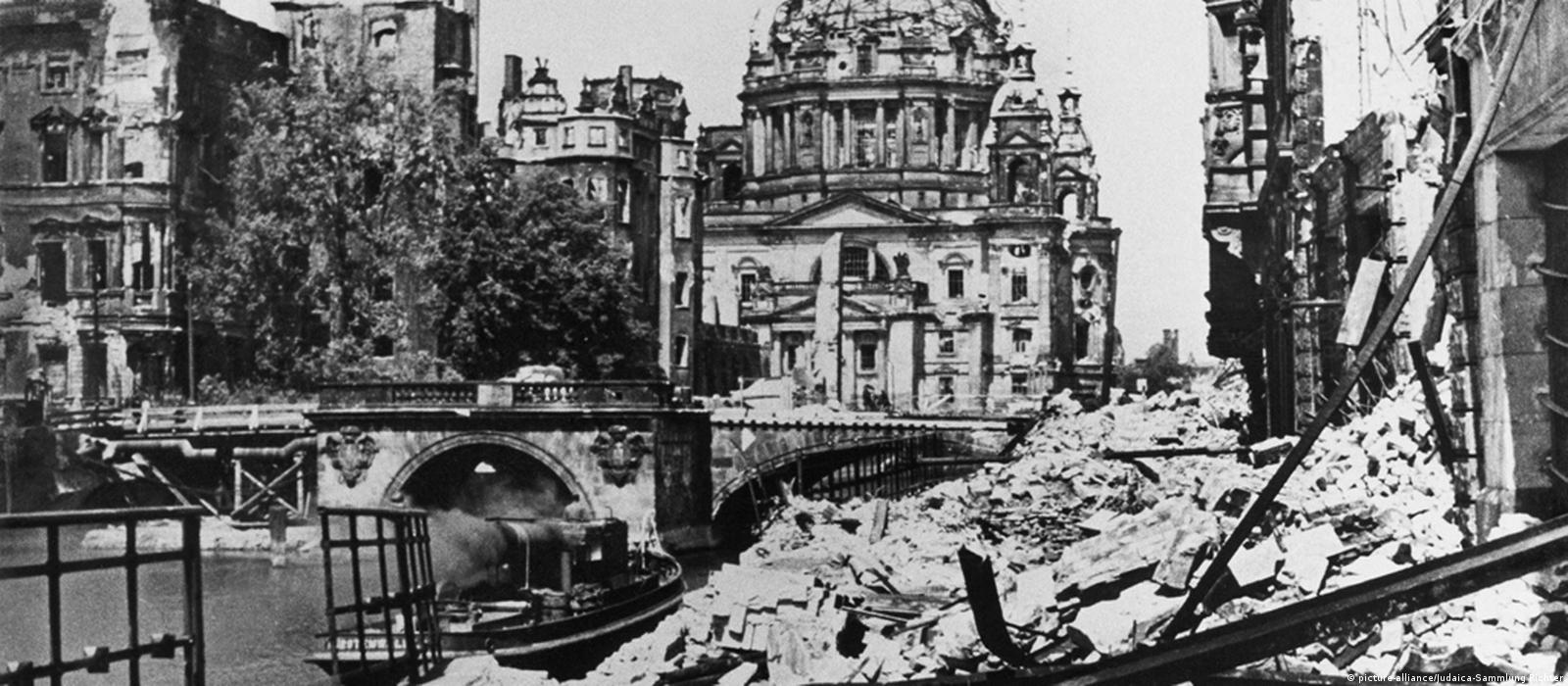
World War II changed the face of entire countries. Warsaw was so devastated after the war that its historic center had to be virtually rebuilt from scratch. Berlin, Dresden, Hamburg, Cologne, Stalingrad, Kyiv, and many other cities suffered significant destruction.
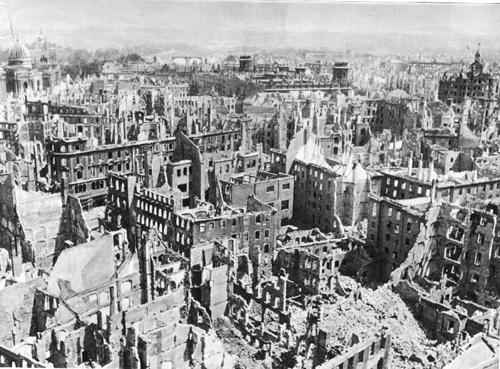
In many regions of Europe, residential neighborhoods were reduced to ruins. People returned from the front only to find their homes gone. Millions were left homeless. Roads and railways were destroyed, industrial plants were shut down, and food was often in short supply.
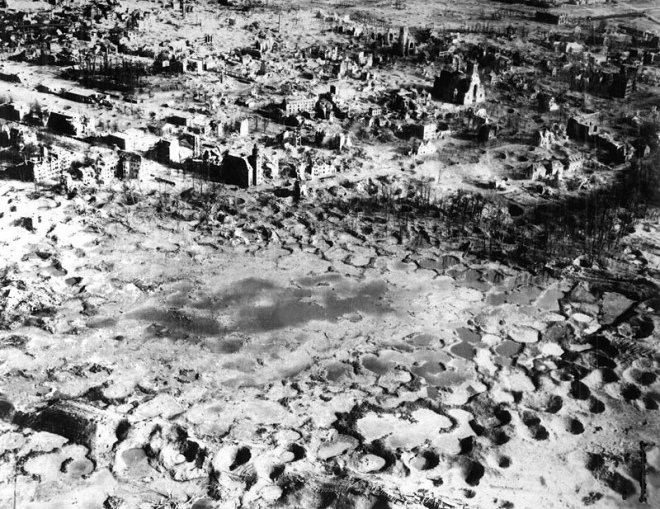
In some countries, reconstruction took years. In fact, after 1945, the world had to not only rebuild cities but also reestablish a normal life for millions of people.
World War II Changed the Map of the World
After 1945, the world was no longer the same as it had been before the war. Germany was occupied and divided into zones of control. Eventually, two German states emerged—West Germany and East Germany.
Europe found itself effectively divided between the Western and Soviet blocs. Thus began the confrontation that would later be called the Cold War.
The United States and the Soviet Union became the world’s two main military and political powers. European states, which until recently had shaped world politics, were significantly weakened.
At the same time, the old colonial order began to crumble. In the decades that followed, dozens of countries in Asia and Africa gained independence.
The United Nations Was Founded After the War
One of the most significant changes following World War II was the creation of the United Nations. Even before the war had finally ended, representatives from 50 countries gathered in San Francisco to establish a new international organization. They sought to prevent a repeat of a global catastrophe.
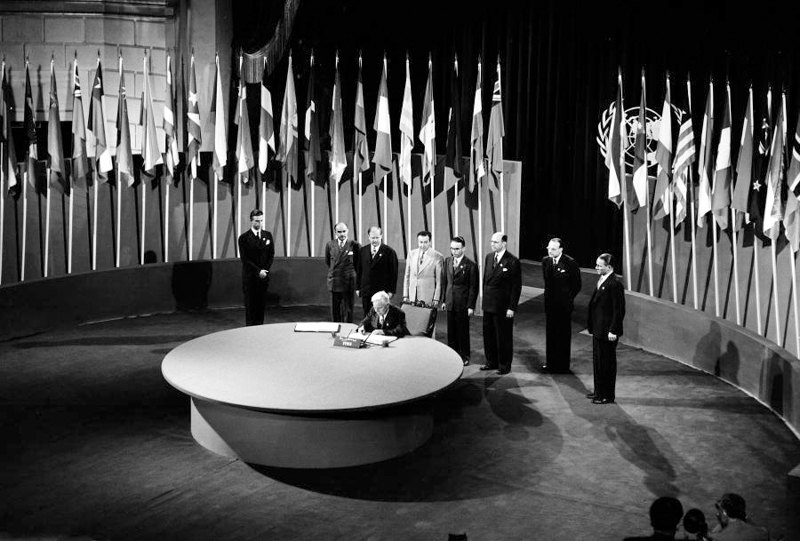
The UN Charter was signed in June 1945, and the organization itself officially came into existence on October 24, 1945. Its primary goal was to maintain international peace and security. In other words, the United Nations effectively became one of the main political outcomes of World War II. It is telling that the experience of that war served as the foundation for creating an international security system designed to prevent another global conflict.
Is September 2 an international holiday?
It is important to distinguish between the date the war ended and international commemorative days. September 2 marks the date of Japan’s official surrender and the end of World War II. In the United States, this date has historically been called Victory over Japan Day or V-J Day. President Harry Truman declared September 2 as Victory over Japan Day in 1945.
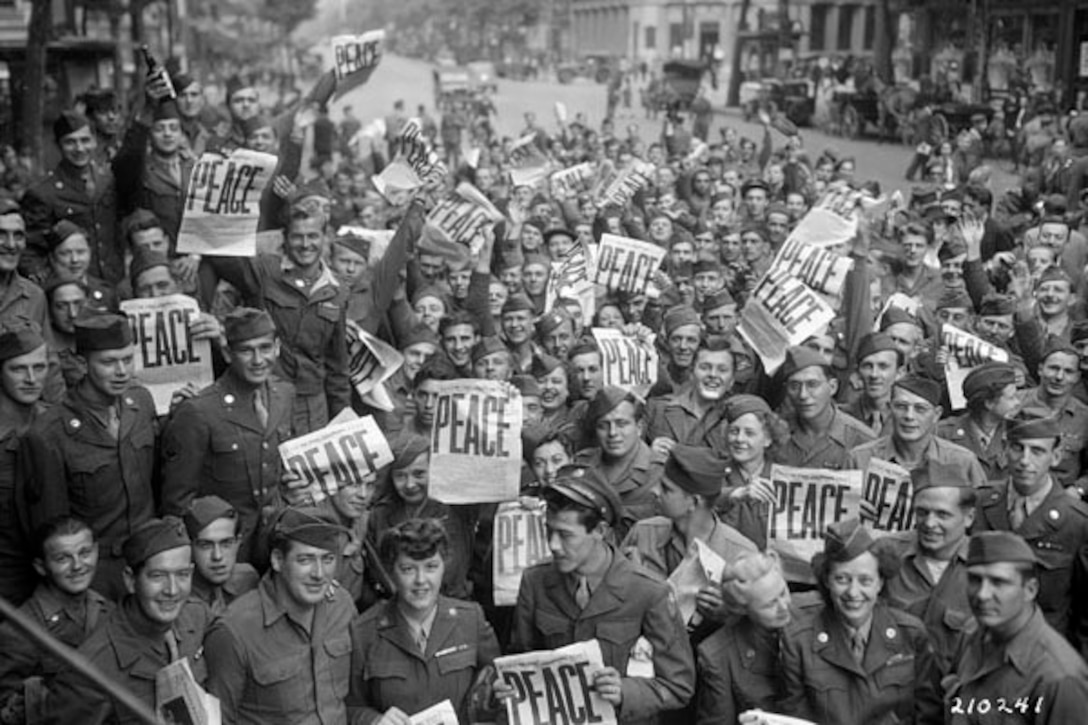
At the same time, the United Nations established separate days to commemorate the victims of World War II—May 8 and May 9. The UN General Assembly has called for the annual commemoration on these days of all those who died in the war. Therefore, it is more accurate to refer to September 2 as the Day the Second World War Ended or the date of the war’s conclusion, rather than as a universal holiday celebrated uniformly in all countries.
How This Day Is Commemorated
Today, September 2, memorial events, exhibitions, lectures, historical conferences, and ceremonies at monuments are taking place in various countries. Special attention is paid to veterans and civilian victims of the war. Museums host themed exhibitions, display archival photographs and documents, and share the stories of people who survived the occupation, the front lines, and captivity.
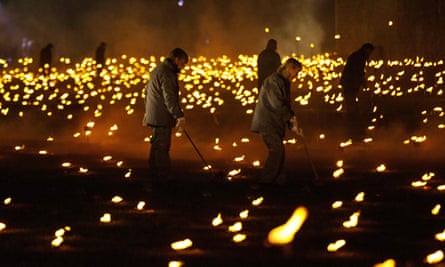
An important part of these events is archival research. Historians continue to identify the names of the dead, locate documents regarding those missing in action, and investigate the crimes of the Nazi regime. In many countries, this day is not reduced to mere military parades. On the contrary, the main emphasis is placed on remembering the victims and ensuring that such a catastrophe never happens again.
Interesting Facts About the End of the War
The surrender was signed on a ship. Japan did not surrender on land, but aboard the American battleship USS Missouri in Tokyo Bay.
The ceremony was very brief. The entire procedure lasted about 20–30 minutes, although its historical significance was immense.
Representatives from many countries were present on the ship. The act was not accepted by the United States alone; representatives from several Allied nations signed the document.
Among the Allied representatives was a Ukrainian. General Kuzma Derevianko, who was born in the Uman region, represented the Soviet Union during the signing of Japan’s surrender.
The war in the Pacific was exceptionally long. More than three and a half years passed from the start of the Pacific War to Japan’s surrender. The U.S. Navy estimates its duration at 1,364 days, 5 hours, and 44 minutes.
After the surrender, the war did not end overnight. It was necessary to disarm millions of Japanese soldiers, release prisoners of war, clear mines, and repatriate military personnel and civilians. The U.S. Navy notes that approximately 2.25 million Japanese military personnel and civilians had to be demobilized on the Japanese islands.
Why It’s Important to Remember September 2
September 2 is not just a date on the calendar. It marks the end of a war that claimed tens of millions of lives and left behind devastated cities, millions of orphans, refugees, prisoners of war, and people who had lost their loved ones. It is also a date that serves as a reminder of the heavy toll that aggression, totalitarianism, racism, and the failure of states to stop the aggressor in time have taken on humanity.
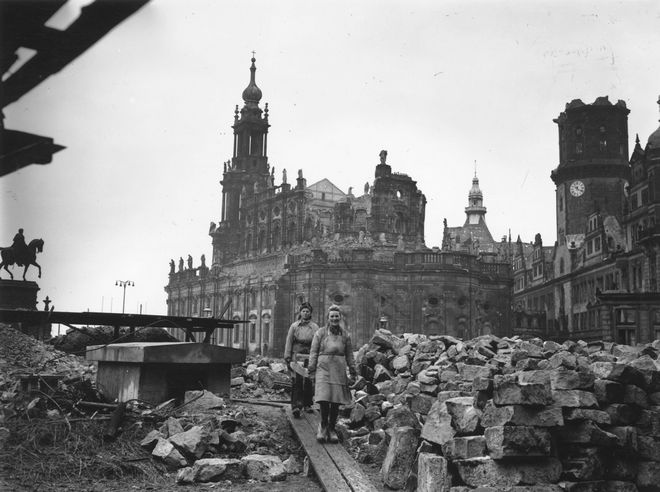
World War II demonstrated that war was no longer solely a matter for the military. During this conflict, the civilian population became one of the main targets of terror, and modern weaponry made it possible to destroy entire districts and cities in a matter of hours. For Ukraine, the memory of World War II has another important dimension. Ukrainians were among those who fought and died on various fronts, and who endured occupation, the Holocaust, deportations, and mass repressions. The Ukrainian Institute of National Remembrance estimates Ukraine’s war losses at approximately 8 million people.
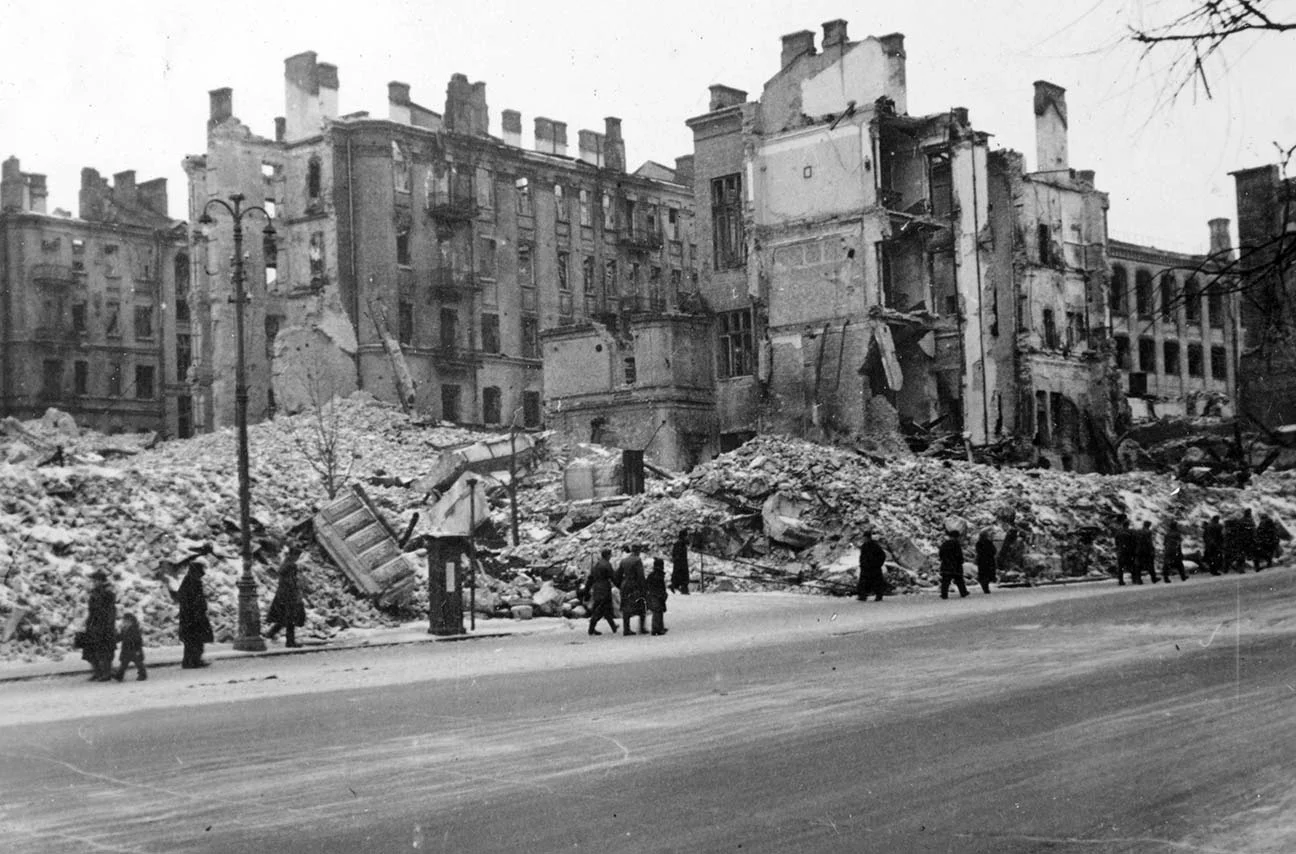
The events of September 2 also serve as a reminder of something else: the end of the war did not mean an immediate return to normal life. After the surrender, millions of people still had to be brought home, cities had to be rebuilt, the wounded had to be treated, the missing had to be searched for, and the economy had to be restored. That is precisely why the memory of World War II is important not only as a commemoration of victory. It is a reminder of the price humanity paid during six years of war and of the responsibility of nations to ensure that such a catastrophe never happens again.


