
May 30th Holiday: Today the world celebrates Women's Emancipation Day
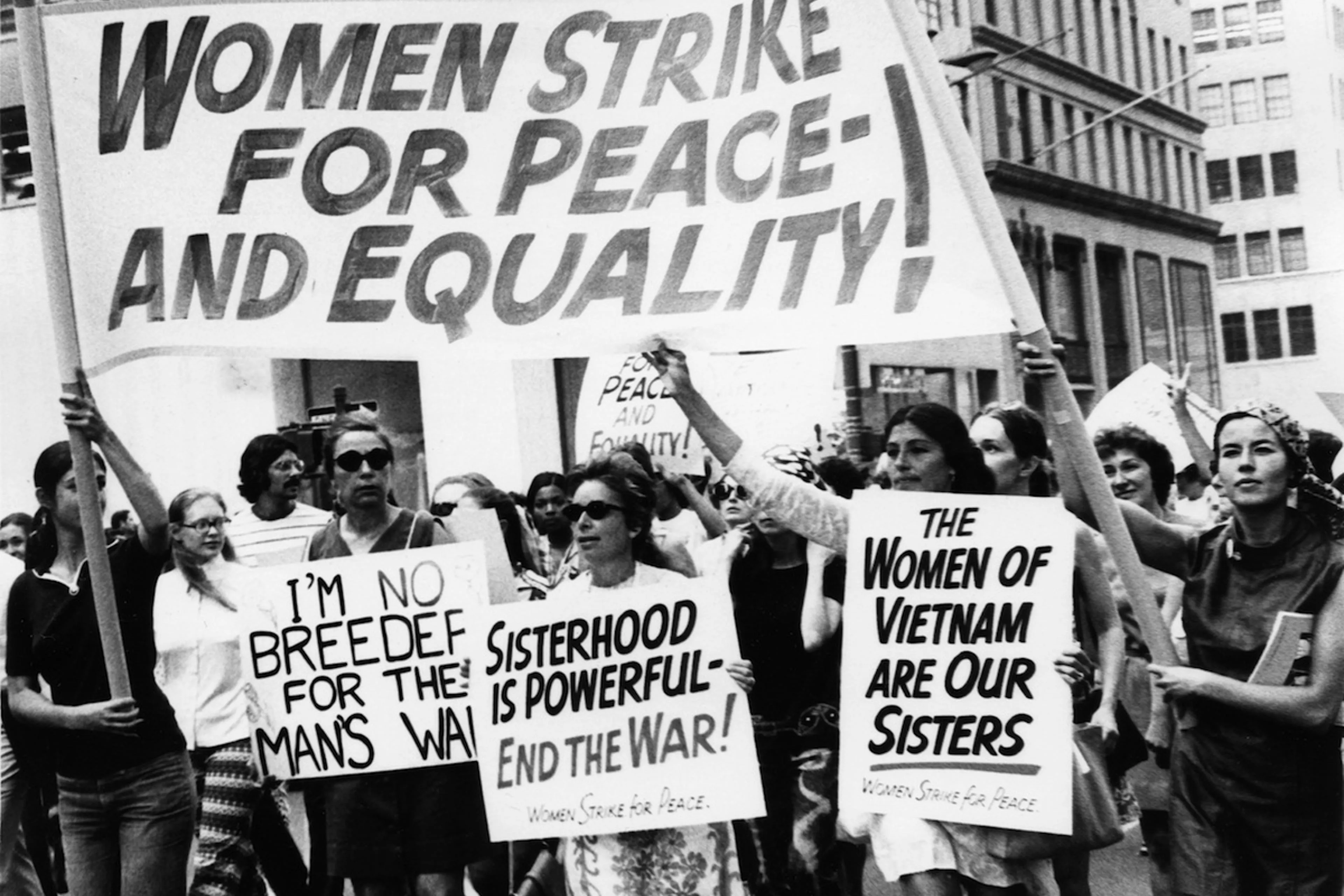
Women’s Emancipation Day is not a holiday in the traditional sense, but rather a commemoration of the long history of women’s struggle for equal rights, the opportunity to work, study, and vote on an equal footing with men. It is a date that symbolizes the breaking of old social norms and society’s gradual progress toward equality, although this process is still ongoing in many countries.
Women’s Emancipation Day is linked to a long historical process that began as early as the 19th century, when women in various countries around the world began to demand basic rights en masse—from access to education to the right to vote—and it was then that the first organized suffragist movements formed, becoming a symbol of this struggle. The date varies by country because emancipation as a phenomenon does not have a single “starting point,” but it is most often associated with the period of active social change in the late 19th and early 20th centuries, when women began entering the workforce, overcoming legal restrictions, and demanding equal status in society.

The term “emancipation” itself means liberation from dependence or restrictions, and in the context of women, it primarily refers to legal and social equality, which includes access to education, the opportunity to work on equal terms, participate in politics, and make decisions about one’s own life without external control. In the 20th century, the women’s rights movement gradually yielded results: suffrage was granted in many countries, universities opened, and professions previously inaccessible to women became available, yet the process of overcoming inequality remained complex and uneven across different regions of the world.
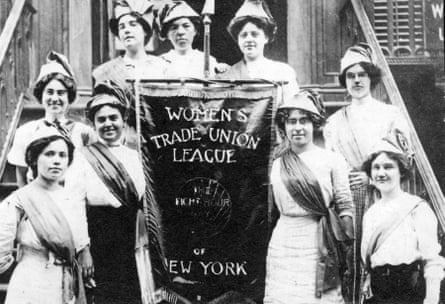
Today, Women’s Emancipation Day is seen more as a reminder of the historical struggle and of the fact that equality did not arise on its own, but was the result of decades of protests, discussions, and social change. In some countries, it is marked with themed events, lectures, public discussions, and campaigns on women’s rights, while in public discourse it is often linked to issues of gender equality, equal pay, and protection against discrimination.
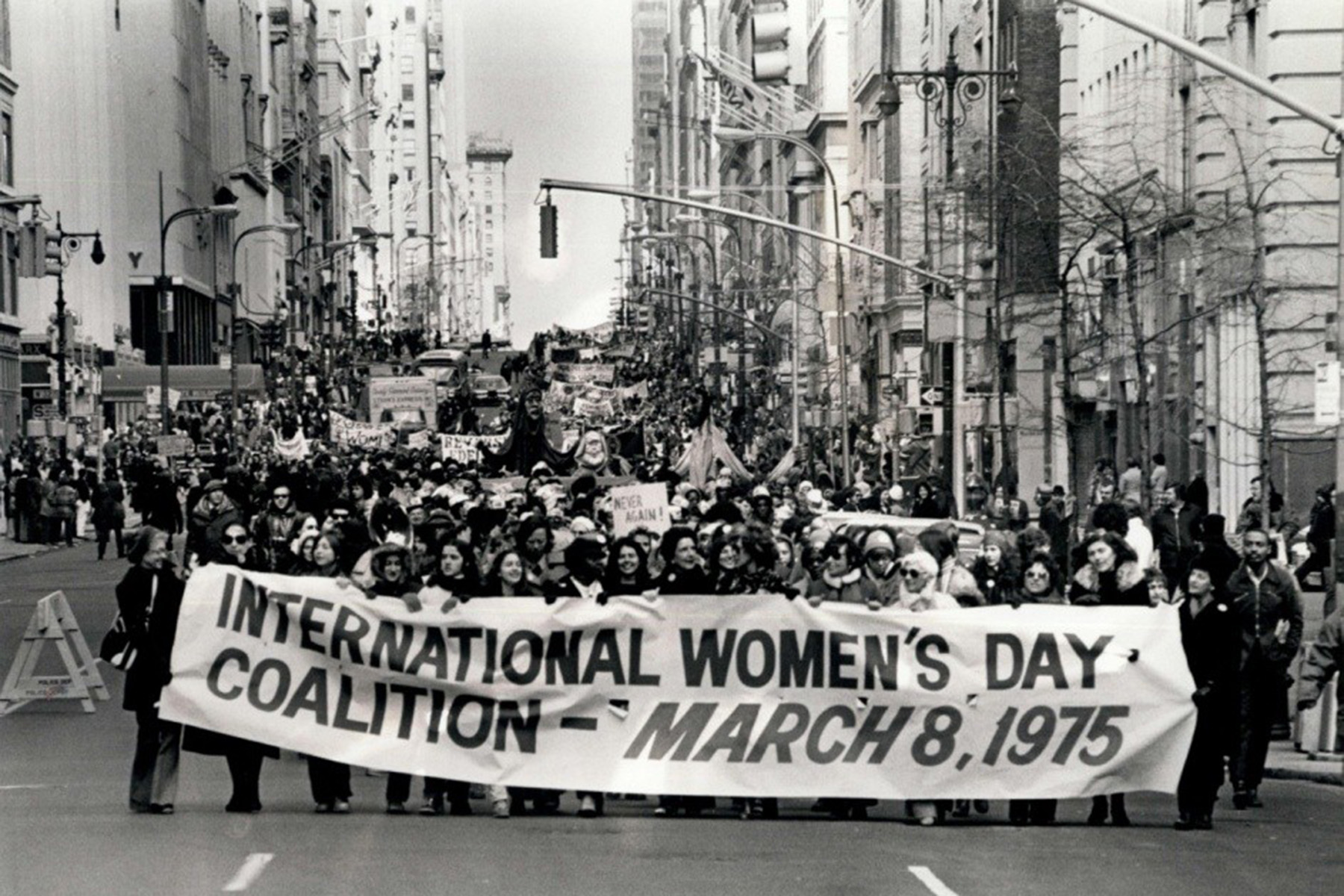
At the same time, experts emphasize that even today, emancipation is not yet fully complete, as disparities in opportunities, wages, and access to leadership positions persist in many areas, which is why the topic remains relevant. “Emancipation is not a point in history, but a process that continues as long as inequality exists,” is a view often expressed by researchers of social processes, emphasizing that equality requires constant attention from society.
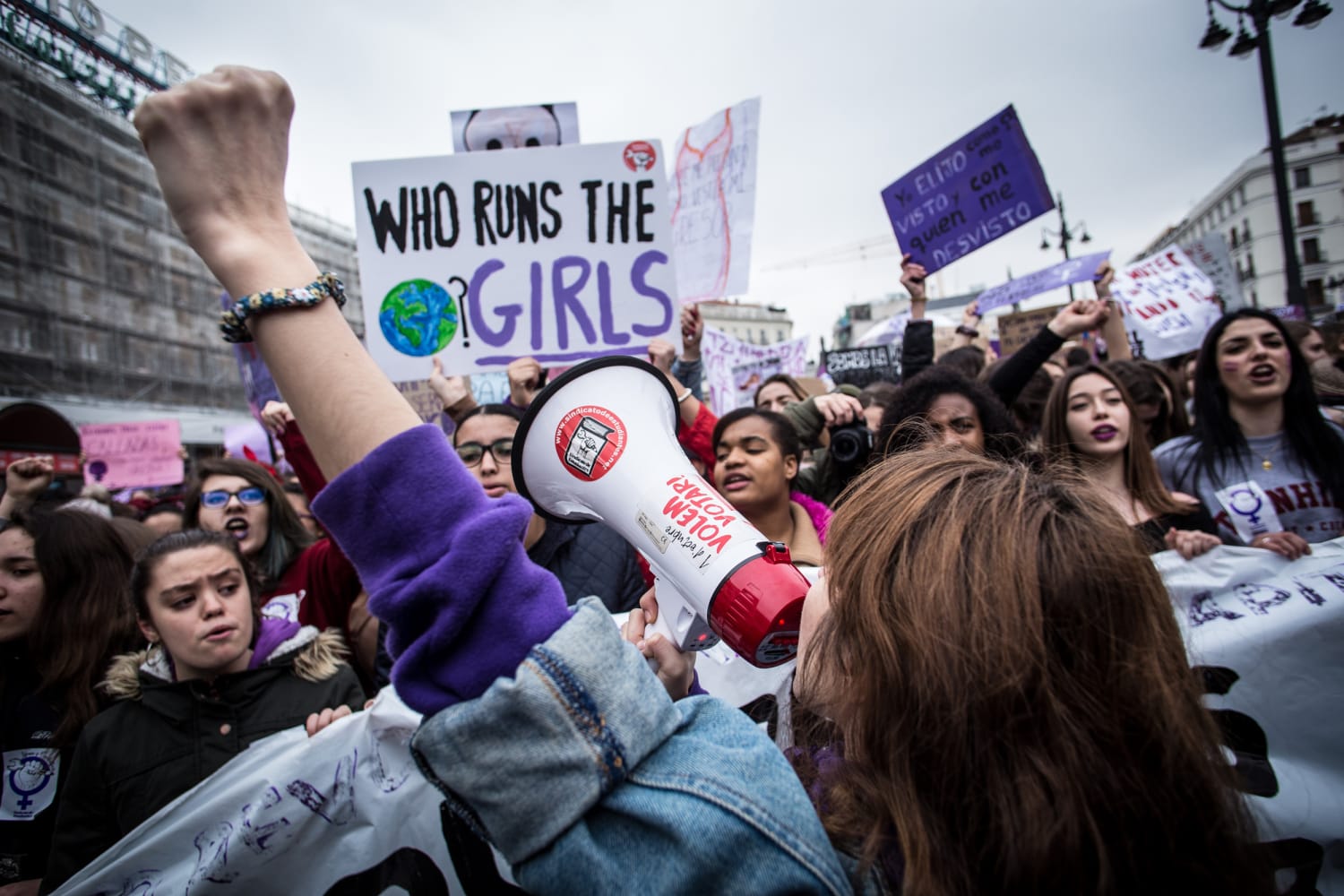
Thus, Women’s Emancipation Day is not just a date on the calendar, but a symbol of how society changes under the influence of the struggle for rights, and at the same time a reminder that any freedoms won require protection and development to remain a reality, not merely a historical achievement.


