
September 9, 2026: Slovakia commemorates the victims of the Holocaust
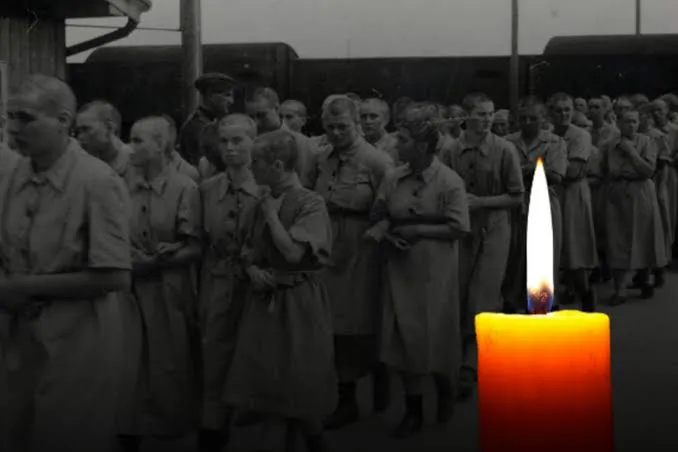
On September 9, Slovakia observes the Day of Remembrance for the Victims of the Holocaust and Racial Violence. This date serves as a reminder of the millions of people who fell victim to Nazi persecution, as well as the crimes committed against Slovakia’s own Jewish population during World War II. The date was not chosen at random: it was on September 9, 1941, that the government of the then-Slovak State adopted the so-called Jewish Code, which stripped Jews of a significant portion of their civil, religious, and property rights.
September 9 is an official day of remembrance in Slovakia. In the modern Slovak calendar, it is called Deň obetí holokaustu a rasového násilia, meaning “Day of the Victims of the Holocaust and Racial Violence.” It is classified as a day of remembrance rather than a public holiday, so September 9 remains a workday in Slovakia. This is explicitly stated in the government’s official list of holidays and commemorative dates. The day has been officially observed since 2001. In other words, it was established a decade after the fall of the communist regime and the creation of the modern Slovak Republic. The date became part of the state’s policy of remembrance regarding the Holocaust and the crimes committed on Slovak territory during the war.
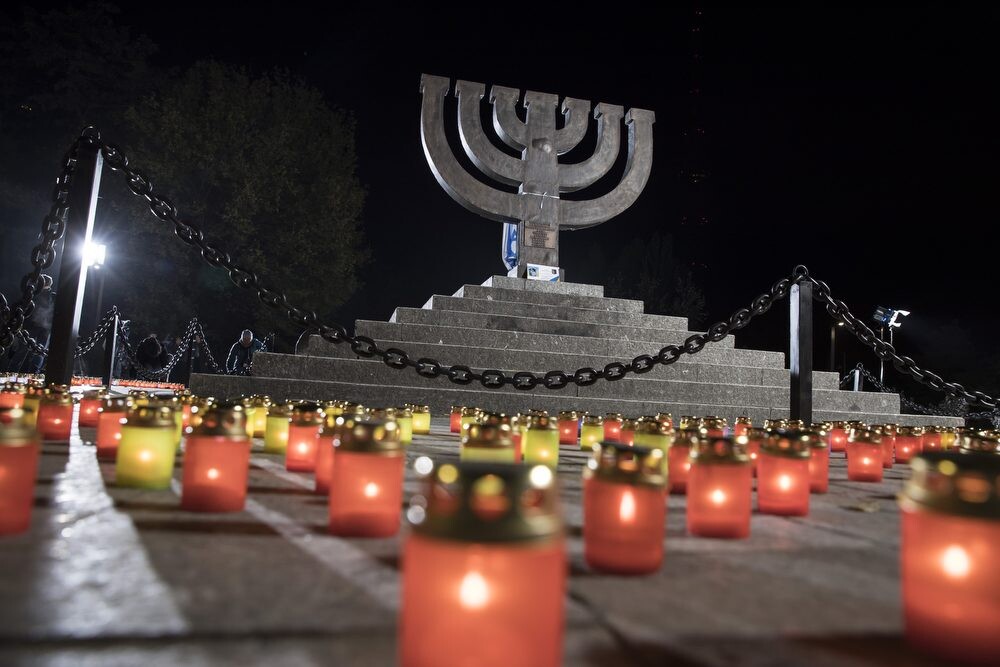
It is important to note that this day is not a holiday in the conventional sense. There are no festive traditions or celebratory activities. It is a day of mourning, remembrance, and reflection on the consequences of hatred, discrimination, and the deprivation of people’s rights. That is why, on September 9, memorial ceremonies are held in Slovakia; flowers and wreaths are laid; the names of the victims are remembered; and exhibitions, lectures, and educational events are organized. Special attention is given to young people so that the history of the Holocaust does not remain merely a page in a textbook.
Why September 9?
The date is linked to one of the darkest chapters in Slovakia’s history. On September 9, 1941, the government of the Slovak State issued Decree No. 198/1941 on the legal status of Jews, known as the Jewish Code. The document consisted of 270 paragraphs and became the most comprehensive legislative act in Slovakia during that period. The Jewish Code significantly restricted the rights of the Jewish population. People were deprived of their civil, religious, and social rights, and their ability to work and own property was restricted. The document used racial criteria to determine who was considered Jewish. Some of the provisions were heavily influenced by the anti-Semitic legislation of Nazi Germany and the Nuremberg Laws of 1935.
That is why the Jewish Code became one of the symbols of state persecution of Jews in Slovakia. Discrimination did not remain merely at the level of the text of the law. It gradually turned into actual persecution, confiscation of property, isolation, deportations, and mass killings.The Slovak Institute of National Memory calls this document one of the most brutal anti-Jewish laws in Europe at that time. It laid the legal foundation for the subsequent persecution of the Jewish population.
That is why the choice of September 9 holds a very specific significance. On this day, we not only commemorate those killed during the Holocaust but also recall how the persecution began with discriminatory laws, bans, and the deprivation of rights.
What Happened to the Jews of Slovakia
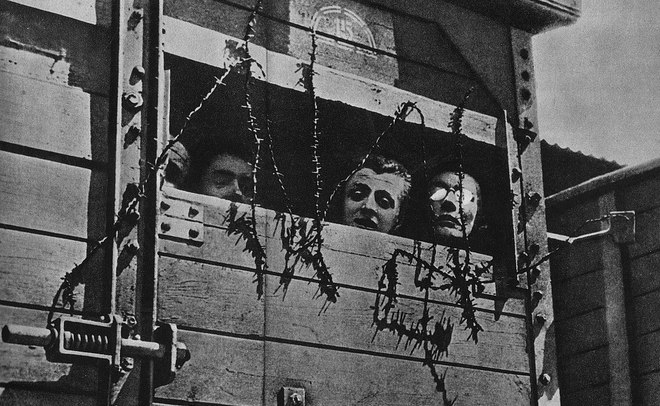
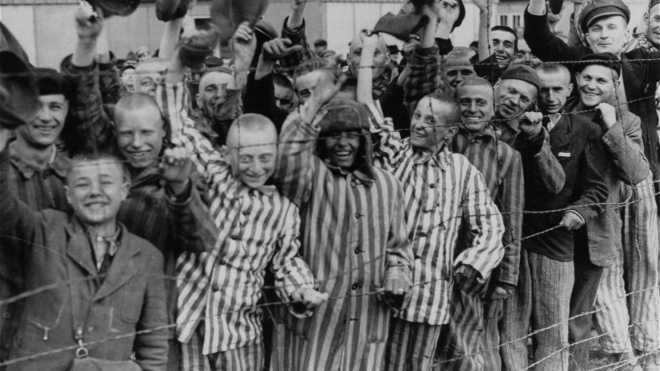
During World War II, the Jewish population of Slovakia became the victim of systematic persecution. First, people were stripped of their rights and property, and then the deportations began. The state established special detention centers and concentration camps, from which people were transported by train out of the country. The first transport of Slovak Jews to a death camp departed on March 25, 1942, from the station in Poprad. The first transport carried 1,000 young women and girls. At first, they were told they were going to work, but in reality, they were deported to occupied Poland.

In the months that followed, deportations became widespread. The first transports carried mainly young people, but later entire families, including small children and the elderly, began to be deported. Among the places where the deportees were gathered were camps and centers in Bratislava, Žilina, Poprad, Sered, and Nováky. According to the Slovak Ministry of Defense, over 57,600 Jews were deported from the country over the next seven months. Later, beginning in September 1944, another wave of deportations began. People were sent to Nazi concentration and death camps.
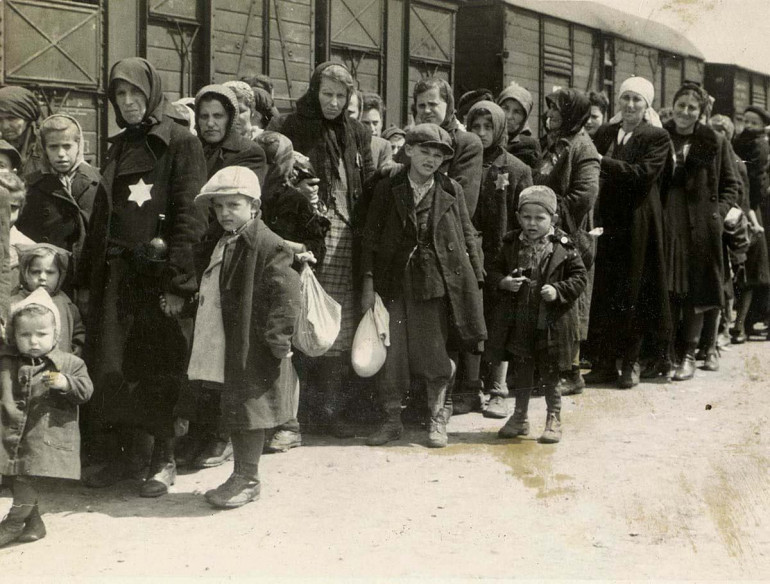
That is why the story of September 9 is not an abstract account of events happening far away. It is about people who lived in Slovak cities and villages, went to work, taught their children, had families, homes, and ordinary lives. In a short time, they lost their rights, their property, their freedom—and many lost their lives as well.
The Jewish Code marked the beginning of a great tragedy
One of the most important lessons of this history is that the Holocaust did not begin immediately with mass killings. It was preceded by years of propaganda, discrimination, and the gradual stripping of people’s rights. First, society was made to believe that a certain group of people was supposedly different from others and posed a threat. Then restrictions were imposed on education, employment, movement, and property ownership. After that, discrimination became enshrined in law.
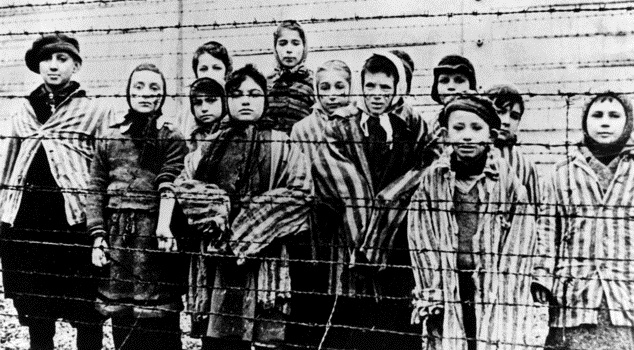
It is precisely this example that is used in Slovakia today to explain why it is so important to respond to hate speech and manifestations of discrimination at an early stage. The Slovak Ministry of Justice emphasized that the memory of the victims should serve as a warning about the consequences of intolerance, extremism, racism, and contempt for human life. This is one of the main ideas behind the day of remembrance. It is not just about remembering those who died. It is about understanding how society can descend into such crimes and why it is dangerous to leave hatred unchallenged.
How September 9 Is Observed
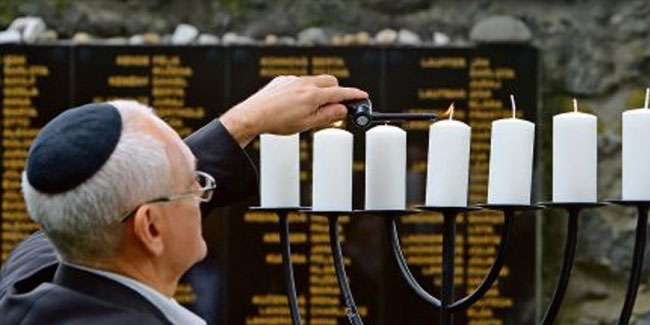
In Slovakia, commemorative ceremonies and wreath-laying at memorials to the victims of the Holocaust take place on this day. One of the well-known venues for such events is Rybné námestie Square in Bratislava, where a memorial to the victims of the Holocaust stands. It is there that representatives of the government and civil society organizations have repeatedly held official events on September 9. During the ceremonies, government officials, historians, representatives of Jewish communities, and relatives of the victims speak. People lay flowers and wreaths, light candles, and observe a moment of silence to honor the deceased. At some events, the names of those who fell victim to persecution are read aloud.
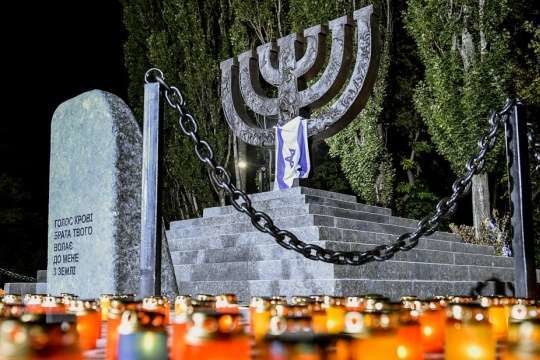
For example, during one of the commemorative events organized by the Slovak Institute of National Memory, participants read the names of Holocaust victims who were former employees of the Ministry of Finance. Such events serve an important purpose—to restore the victims’ names and personal stories, rather than leaving them as mere numbers in statistics. Educational events constitute a separate focus. Museums host lectures, exhibitions, and meetings with witnesses and historians. Schoolchildren and college students learn about the lives of Jewish communities before the war, the persecution, deportations, and resistance to Nazi policies.
Memorials and Museums
One of the most important memorial sites in Slovakia is the Holocaust Museum in Sered. It is located on the grounds of a former camp that was used during the war to hold Jews before their deportation. The museum houses documents, photographs, personal belongings, and other materials that help reconstruct the history of the persecuted. The museum’s exhibits tell more than just the story of the camp itself. They show how the system of persecution against Jews in Slovakia gradually took shape—from legislative restrictions and propaganda to forced labor, deportations, and murders.
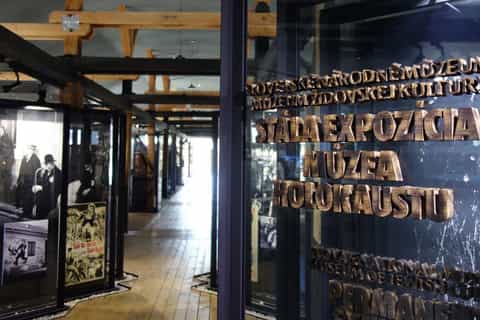
Places like this are especially important for the younger generation. One can read about the Holocaust in a textbook, but seeing actual documents, photographs, and personal items belonging to people who lived during that time leaves a completely different impression. That is why September 9 in Slovakia often serves as an occasion for additional museum and educational programs. Efforts are made to present history through specific human stories, so that behind the numbers and statistics there remain real people.
This day commemorates more than just Jews
The name of this commemorative day refers not only to the Holocaust but also to racial violence. This means that on this day, we remember the victims of persecution based on race or ethnicity, as well as other manifestations of hatred. The Holocaust was directed primarily against the Jews of Europe, but Nazi persecution also affected other groups. Among the victims of Nazi terror were Roma, people with disabilities, prisoners of war, political opponents of the regime, and other persecuted groups.

Therefore, the Slovak memorial day has a broader significance. It serves as a reminder that the state must not divide people into “right” and “wrong” based on their origin, faith, or race. Equality before the law and respect for human dignity are the foundation of a safe society. This is precisely what Slovak government institutions have emphasized. The country’s Ministry of Justice noted that remembering the victims should help combat intolerance, racism, extremism, and discrimination in modern society.
An Important Lesson for Today
Commemorative days are not just for remembering the past. They help us see the connection between historical events and the present. In the case of September 9, this connection is particularly evident, as the persecution did not begin with mass killings, but with hate speech, propaganda, and laws that gradually stripped people of their rights. In 2023, during a commemorative event in Sered, then-President of Slovakia Zuzana Čaputová emphasized that mass violence was preceded by hateful thoughts and words. She called for preventing the recurrence of such tragedies and drew attention to the danger of hatred in today’s public sphere.
This is one of the main reasons why, on September 9, people in Slovakia talk about more than just history. On this day, people are reminded that discrimination is not harmless. If society becomes accustomed to the idea that a certain group of people can be humiliated, have their rights restricted, or be stripped of their human dignity, the consequences can be very serious. Therefore, the main message of this day can be simply put: remember, call crimes by their proper names, and do not allow hatred to become the norm.
Interesting Facts About Remembrance Day
On September 9, 1941, the Jewish Code, consisting of 270 paragraphs, was adopted. According to the Slovak Institute of National Memory, this was the most extensive legal regulation issued in Slovakia between 1939 and 1945.
The memorial day was officially established much later—in 2001. In other words, 60 years passed between the historical event and its inclusion in the modern calendar.
Another important fact is that September 9 is not a public holiday. In Slovakia’s official calendar, it is classified as a commemorative date that falls on a workday.
The first transport of Slovak Jews to a death camp departed from Poprad on March 25, 1942. It carried 1,000 young women and girls. This marked the beginning of the mass deportations of Jews from Slovakia.
Another symbolic aspect is that during commemorative events in Slovakia, people do not simply lay wreaths; they often read aloud the names of the victims. This approach helps remind us that behind every number was a real person, a family, and a personal story.
Why September 9 Is Important to Remember
The Day of Remembrance for the Victims of the Holocaust and Racial Violence in Slovakia is a day of silence, remembrance, and responsibility. It serves as a reminder of the people who were persecuted and killed solely because of their heritage. But at the same time, this date also speaks to those who lived alongside the victims, witnessed discrimination, and sometimes tried to help. Slovakia’s history shows just how quickly legal discrimination can escalate into widespread violence. First, people were stripped of their rights; then of their property, freedom, and the ability to live normal lives. Eventually, deportations began, and for tens of thousands of people, they became a path to death.
That is why September 9 is not just another date on the calendar. It is a reminder of the price of indifference and of why human rights must remain the same for everyone. Remembering the victims of the Holocaust is not about constantly looking back to the past, but about ensuring that such crimes are never repeated in the future.


