
Climate NGOs clash over the role of science in UN negotiations — Climate Home News
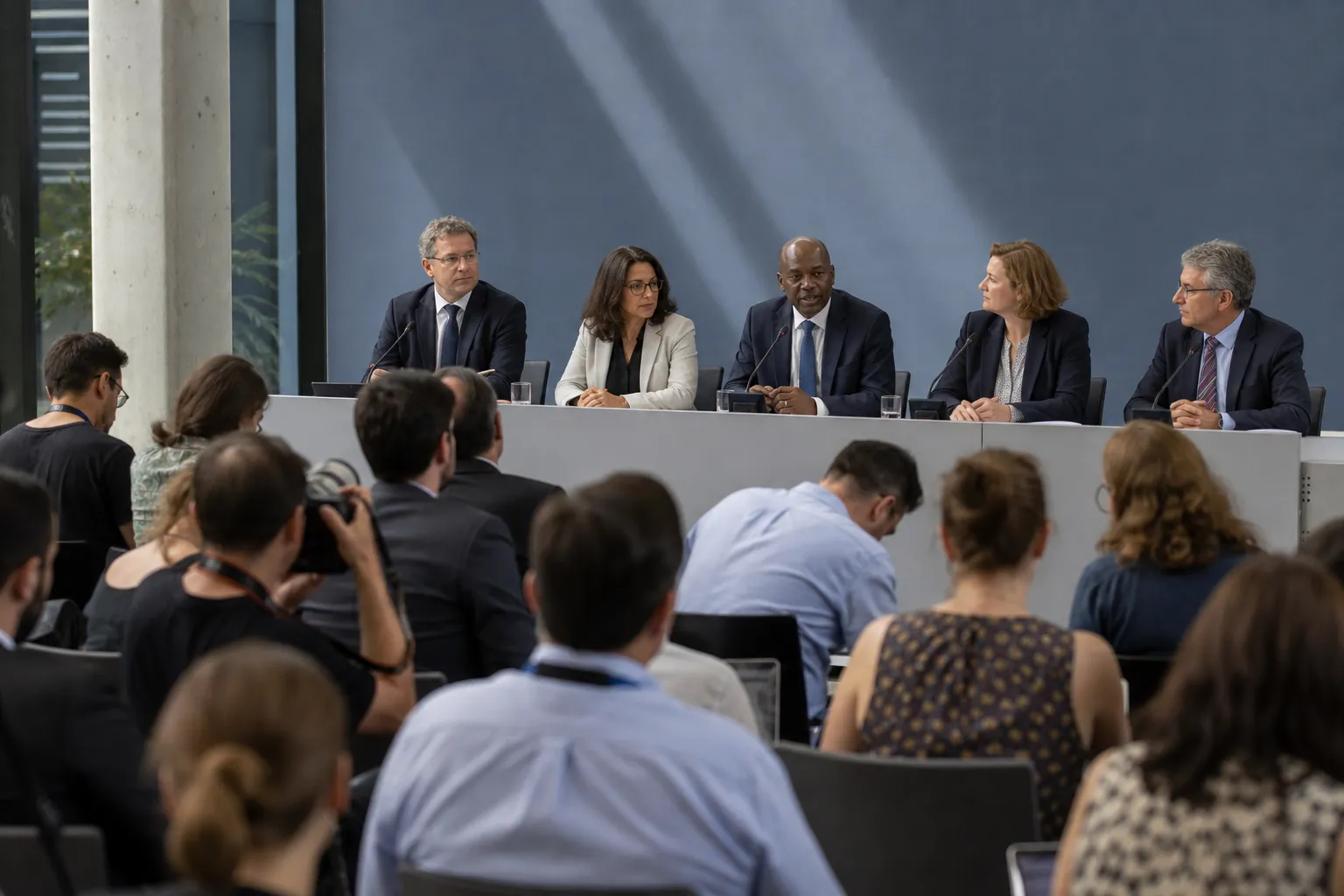
At UN climate talks in Bonn, Germany, disagreements have intensified within Climate Action Network International (CAN) over the role of scientific assessments by the Intergovernmental Panel on Climate Change (IPCC) in shaping global policy. Diplomats from the Friends of Science coalition said climate science is coming under attack in the negotiation process, while some civil society organizations emphasize concerns about the fairness of the models used by the IPCC.
As Climate Home News reports, Fiji's chief negotiator, Sivenedra Michael, criticized the ECO newsletter published by CAN International for failing to address claims of pressure on science. He said the organizations represent developing countries but do not represent Fiji's position.
Dispute over the IPCC report timetable
For more than two years, India, Saudi Arabia, China, Russia — an aggressor state — and Kenya have opposed a timetable under which the IPCC's Seventh Assessment Report (AR7) would be ready in time for the second global stocktake of climate action in 2028. These countries argue that an accelerated process would create an additional burden for states with limited resources and restrict their ability to provide scientific input to the process.
More current news is available on the UA.News Telegram channel Telegram.
The coalition, which includes representatives of Fiji, Nepal, the European Union, Switzerland, Sierra Leone and Panama, conversely insists that decisions within the UN climate process should be based on the best available scientific data, including IPCC assessments. At the Bonn talks, Saudi Arabia and India also downplayed the central role of IPCC reports in the global stocktake and objected to calls for scientific work on scenarios for limiting overshoot of the 1.5°C warming threshold.
Debate over the fairness of models
CAN International Executive Director Tasneem Essop took part in an online event where Indian scientist and negotiator Tejal Kanitkar said that IPCC emissions-reduction scenarios are largely based on assumptions by researchers from the Global North and may be unfair to the poorest countries. Essop stressed the need to take into account states' historical responsibility for climate change and their “fair share” of emissions reductions and climate finance.
Climate Analytics chief Bill Hare, who supports the Friends of Science campaign, acknowledged the limitations of some IPCC models, including insufficient consideration of high capital costs and transition financing in developing countries. At the same time, he said IPCC authors are working to identify and correct such biases, and the next generation of models is expected to better account for fairness issues. CAN International said it is discussing how to reconcile differing positions among the network's more than 2,000 members in 130 countries.




