
Tinubu administration calls US document case civil
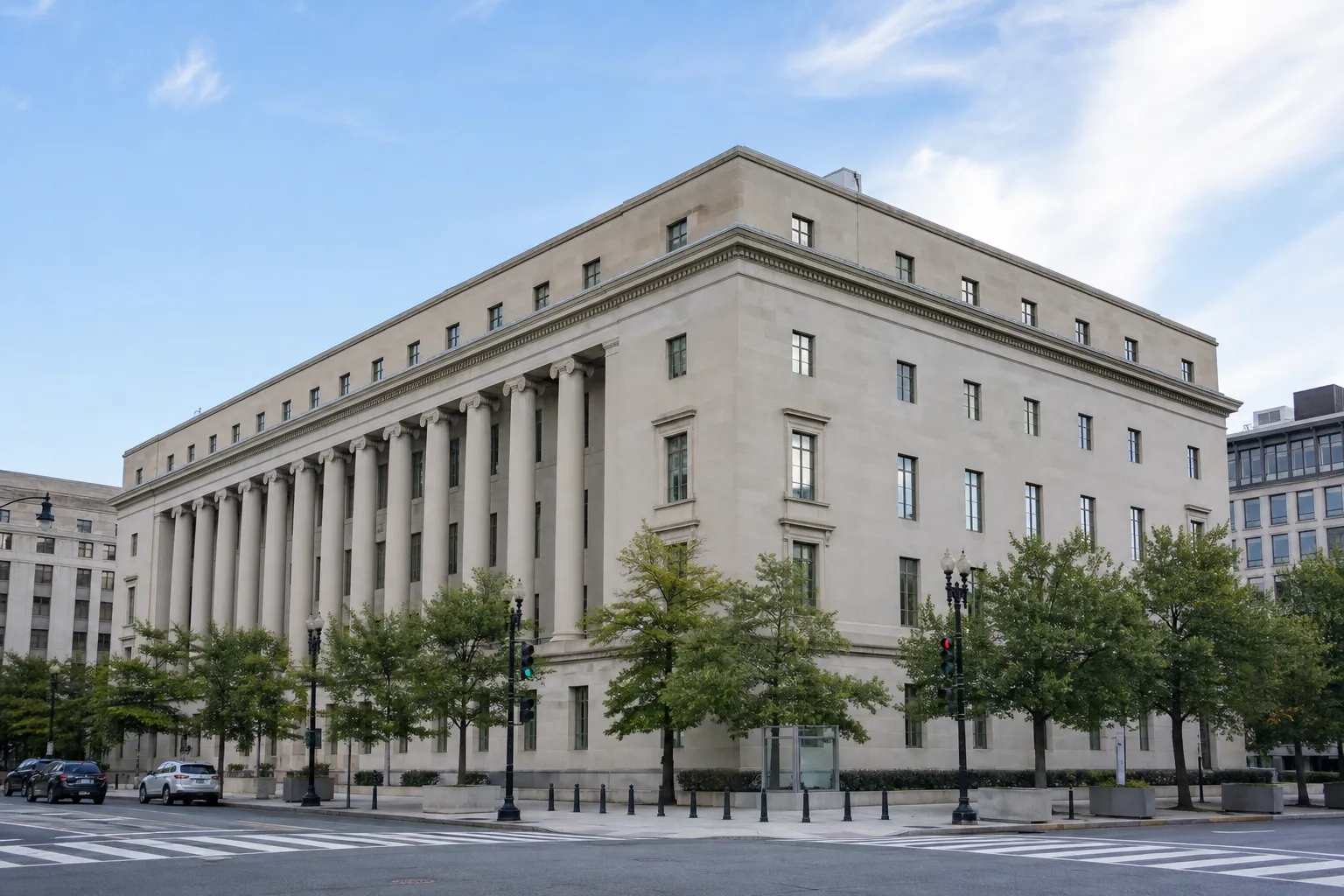
The administration of Nigerian President Bola Ahmed Tinubu said that proceedings in a US federal court over access to documents related to the president are a civil case under the US Freedom of Information Act (FOIA), rather than criminal proceedings. As Premium Times Nigeria reports, presidential spokesperson Bayo Onanuga also said that the court had not found Tinubu guilty of a criminal offense.
Lawsuit for access to records
According to the presidential administration, in 2022 Aaron Greenspan filed FOIA requests with several US government agencies seeking records related to Tinubu. After the agencies did not provide some of the materials or neither confirmed nor denied their existence, Greenspan initiated civil case No. 23-1816 in the US District Court for the District of Columbia in 2023.
The Tinubu administration said the court allowed the president to join the proceedings as an intervenor. It also said that a number of agencies invoked the so-called Glomar response, under which a law enforcement agency neither confirms nor denies the existence of an investigation.
According to the administration, after this response was invoked, the court ruled in favor of the CIA, the Executive Office for United States Attorneys, the State Department, the Treasury Department, and the Internal Revenue Service and dismissed them from the proceedings. Unresolved aspects of the lawsuit concerned the Federal Bureau of Investigation and the US Drug Enforcement Administration.
More current news is available on the UA.News Telegram channel Telegram.
Dispute over redacted sections
According to the presidential administration's statement, the FBI and the Drug Enforcement Administration provided 399 pages of documents, with some information redacted under statutory exemptions. The plaintiff challenged these redactions, while the agencies, through the US Department of Justice, opposed full disclosure of the materials.
The administration said the restrictions may concern grand jury materials, attorney-client privilege, private data, confidential sources, and law enforcement methods. According to the administration, Tinubu, on the advice of lawyers, also invoked a FOIA exemption protecting privacy.
The plaintiff has until September 11, 2026, to file objections and a response to the procedural documents of other participants. The FBI, the US Drug Enforcement Administration, and Tinubu must respond by September 18. The court must determine whether the redactions in the released documents were lawful.


