
Tallinn Airport signs €66.6 million terminal expansion contract — ERR News
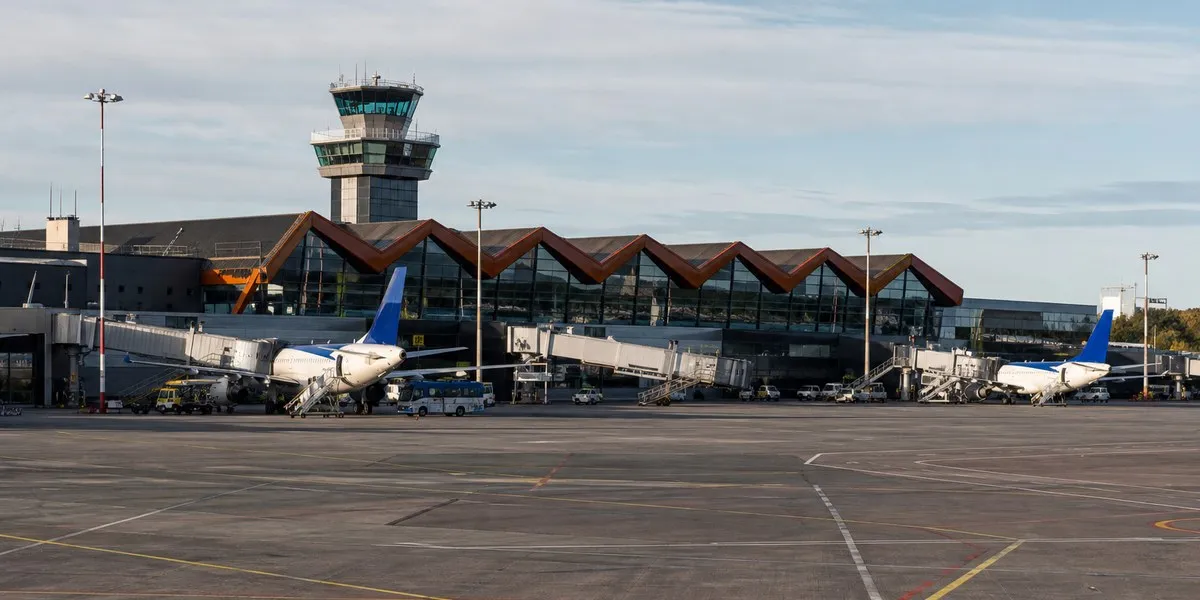
Tallinn Airport in Estonia has signed a contract with Tallinna Ehitustrust OÜ/Ehitustrust OÜ for the expansion of the passenger terminal worth nearly €66.6 million. ERR News reports this. The project is expected to increase the airport's capacity to 5 million passengers per year.
Construction will last 31 months and will take place without suspending passenger terminal operations or air traffic. Preparatory work is planned for autumn, while the main phase of work inside the terminal is scheduled to begin in early 2027. The full program is planned for 2025–2029.
New space and reconstruction
According to Kaido Somelar, chairman of the boards of Tallinna Ehitustrust OÜ/Ehitustrust OÜ, approximately 16,500 square meters of new space will be added to the passenger terminal. Another approximately 18,000 square meters of existing premises will be reconstructed.
The new part of the terminal will be built on the site of the current parking lot between the passenger terminal and the public transport terminal. It will include a baggage reclaim area, new baggage carousels, shops, restaurants and two boarding gates. The aircraft parking and servicing area next to the terminal will also be expanded to serve them.
More current news is available on the UA.News Telegram channel Telegram.
Planning for passenger traffic growth
Tallinn Airport CEO Riivo Tuvike said that certain parts of the terminal have already reached the limits of their capacity. The building was designed to handle 2.8 million passengers per year, while the airport is already serving nearly one million more passengers.
As part of the project, border control and boarding gate areas will also be expanded to improve the handling of flights outside the Schengen area and reduce queues during peak hours. Existing retail areas and food outlets will be reconstructed. Passengers were warned of temporary changes and possible inconvenience during construction.
The Estonian state has set the airport a target of providing at least 60 scheduled destinations and handling 5 million passengers annually by 2030. Last year, passenger traffic amounted to about 3.5 million people.




